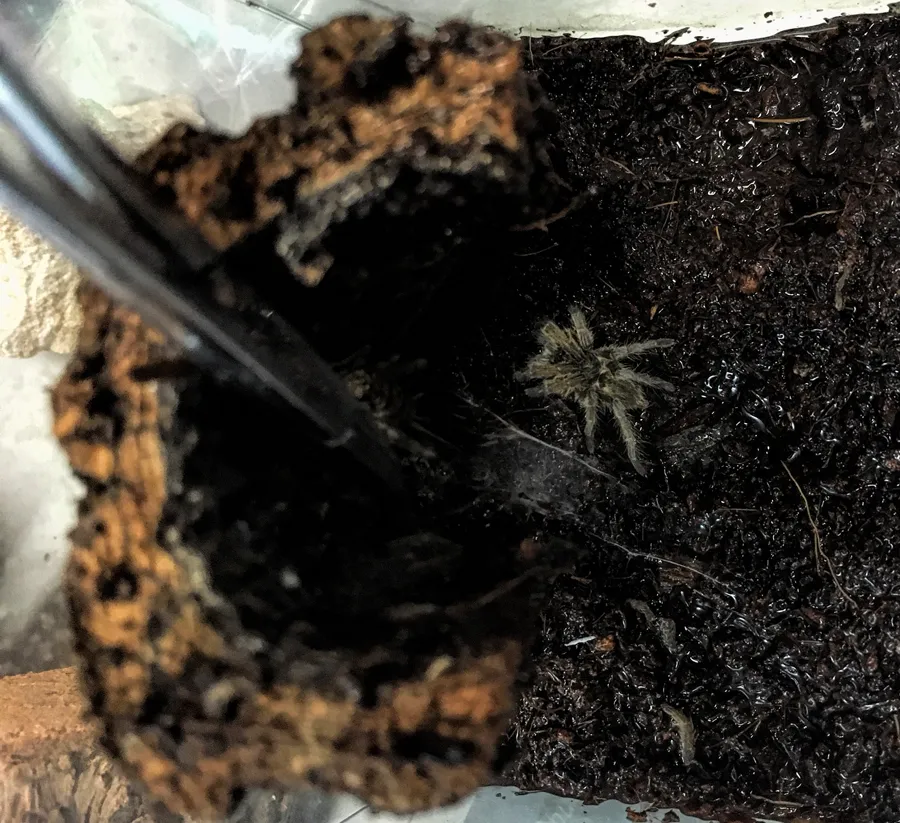
Understanding Tarantula Cage Heat Needs
Creating the perfect habitat for your tarantula involves understanding their specific needs, and one of the most critical aspects is maintaining the correct temperature. Tarantulas, being ectothermic creatures, rely on external heat sources to regulate their body temperature. Proper heating is not just about keeping your spider comfortable; it’s fundamental to their health, well-being, and longevity. This guide will walk you through the essentials of tarantula cage heat, helping you create an environment where your pet can thrive. We will delve into the importance of temperature, the equipment needed, and how to monitor and troubleshoot any issues that may arise. Achieving the correct thermal environment is critical for your tarantula.
Why Is Temperature Important for Tarantulas
Temperature plays a vital role in several aspects of a tarantula’s life. Maintaining the appropriate temperature range is essential for a healthy and active spider. It directly impacts their metabolism, digestion, and overall well-being. Incorrect temperatures can lead to various health problems, including lethargy, loss of appetite, and in severe cases, even death. Understanding the ‘why’ behind temperature regulation is the first step in providing optimal care for your pet tarantula. Ensuring proper heat within the cage is non-negotiable for the animal’s well-being.
Impact on Metabolism

Metabolism, the rate at which an organism processes nutrients and converts them into energy, is highly dependent on temperature in tarantulas. Warmer temperatures generally speed up metabolic processes, allowing tarantulas to digest food more efficiently and utilize nutrients effectively. This, in turn, supports growth, molting, and overall vitality. Conversely, cooler temperatures slow down metabolism, leading to slower growth rates, reduced activity levels, and a higher risk of health complications. Maintaining a suitable temperature range is critical to supporting a tarantula’s metabolic needs.
Role in Digestion
Digestion in tarantulas is also significantly influenced by temperature. Warmth aids in the breakdown of food, allowing the tarantula to extract necessary nutrients from its meals. When the temperature is too low, digestion slows down or may even cease altogether. This can lead to undigested food accumulating in the gut, potentially causing health issues. A properly heated enclosure ensures that the tarantula can effectively digest its food, stay healthy, and maintain a good appetite. A warm temperature is required for healthy digestion.
Factors Affecting Heating Requirements
The ideal temperature for a tarantula varies depending on several factors. Understanding these variables is essential for tailoring the heat setup to your specific pet’s needs. Consider the tarantula species, its enclosure size, and the ambient room temperature. Adjusting the heating plan depending on all these factors will help in maintaining optimal health for your tarantula.
Tarantula Species

Different tarantula species originate from various climates and have specific temperature preferences. Tropical species, for example, generally require warmer temperatures than those from more temperate regions. Researching the specific temperature requirements of your tarantula species is the first step to setting up an ideal habitat. Some species thrive in the high 80s Fahrenheit, while others may be comfortable in the low 70s. Identifying the exact species and the climate will help in providing proper heating to the spider.
Enclosure Size
The size of the enclosure also influences how heat is distributed and maintained. Larger enclosures may require more powerful heating systems to achieve and maintain the desired temperature gradient. Additionally, the enclosure material can impact heat retention. Glass and acrylic enclosures often retain heat better than those made of mesh or other materials. Consider the enclosure’s dimensions and materials when selecting and positioning your heating equipment. Ensuring that the heat is maintained throughout the enclosure will help in maintaining health.
Ambient Room Temperature
The ambient temperature of the room where the enclosure is located plays a significant role in heating requirements. If the room is naturally warm, you may need less supplemental heat than if it is consistently cool. Monitoring the ambient temperature and adjusting your heating setup accordingly is crucial. During colder months, you may need to increase the heating, and during warmer months, you may need to decrease it to prevent overheating. Consider room temperature while deciding on the heating setup.
Heating Equipment Options
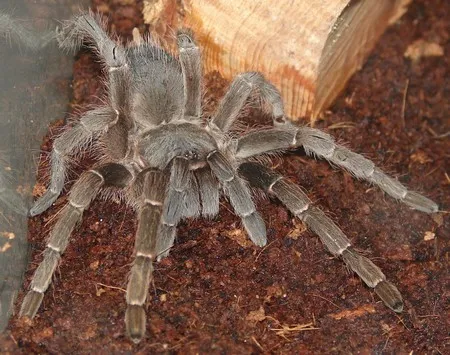
Several types of heating equipment are available for tarantula enclosures, each with its pros and cons. Choosing the right equipment depends on your budget, the size of the enclosure, and the specific needs of your tarantula species. Understanding the advantages and disadvantages of each option will help you make an informed decision. Make sure that whatever choice is made, that safety is a primary concern.
Heat Lamps and Bulbs
Heat lamps and bulbs are a common method for heating tarantula enclosures. These devices emit infrared light, which heats the enclosure. They are often easy to find and relatively inexpensive. However, careful consideration must be given to the type of bulb and its placement to prevent overheating or burns. These can also be used with a thermostat to automatically regulate the temperature.
Pros and Cons
Heat lamps and bulbs are readily available and can effectively heat larger enclosures. They are often easy to set up and use. The primary disadvantage is the potential for creating uneven heat distribution and the risk of burns if the tarantula comes into direct contact with the bulb. The bulbs also need to be carefully selected to emit the right type of heat without producing too much visible light, which can disrupt the tarantula’s natural day-night cycle. Some bulbs also have short lifespans, adding to the costs.
Placement and Safety

When using heat lamps, it’s essential to position them outside the enclosure or secure them with a protective cage to prevent the tarantula from touching the hot surface. Always use a thermostat to regulate the temperature and prevent overheating. Place the lamp at a safe distance above the enclosure to ensure even heat distribution. Regularly check the lamp and enclosure for any signs of damage or wear and tear, and replace bulbs as needed. Safety should always be the top priority with any heating source.
Heat Mats and Pads
Heat mats and pads are another popular choice for tarantula cage heat. These are flat, flexible heating elements that can be placed under or on the side of the enclosure. They provide a gentle, consistent heat source that is often preferred by tarantula keepers. These are usually more efficient in smaller enclosures. Always use a thermostat to properly regulate the temperature.
Pros and Cons
Heat mats offer several advantages, including even heat distribution and a lower risk of burns compared to heat lamps. They are also energy-efficient and can maintain a consistent temperature. A potential drawback is that they may not be suitable for larger enclosures. Additionally, the heat source is often concentrated in one area, which may not create the best thermal gradient. These are ideal for smaller enclosures.
Placement and Safety

When using heat mats, place them on the side or underneath the enclosure, but never directly inside. If placed underneath, ensure there is a layer of insulation to prevent overheating. Always use a thermostat to monitor and regulate the temperature. Avoid placing the heat mat under areas of the enclosure with excessive moisture, which can cause the mat to malfunction or damage the enclosure. Regular inspections of the mat and any connected wiring are also important.
Ceramic Heat Emitters
Ceramic heat emitters (CHEs) are a good option for providing consistent heat without emitting light. They are made of ceramic material and emit infrared heat, similar to the sun’s rays. This makes them ideal for nocturnal species that need a warm environment without the disruption of light during the day. However, they do get hot and must be used with caution.
Pros and Cons
CHEs provide consistent heat without disrupting the tarantula’s day-night cycle, which is a significant advantage. They are durable and can last for a long time. The main disadvantage is that they can get very hot and require a protective cage to prevent burns. They also need to be used with a thermostat to regulate the temperature accurately. The initial cost can be higher compared to other heating options.
Placement and Safety

When using CHEs, it’s crucial to place them outside the enclosure or inside a protective cage that prevents the tarantula from coming into contact with the hot surface. Always use a thermostat to monitor and control the temperature, preventing overheating. The CHE should be positioned to create a thermal gradient, with a warmer area for basking and a cooler area for the tarantula to retreat to. Regularly check the emitter and enclosure for any damage and maintain a safe environment.
Monitoring and Maintaining Heat
Effective temperature regulation requires regular monitoring and maintenance. This ensures that the tarantula’s environment remains within the optimal range. Use a thermometer to track temperature and make necessary adjustments to your heating equipment. These practices are essential to ensure the health and safety of your spider.
Using a Thermometer
A reliable thermometer is indispensable for monitoring the temperature inside the tarantula enclosure. Digital thermometers with probes are highly recommended, as they provide accurate readings. Place the thermometer probe at different points within the enclosure to monitor the temperature gradient. Regularly check the thermometer readings, especially during the initial setup and when adjusting your heating equipment. Make sure that you are using the thermometer properly to gather accurate measurements.
Optimal Temperature Ranges

The optimal temperature range for most tarantulas is typically between 75°F and 85°F (24°C to 29°C). However, the ideal temperature can vary depending on the species. Research the specific temperature needs of your tarantula and adjust the heat source accordingly. Generally, a slight temperature gradient within the enclosure is beneficial, with a warmer area for basking and a cooler area for retreat. This allows the tarantula to self-regulate its body temperature as needed. Ensuring that the enclosure stays within these ranges will allow for healthy living.
Creating a Temperature Gradient
Creating a temperature gradient is important for a tarantula’s well-being, which provides the tarantula with areas of varying temperatures. This allows the tarantula to move to a warmer or cooler spot as needed to regulate its body temperature. To create a gradient, position your heat source at one end of the enclosure and allow the temperature to gradually decrease towards the other end. This can be achieved using a heat lamp positioned on one side or a heat mat covering only a portion of the enclosure floor. By utilizing this temperature gradient, the tarantula is given the choice to adjust its position, which promotes a healthy lifestyle.
Humidity Control and Its Relationship to Heat
Humidity is another critical factor in tarantula care, and it’s often intertwined with temperature. Maintaining the correct humidity levels is essential for molting, preventing dehydration, and overall well-being. The ideal humidity level will vary based on the species of tarantula, and maintaining that level can be difficult with the wrong temperature. Understanding the relationship between heat and humidity is crucial for creating a balanced environment.
Impact of Humidity Levels
Humidity plays a significant role in a tarantula’s molting process. During molting, tarantulas shed their exoskeletons, and the correct humidity level helps them do so smoothly. Low humidity can lead to molting problems, such as the exoskeleton drying out and becoming difficult to shed. High humidity can also be problematic, potentially leading to fungal growth. Maintaining the correct humidity is essential for the tarantula’s health. Ensure that the levels are correct to help provide the tarantula with a good quality of life.
Methods for Maintaining Humidity
Several methods can be used to maintain humidity in a tarantula enclosure. These include using a water dish, misting the enclosure regularly, and providing a substrate that retains moisture. The specific methods you choose will depend on your tarantula’s species and the environmental conditions. Monitor the humidity levels using a hygrometer and adjust your methods as needed. Keeping a stable humidity level is vital for a tarantula’s overall health. Remember to also consider ventilation to prevent the buildup of too much humidity.
Troubleshooting Heat-Related Issues
Even with careful planning, problems can sometimes arise with your heating setup. Knowing how to identify and address these issues is important for ensuring the safety and well-being of your tarantula. This includes being able to address the issues of overheating or underheating.
Overheating Signs and Solutions
Overheating can be detrimental to a tarantula’s health. Signs of overheating include lethargy, loss of appetite, and the tarantula staying away from the heat source. If you suspect overheating, immediately turn off the heat source and move the tarantula to a cooler area of the enclosure. Increase ventilation by opening the enclosure slightly or providing additional air circulation. Mist the enclosure lightly to help cool it down. Adjust the thermostat or reduce the wattage of the heat source to prevent future overheating. Addressing any overheating issue quickly is vital.
Underheating Signs and Solutions
Underheating can also be a problem. Signs of underheating include slow movement, decreased appetite, and a lack of activity. If you notice these signs, check the temperature readings. If the enclosure is too cool, increase the heat output by adjusting the thermostat, using a higher wattage heat source, or adding supplemental heating. Ensure that the heat source is working correctly and positioned properly to maintain the desired temperature. Keep an eye out for any signs of underheating and ensure that the tarantula is healthy.
Conclusion
Providing the proper heat setup for your tarantula is a crucial part of responsible pet ownership. By understanding your tarantula’s needs, selecting the right equipment, and monitoring the environment, you can create a healthy and thriving habitat. Always research the specific requirements of your tarantula species, and never hesitate to consult with experienced keepers or veterinarians if you have any questions or concerns. The extra care will ensure that your spider lives a long and fulfilling life.