Setting up the perfect tarantula cage is crucial for the health and happiness of your eight-legged friend. A well-designed enclosure provides a secure and comfortable environment, mimicking the tarantula’s natural habitat. This comprehensive guide will walk you through every step, from selecting the right cage to maintaining it, ensuring your tarantula thrives. Proper tarantula cage setup isn’t just about providing a space; it’s about creating a micro-environment that caters to the specific needs of your tarantula, impacting everything from its molting cycle to its overall lifespan. Getting it right from the start sets the foundation for a rewarding experience in tarantula ownership, giving you peace of mind that you are providing the best possible care.
Choosing the Right Tarantula Cage
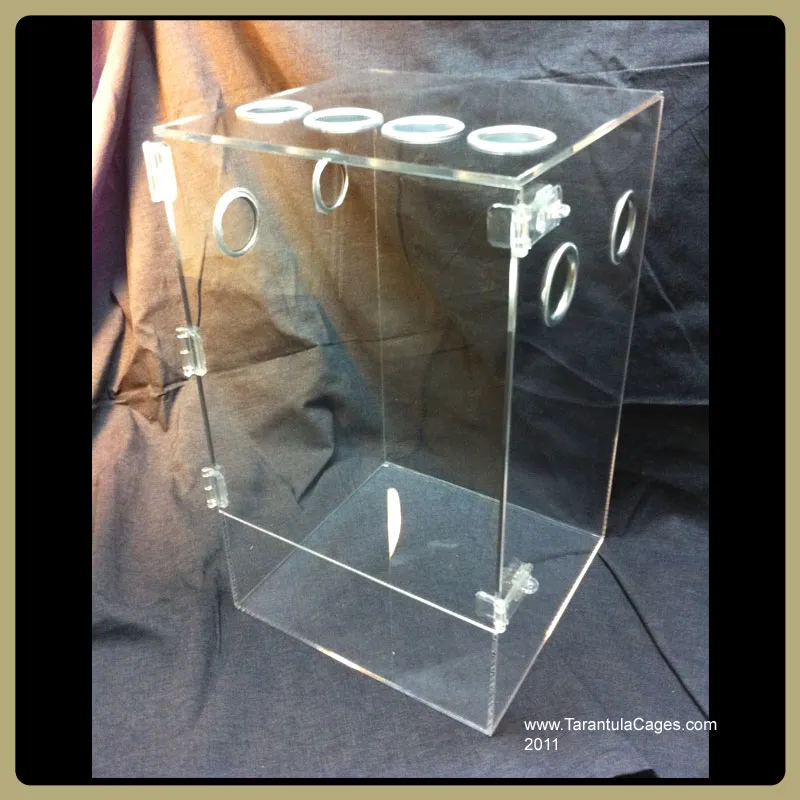
Selecting the ideal tarantula cage is the first and most critical step. The right enclosure provides adequate space, ventilation, and security for your tarantula. There are several factors to consider, including the size of your tarantula, its natural habitat, and your personal preferences. Avoid cages with sticky surfaces, as this could cause issues when the tarantula tries to shed its skin. The material of the cage, whether glass, plastic, or acrylic, will also impact things such as heat retention and ease of maintenance. Ultimately, the goal is to create a safe and functional home that allows your tarantula to thrive. Choosing the appropriate tarantula cage from the outset is an investment in your pet’s well-being and your long-term enjoyment of tarantula ownership.
Size Matters for Tarantula Cages
Tarantula Size and Cage Requirements

The size of your tarantula dictates the size of the cage. A juvenile tarantula requires a smaller enclosure, while a fully grown adult needs significantly more space. Generally, the width of the cage should be at least twice the tarantula’s leg span. The height of the cage is particularly important for arboreal species (those that live in trees), allowing them to climb and feel secure. The correct cage size promotes healthy behavior and prevents stress. Improper housing can lead to a variety of issues, including difficulty molting, and it can impact feeding habits, and overall well-being. Assessing your tarantula’s size and choosing a cage that gives them room to grow is a key aspect of proper care. Consider a growth plan when purchasing, as you may need to upsize the enclosure as the tarantula matures.
Consider Adult Size
When selecting a cage for a juvenile tarantula, it’s essential to consider its adult size. Research the species you have and find out the average leg span. This information will help you determine the appropriate size for the adult enclosure and plan accordingly. Anticipating the eventual size saves you the expense and hassle of frequently upgrading the cage. A general rule of thumb is to provide an enclosure that is at least three times the tarantula’s leg span in width. This ensures enough room for movement, burrowing (for terrestrial species), and overall comfort. Purchasing a cage that can accommodate the adult tarantula minimizes stress during the transition and ensures long-term suitability.
Ventilation is Key for Tarantula Cages
Proper ventilation is crucial for maintaining a healthy environment within the tarantula cage. Poor ventilation can lead to a buildup of humidity, promoting mold and bacterial growth, and potentially harming your tarantula. Good airflow prevents these problems and ensures the air remains fresh. Consider the natural environment of your tarantula’s species when assessing ventilation requirements. Desert species require more ventilation compared to those from humid environments. Effective ventilation helps regulate humidity levels and prevent respiratory issues, making the setup important for the overall well-being of your tarantula. Regularly inspect the cage to ensure ventilation holes are not blocked by substrate or decorations.
Why Ventilation is Important

Ventilation is not just about fresh air, it’s about controlling humidity and preventing the growth of harmful pathogens. High humidity can lead to mold and fungal growth, which can be detrimental to your tarantula’s health. Conversely, too much ventilation can dry out the enclosure, causing issues with molting. Proper ventilation ensures the enclosure maintains the correct humidity levels. This is especially critical during the molting process. The ability to breathe easily is also affected, so a good flow of air is important for any tarantula. Therefore, providing appropriate ventilation is vital for maintaining a clean, healthy environment, and promoting the tarantula’s well-being.
Types of Ventilation
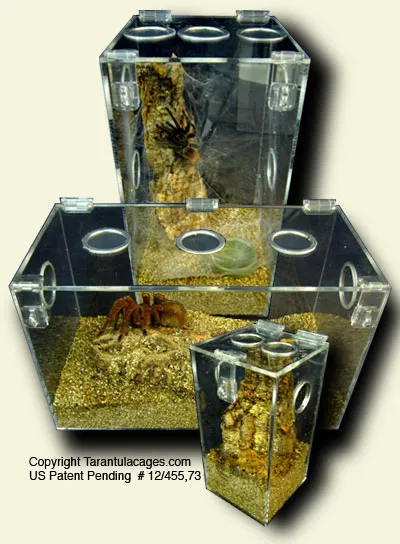
Ventilation can be achieved through various methods. Cross-ventilation, with holes on opposite sides of the cage, is ideal. Top ventilation, with holes on the lid, is another common option, although it can be less effective in some cases. Ensure the ventilation holes are small enough to prevent the tarantula from escaping. Some cages have mesh tops, providing excellent ventilation, but make sure the mesh is fine enough that the tarantula’s legs cannot get caught. The best type of ventilation will also depend on the species and its specific environmental needs. Monitoring the humidity levels with a hygrometer is crucial to make sure the ventilation is adequate.
Substrate Selection
The substrate, or bedding, is the base of the tarantula’s habitat, providing a comfortable surface and helping to maintain humidity. The right substrate is essential for the tarantula’s well-being, allowing it to burrow, hide, and regulate its moisture levels. The type of substrate you choose will depend on the species of tarantula and its natural habitat. Consider the substrate’s ability to retain moisture, its ease of maintenance, and its suitability for burrowing. A well-chosen substrate enhances the enclosure and helps create a thriving environment. A poorly chosen substrate can cause a multitude of issues from poor health to inability to thrive. Research the species and decide which substrate best suits its needs.
Substrate Types for Tarantula Cages

Several substrate options are available, each with its pros and cons. Coconut fiber (eco-earth) is a popular choice, as it retains moisture well, is readily available, and is a good choice for many tropical species. Sphagnum moss is also a good option for maintaining humidity but is more suited to certain species and might not be suitable on its own. Peat moss is another choice, providing excellent moisture retention but can be acidic. Avoid substrates like cedar or pine shavings, as these can be toxic to tarantulas. A mixture of substrate types can also be used to achieve optimal conditions. The key is to choose a substrate that mimics the tarantula’s natural environment.
Moisture Levels and Substrate
Maintaining the correct moisture levels is vital for your tarantula’s health, and the substrate plays a key role in this. Terrestrial species generally need a substrate that is slightly moist, while arboreal species may need a drier environment. The substrate should be misted regularly to maintain the appropriate humidity. Avoid over-misting, as this can lead to mold growth. Monitor the humidity levels using a hygrometer to ensure they are within the correct range. The substrate’s ability to retain moisture directly impacts the humidity levels in the enclosure. Check the substrate periodically for dryness and mold, adjusting your care routine to maintain a healthy and thriving environment.
Essential Cage Accessories
In addition to the cage and substrate, certain accessories are essential for creating a stimulating and functional habitat for your tarantula. These accessories provide enrichment, security, and facilitate essential behaviors. The inclusion of these items promotes the overall well-being of your tarantula, encouraging natural behaviors and reducing stress. Selecting the right accessories improves the quality of life for your tarantula by giving a more realistic experience and enhancing its natural behaviors.
Water Dish Essentials

A water dish is essential for providing your tarantula with a source of fresh water. Choose a shallow dish to prevent drowning. The dish should be easily accessible and placed in a location where the tarantula can find it. Change the water regularly to prevent bacterial growth and keep it clean. Some tarantula keepers use water gel or water crystals, which can help maintain humidity while reducing the risk of drowning. Ensure the water source is always available, particularly during molting and dry periods. Proper hydration is crucial for your tarantula’s health and overall well-being.
Hides and Decorations
Hides and decorations provide enrichment and security. Hides, such as cork bark or half logs, allow the tarantula to retreat and feel safe. Provide at least one hide, or multiple ones, based on the size of the cage. Decorations can include fake plants, branches, or rocks, adding visual interest and simulating the tarantula’s natural environment. Avoid anything that can tip over or collapse, potentially injuring the tarantula. Make sure decorations are secure and free from any sharp edges. The appropriate amount of hiding places and a stimulating environment helps your tarantula display its natural behaviors and lessens the chance of stress.
Heating and Lighting for Tarantula Cages
While tarantulas don’t require specialized heating or lighting, maintaining the appropriate temperature and providing a regular day-night cycle is important. The specific requirements will vary depending on the species. Avoid direct sunlight, which can overheat the enclosure. The correct temperature range encourages natural behaviors and supports the tarantula’s metabolic processes. Proper temperature management is key to keeping your tarantula healthy and happy. Understanding the ideal conditions for your tarantula’s species enables you to create the perfect living conditions, which in turn impacts its overall health.
Temperature Considerations

Most tarantulas thrive in temperatures between 70-80°F (21-27°C). Use a thermometer to monitor the temperature inside the cage. If needed, you can use a heat mat placed on the side of the enclosure. Avoid placing the heat mat directly under the cage, as this can cause the substrate to dry out and harm the tarantula. Ensure the heat source does not overheat the enclosure. Spot-check the enclosure on a regular basis to make sure the temperature is constant and within the parameters needed for your tarantula. Some keepers use a thermostat to regulate the heat source. The correct temperature range influences the tarantula’s activity levels, feeding habits, and molting process.
Lighting Needs
Tarantulas do not require special lighting, but a regular day-night cycle is beneficial. Provide natural lighting from a window or use a low-wattage light bulb. Avoid placing the enclosure in direct sunlight. Ensure the light does not create excessive heat. Most tarantulas are nocturnal and do not need bright lights. If using artificial light, provide a 12-hour day-night cycle. The lack of proper lighting can make your tarantula stressed. If you are using a UVB light, make sure to have it at a safe distance away from your tarantula.
Maintenance and Cleaning of Tarantula Cages
Regular maintenance and cleaning are crucial for maintaining a healthy environment for your tarantula. A clean enclosure prevents the buildup of bacteria, mold, and other harmful substances. This includes regular cleaning and proper substrate replacement. Following a consistent cleaning schedule ensures the well-being of your tarantula. A well-maintained cage contributes to a happy and long-lived tarantula. Establishing a routine makes maintaining a healthy environment easier.
Regular Cleaning Schedule
Establish a regular cleaning schedule to keep the enclosure in top condition. Spot-clean the cage weekly by removing any uneaten food, dead insects, or other debris. Clean the water dish and replace the water every few days. A complete cleaning of the enclosure should be done every few months, depending on the type of tarantula and the substrate used. During complete cleanings, remove all substrate and decorations, wash the cage with mild soap and water, and replace the substrate with fresh material. Always wear gloves when handling the tarantula’s enclosure and wash your hands thoroughly afterward. Cleaning the cage on a regular basis keeps the environment clean and safe for the tarantula. Ensure all cleaning products are non-toxic and safe for the tarantula.
Substrate Replacement
The frequency of substrate replacement depends on the substrate type and the species of tarantula. Replace the substrate completely every 6-12 months for most species. If the substrate becomes excessively dirty or starts to mold, replace it sooner. When replacing the substrate, remove the tarantula and place it in a temporary container. Dispose of the old substrate and thoroughly clean the enclosure. Add fresh substrate and reintroduce the tarantula. Keep an eye on the substrate for signs of degradation or mold. A clean substrate is critical for the tarantula’s health and well-being.
Troubleshooting Common Cage Issues
Even with the best care, you may encounter some issues. Learn how to identify and address common problems. The information provided is intended as a starting point and is not a substitute for consulting a veterinarian or experienced tarantula keeper. Being proactive in addressing any issues will keep your tarantula happy and healthy. Having some of the basic knowledge will enable you to quickly respond and help your tarantula. Understanding how to avoid common pitfalls is a crucial component of successful tarantula ownership.
By following this ultimate guide, you’ll create a tarantula cage that promotes the health and happiness of your pet. A well-designed enclosure is the foundation for a rewarding experience in tarantula ownership. With the correct tarantula cage setup, you will enjoy the beauty and unique characteristics of these fascinating creatures for years to come. Consistent care and a proactive approach to addressing any issues will ensure your tarantula thrives. Enjoy the amazing world of tarantulas and continue to learn and adapt your care as your tarantula grows.