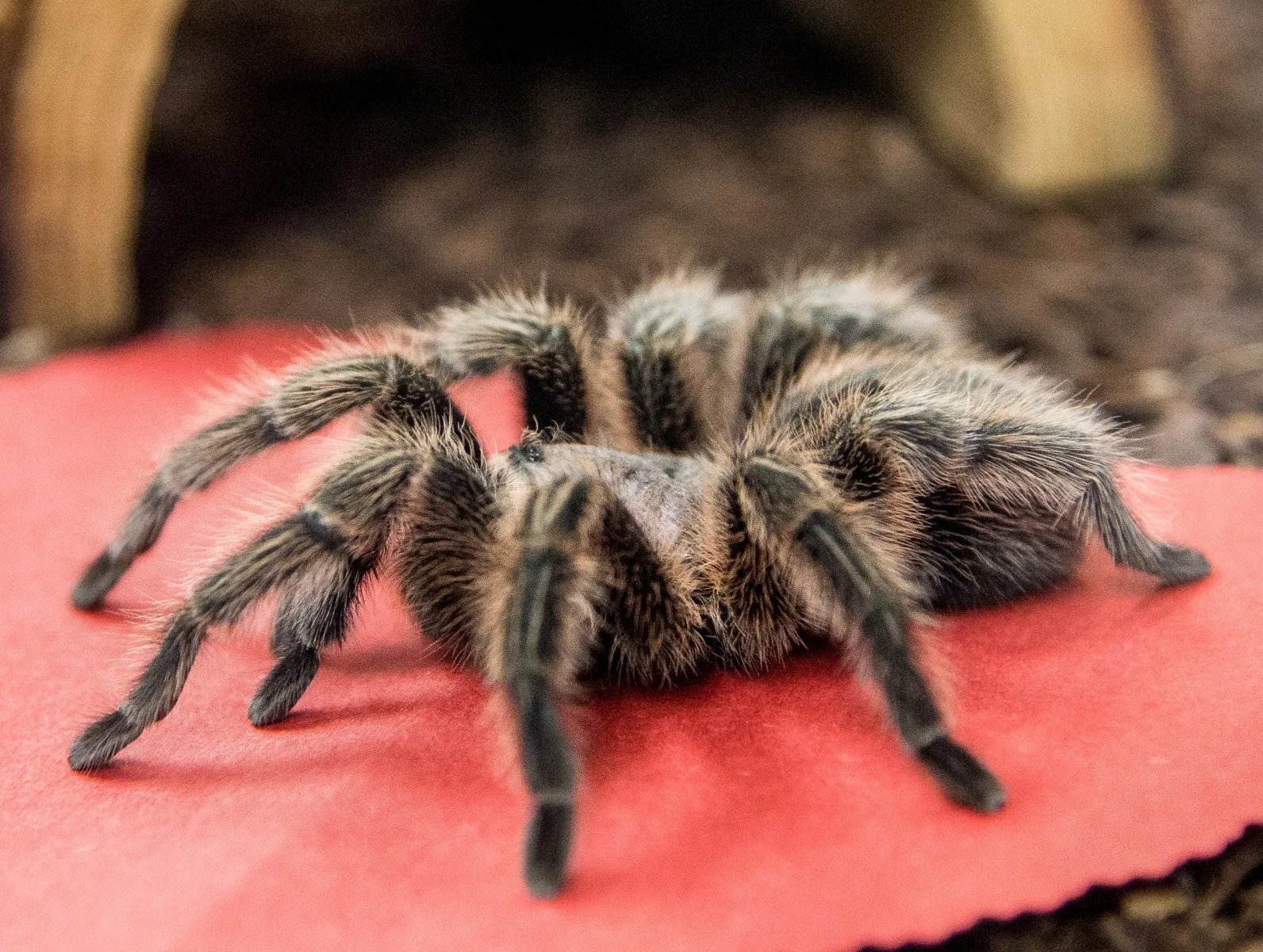
Understanding Tarantulas
Tarantulas, with their imposing size and fascinating behavior, have captured the attention of pet enthusiasts and nature lovers alike. These impressive arachnids, belonging to the Theraphosidae family, are known for their hairy bodies, eight legs, and generally docile nature. Contrary to popular belief, many tarantula species are relatively easy to care for, making them a rewarding choice for those seeking a unique and low-maintenance pet. However, understanding their specific needs is crucial to ensure their well-being and longevity. This guide provides a comprehensive overview of tarantula care, from setting up their habitat to understanding their behavior and addressing common health concerns. By following these tips, you can provide a safe and enriching environment for your tarantula, allowing you to enjoy the fascinating world of these amazing creatures. So, let’s delve into the exciting world of tarantula care and uncover the secrets to keeping these captivating spiders happy and healthy.
What is a Tarantula
A tarantula is a large, hairy spider belonging to the Theraphosidae family. They are found in various habitats around the world, primarily in tropical and subtropical regions. Tarantulas are known for their size, with some species having a leg span of over 10 inches. They are generally nocturnal hunters, feeding on insects, and occasionally small vertebrates. Tarantulas have fangs that they use to inject venom to paralyze their prey, and they also possess urticating hairs on their abdomen, which they can flick at potential predators as a defense mechanism. These fascinating creatures have a relatively long lifespan, with females often living for several decades. The term ’tarantula’ often conjures images of danger, but in reality, most species are relatively docile and pose little threat to humans. Their unique appearance and interesting behaviors make them popular choices for pet owners who are looking for something different and exciting. Understanding the basic biology of a tarantula is key to properly caring for them.
Common Tarantula Species

There are hundreds of tarantula species, each with unique characteristics and care requirements. Some of the most popular species for beginners include the Chilean Rose Hair tarantula (Grammostola rosea), known for its docile temperament and relatively easy care, and the Mexican Red Knee tarantula (Brachypelma hamorii), prized for its striking coloration and moderate care needs. The Pinktoe tarantula (Avicularia avicularia) is a arboreal species, which means they live in trees and require a different type of habitat than terrestrial tarantulas. Other common species include the Costa Rican Zebra tarantula (Aphonopelma seemanni) and the Brazilian Black tarantula (Grammostola pulchra). Each species varies in size, color, temperament, and habitat preferences. When choosing a tarantula, research the specific needs of the species to ensure you can provide the appropriate environment and care. Consider factors such as their temperament, size, and preferred habitat before making a decision. This will help you ensure a good match between you and your new pet.
Tarantula Behavior
Understanding tarantula behavior is crucial for providing proper care and ensuring their well-being. Tarantulas are generally solitary creatures, and they spend most of their time in their burrows or hiding places. They are ambush predators, meaning they wait for prey to come within striking distance. Their behavior can vary depending on the species, age, and environmental conditions. Some tarantulas are more docile than others, while others may be more defensive. When threatened, tarantulas may raise their front legs, display their fangs, or flick urticating hairs. It’s important to handle tarantulas with care, observing their body language and avoiding any actions that might provoke a defensive response. A stressed tarantula will often retreat to its burrow. Observe your tarantula’s behavior regularly to identify any signs of illness or discomfort. Knowing your tarantula’s typical behavior will help you understand when something is wrong and respond appropriately.
Setting Up a Tarantula Habitat
Creating the right habitat is essential for your tarantula’s health and happiness. The enclosure should be large enough for the tarantula to move around comfortably, with appropriate substrate, temperature, and humidity. The enclosure should also be escape-proof, as tarantulas are capable of climbing and can squeeze through small openings. The type of enclosure you choose will depend on the species and size of your tarantula. Terrestrial tarantulas, for example, thrive in horizontal enclosures, while arboreal species require vertical enclosures. Providing a safe and comfortable habitat is the foundation of good tarantula care, allowing them to exhibit their natural behaviors. Proper habitat setup is the best way to help your tarantula feel secure and thrive.
Choosing the Right Enclosure

The enclosure should be appropriate for the tarantula’s size and species. For terrestrial tarantulas, a glass or plastic terrarium with a secure lid is ideal. The enclosure should be at least three times the tarantula’s leg span in width and length. Arboreal species require taller enclosures with vertical space for climbing. Make sure the enclosure has adequate ventilation to prevent the buildup of moisture and mold. The lid should be secure to prevent escapes, and the enclosure should be placed in a location away from direct sunlight and drafts. Choose a material that is easy to clean and maintain, as well as allows for easy viewing. The enclosure should also be easy to decorate with appropriate hides and climbing structures, depending on the species. Avoid using any toxic materials or chemicals that could harm your tarantula. By selecting the correct type of enclosure, you are giving your tarantula the best chance for a long and healthy life.
Substrate Selection Guide
The substrate is the bedding material that covers the bottom of the enclosure. It provides a comfortable surface for the tarantula to walk on, burrow in, and helps maintain humidity. The best substrate choices include peat moss, coconut fiber, and a mix of vermiculite and potting soil. Avoid using sand, gravel, or wood shavings, as these materials can be harmful. The substrate should be deep enough for the tarantula to burrow, typically 2-6 inches depending on the species and size of your tarantula. Keep the substrate slightly damp to maintain the appropriate humidity level. Regularly spot clean the substrate to remove any waste or uneaten food. Replace the substrate entirely every few months or as needed, depending on the species and the amount of waste produced. The right substrate is crucial for maintaining a healthy and comfortable environment for your tarantula. Always ensure the substrate is free of any pesticides or chemicals that could be harmful.
Temperature and Humidity Control
Temperature and humidity are crucial factors in tarantula care. Most species thrive in temperatures between 75-85°F (24-29°C). Use a heat lamp or a heat mat to maintain the desired temperature, but avoid placing the heat source directly inside the enclosure, as this could harm the tarantula. The humidity level should vary depending on the species. Tropical species require higher humidity levels, while desert species prefer drier conditions. Use a hygrometer to monitor the humidity level and mist the enclosure with water as needed to increase humidity. Providing a shallow water dish is also a good idea. Ventilation is also essential, to prevent the buildup of excess moisture and mold growth. Regulate temperature and humidity to mimic the tarantula’s natural habitat, ensuring they stay comfortable. Careful monitoring and adjustment of these environmental conditions are key to keeping your tarantula healthy and thriving. Regular checks and adjustments will ensure that your tarantula is living in optimal conditions.
Feeding Your Tarantula

Feeding your tarantula properly is vital for its health and well-being. Tarantulas are carnivores, meaning they eat insects and, occasionally, small vertebrates. The type of food and the frequency of feeding vary depending on the species, age, and size of your tarantula. It’s important to provide a varied diet to ensure your tarantula receives all the necessary nutrients. Providing the right food and adhering to a suitable feeding schedule will contribute to a healthy and content pet tarantula. Feeding time can be a fun aspect of caring for your tarantula, allowing you to observe its hunting behavior. The type of food you choose, its size, and the amount provided must be carefully considered.
What to Feed Tarantulas
The primary food source for tarantulas is insects. Crickets, mealworms, dubia roaches, and locusts are all common and suitable food choices. The size of the prey should be appropriate for the tarantula’s size. Generally, the prey should be no larger than the tarantula’s abdomen. It is important to gut-load the insects before feeding them to your tarantula, this means feeding the insects nutritious foods like vegetables and fruits. This will ensure that your tarantula receives all the necessary nutrients. You can also occasionally offer small vertebrates, such as pinkie mice, to larger tarantula species, but this should be done sparingly. Always remove any uneaten prey within 24 hours to prevent them from stressing your tarantula or potentially harming it. Clean, nutritious food is essential for the health and longevity of your tarantula.
Feeding Frequency and Amount
The frequency of feeding depends on the tarantula’s age and growth rate. Spiderlings, or young tarantulas, should be fed more frequently than adults, often every other day or every day. Adults can be fed once or twice a week. Observe your tarantula’s abdomen; a well-fed tarantula will have a rounded abdomen, while a hungry one will have a noticeably smaller abdomen. Overfeeding can lead to health problems, such as obesity and a shortened lifespan. Adjust the amount of food based on your tarantula’s appetite and the size of the prey. Avoid overfeeding, and always remove any uneaten food. Careful observation and an understanding of your tarantula’s specific needs are key to creating an appropriate feeding schedule. Adjust the feeding schedule based on the tarantula’s molting cycle, as they usually stop eating before molting. Monitoring your tarantula’s weight is a good indicator of whether it is being fed correctly.
Watering Your Tarantula

Providing fresh water is essential for your tarantula’s survival. Use a shallow water dish, such as a bottle cap, to provide a constant source of water. Make sure the water dish is shallow enough to prevent the tarantula from drowning, especially for younger specimens. Regularly clean the water dish and replace the water to prevent contamination. In addition to the water dish, you can also mist the enclosure with water, especially for species that require higher humidity. This helps maintain the correct humidity levels and provides another source of hydration. Ensure the water is clean and free of any chemicals. Always check the water dish daily and refill as necessary. Clean water is vital for your tarantula’s health and vitality, supporting its overall well-being and promoting healthy molting.
Tarantula Health and Hygiene
Maintaining good hygiene and recognizing signs of illness are crucial for your tarantula’s health. Provide a clean and sanitary environment to minimize the risk of infection. Regularly clean the enclosure and remove any waste or uneaten food. Watch for any changes in your tarantula’s behavior, such as loss of appetite, lethargy, or unusual postures. Early detection of health issues can improve the chances of a successful recovery. Consult with a veterinarian experienced in exotic pets if you notice any signs of illness. Preventative care, proper hygiene, and swift responses to any potential health problems are essential aspects of caring for your tarantula. Good health practices will help ensure your tarantula lives a long and happy life. Keep your tarantula’s living space clean and comfortable.
Recognizing Signs of Illness
It’s important to be able to identify signs of illness in your tarantula. Some common signs include lethargy, loss of appetite, unusual posture, difficulty moving, and discoloration of the abdomen. If your tarantula refuses to eat for an extended period, or displays any other concerning symptoms, it is important to investigate the cause. Also, look out for any discharge from the mouth or other body parts, which could indicate an infection. Always check the molting process and observe if your tarantula is having difficulty molting. If you notice any of these signs, consult with a veterinarian experienced in exotic pets immediately. Early intervention can often improve the outcome of any health issues. Being observant and acting promptly can help ensure your tarantula recovers quickly and remains healthy.
Molting and What to Expect

Molting is a natural process where tarantulas shed their exoskeleton to grow. The frequency of molting decreases as the tarantula ages. Before molting, the tarantula will typically stop eating and may become more reclusive. The tarantula will often lie on its back during the molting process, which can be stressful to witness, but is normal. Once the molt is complete, the tarantula will be soft and vulnerable, and it will take some time for the exoskeleton to harden. Avoid handling your tarantula during this period. After molting, the tarantula’s colors often appear brighter. Do not feed your tarantula for a few days after it molts, until its fangs have hardened. Understanding the molting process and providing a stress-free environment will help ensure a successful molt. The molting process is an important aspect of tarantula growth and development, so it’s crucial to understand what to expect and how to help your tarantula during this period.
Handling and Safety
While many tarantula species are docile, handling them should be done with caution. Avoid handling your tarantula unnecessarily, as it can be stressful for the animal. If you do need to handle your tarantula, do so slowly and gently. Always wash your hands before and after handling to prevent the spread of bacteria. Be aware of the tarantula’s behavior. If it appears agitated or defensive, it’s best to leave it alone. Tarantulas can bite if they feel threatened, and while the bite is not typically life-threatening to humans, it can be painful. Also be aware of the urticating hairs, which can cause skin irritation if they come into contact with your skin. Keep children and pets away from the tarantula. Always supervise any interactions with the tarantula. Taking proper precautions and treating your tarantula with respect is essential to your safety and your tarantula’s well-being.
Common Tarantula Myths
There are many myths surrounding tarantulas, so it’s important to separate fact from fiction. Debunking these myths can help people to develop a better understanding of these fascinating creatures. Myths can create unnecessary fear or lead to incorrect care practices, so accurate information is key. By understanding the truth about tarantulas, we can appreciate them for what they are: unique and interesting pets.
Debunking Myths

One common myth is that all tarantulas are aggressive and dangerous. In reality, many species are docile and prefer to avoid conflict. Another myth is that tarantulas are fast and agile hunters, but they are actually ambush predators. The myth that tarantula venom is deadly is also untrue, though a bite can be painful. Another misconception is that all tarantulas are covered in venomous hairs, but some species lack these urticating hairs. By understanding the truth about tarantulas, we can dispel these fears and appreciate them for what they are: unique and interesting pets. There are a lot of misconceptions when it comes to these amazing spiders. Having accurate information will ensure your tarantula is properly cared for, and you can dispel any fear.
Why Tarantulas Make Great Pets
Tarantulas offer a unique and rewarding pet-owning experience. They are relatively low-maintenance, requiring less interaction than many other pets. They don’t need to be walked, and they don’t make a lot of noise, making them ideal for apartment living. Tarantulas have fascinating behaviors that are interesting to observe, such as their hunting techniques and molting process. They are also relatively long-lived, with some species living for decades. Tarantulas come in a wide variety of colors, sizes, and temperaments, making it easy to find one that suits your preferences. They can be a good educational tool for learning about arachnids and their natural behaviors. Owning a tarantula is a chance to step outside of the norm and experience something new and exciting. With proper care, a tarantula can bring years of enjoyment.