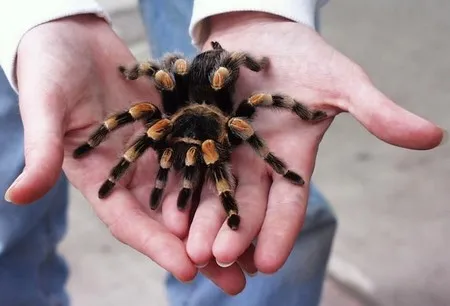
Bringing a tarantula into your home can be an incredibly rewarding experience. These fascinating creatures offer a unique opportunity to observe the wonders of the natural world up close. However, caring for a tarantula requires understanding their specific needs to ensure their well-being. This comprehensive guide, Tarantula Care 101, will provide you with the essential knowledge you need to keep your pet spider happy and thriving. From choosing the right species to understanding their health, we’ll cover everything you need to know to become a responsible and successful tarantula owner. Get ready to embark on an exciting journey into the world of tarantulas, learning the secrets to providing the best possible care for your eight-legged friend.
Choosing Your Tarantula
The first step in successful tarantula care is selecting the right species for your experience level and lifestyle. Not all tarantulas are created equal, and some are better suited for beginners than others. Researching different species is crucial to determine which one aligns with your expectations and ability to provide proper care. Consider factors such as temperament, size, lifespan, and the level of maintenance required. Some species are known for their docile nature, while others may be more prone to defensive behaviors. Knowing the characteristics of various tarantulas ensures that you can create a suitable and safe environment for both you and your pet. Take your time to learn about the different tarantula types.
Choosing the Right Species
Beginners often find New World tarantulas, like the Chilean rose hair or the Mexican red knee, to be excellent choices. These species are generally docile, slow-moving, and relatively easy to care for. Their tolerance of handling and predictability makes them ideal for those new to the hobby. Research the specific requirements of any tarantula species you are considering. These requirements can vary widely. Different species have different needs, including varied temperature, humidity, and enclosure size needs. By thoroughly studying these specific needs, you can be sure to provide the best care possible.
Consider Size and Temperament

The size of the tarantula will directly impact the size of the enclosure you’ll need. Larger species naturally require more space, which affects the overall space needed for their habitat. Temperament also plays a critical role in your ability to interact with the tarantula. Some species are more prone to biting or kicking urticating hairs (hairs that cause irritation). It’s crucial to understand these temperamental traits before choosing your tarantula. Researching the adult size of the species helps you prepare for their future needs. For example, a full-grown Goliath birdeater (Theraphosa blondi) needs a much larger enclosure than a dwarf tarantula. Consider your comfort level with various temperaments to ensure a harmonious relationship with your pet. Knowing your limits and the specific characteristics of each species is the key to a successful tarantula-keeping experience.
Where to Buy Your Tarantula
Purchasing your tarantula from a reputable breeder or pet store is essential. This ensures you are getting a healthy specimen and reduces the risk of acquiring a spider with pre-existing health issues. Look for vendors specializing in exotic pets, as they often have more experience with tarantulas. Check the tarantula’s overall appearance. It should be alert, active, and free from any visible signs of illness or injury. Avoid purchasing a tarantula that appears lethargic, emaciated, or has any unusual discharge. Reputable breeders can also provide valuable advice on tarantula care and answer any questions you may have. They can provide details about the spider’s origin and the conditions it was raised in, giving you an informed head start. Avoid impulse buys, and take your time to find a vendor that prioritizes the health and well-being of their animals.
Setting Up Your Tarantula’s Habitat
Creating the right habitat is crucial for the health and happiness of your tarantula. A well-designed enclosure will not only meet the spider’s physical needs but also provide a stimulating environment. The setup should mimic the tarantula’s natural habitat as closely as possible, including appropriate temperature, humidity, and substrate. Avoid overcrowding the enclosure with excessive decorations, as this can stress the spider. A simple, functional setup is often best. Ensure that the enclosure is escape-proof, with a secure lid that the tarantula cannot lift or push open. Consider the size of the tarantula. As the spider grows, you may need to upgrade its enclosure accordingly. With the correct care, your tarantula will be able to thrive.
The Right Enclosure

The size of the enclosure depends on the size of your tarantula. A general rule of thumb is to provide an enclosure that is at least twice the spider’s leg span in width and length. Consider the height, as some terrestrial tarantulas may climb, while arboreal species require more vertical space. Glass terrariums or plastic enclosures with secure lids work well. Ensure the enclosure has proper ventilation to prevent the buildup of mold and maintain appropriate humidity levels. The enclosure should also be easy to clean. Avoid using enclosures with sharp edges or features that could potentially injure your spider. A well-chosen enclosure is a cornerstone of tarantula care, promoting the spider’s well-being.
Substrate Selection
The substrate is the bedding material in your tarantula’s enclosure. It serves several purposes, including providing a surface for the tarantula to walk on, burrow in, and retain humidity. The choice of substrate depends on the species of tarantula and its specific environmental needs. For terrestrial tarantulas, a mixture of coco fiber, peat moss, and vermiculite is often ideal. These materials hold moisture well and allow the tarantula to burrow. Avoid using substrates that are too dusty, as these can irritate the spider’s respiratory system. The depth of the substrate will depend on the species, but generally, a layer of 2-6 inches is sufficient. Keep the substrate clean by removing any uneaten food and waste regularly. Properly maintaining the substrate ensures a healthy environment for your tarantula.
Temperature and Humidity
Temperature and humidity levels are crucial for your tarantula’s health. Most tarantulas thrive in temperatures between 75-85°F (24-29°C). Use a thermometer to monitor the temperature inside the enclosure and adjust accordingly. Avoid placing the enclosure in direct sunlight or near heat sources. Humidity levels vary depending on the species, but generally range from 60-80%. Use a hygrometer to measure humidity and maintain it by misting the enclosure with water as needed. Excessive dryness can lead to problems with molting, while excessive humidity can lead to mold growth. Regularly check the humidity and temperature to ensure a comfortable environment for your tarantula. Maintaining these factors correctly can extend the life of your spider.
Essential Accessories
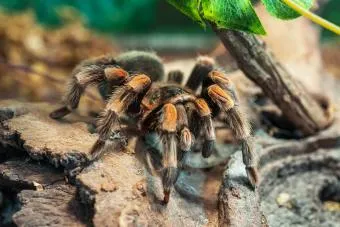
In addition to the enclosure, substrate, and temperature/humidity controls, several other accessories are essential for providing appropriate tarantula care. A water dish is necessary to provide a constant source of fresh water. Choose a shallow dish to prevent the tarantula from drowning. Decorations can enhance the enclosure and provide enrichment for your spider. Cork bark, driftwood, and artificial plants can be used to create a more natural environment. Ensure that any decorations are securely placed and free of sharp edges. A hide, such as a half log or a commercial hide, is also important to provide a safe space for your tarantula to retreat. These accessories contribute to the overall well-being of your tarantula.
Feeding Your Tarantula
Feeding your tarantula is a key aspect of its care. Tarantulas are generally opportunistic feeders and will eat a variety of insects. The type and frequency of feeding depend on the age, size, and species of your tarantula. Avoid overfeeding, as this can lead to health problems. Provide a diverse diet to ensure your spider receives all the necessary nutrients. Observe your tarantula’s feeding behavior. If the tarantula is not eating, there might be an underlying issue. Proper feeding habits will keep your tarantula healthy and happy.
What to Feed
A variety of feeder insects can be fed to your tarantula. Crickets, mealworms, and roaches are common choices. The size of the insects should be appropriate for the size of your tarantula. As a general rule, the insects should be no larger than the tarantula’s abdomen. Dust the feeder insects with a vitamin and mineral supplement, especially if they are not gut-loaded (fed nutritious food before being fed to your tarantula). Avoid feeding wild-caught insects, as these may carry parasites or pesticides. Ensure that the feeder insects are healthy and disease-free. Remove uneaten insects within 24 hours to prevent them from bothering your tarantula or potentially injuring it.
Feeding Frequency

The feeding frequency will depend on the tarantula’s age, size, and metabolism. Spiderlings and juveniles should be fed more frequently than adults. Young tarantulas may be fed every other day or even daily, while adults can be fed once or twice a week. Observe your tarantula’s abdomen; a well-fed tarantula will have a rounded abdomen. If the abdomen appears too large, reduce the feeding frequency. Adjust the feeding schedule based on your tarantula’s specific needs and behavior. During molting, tarantulas typically stop eating, so do not force them to eat during this period. Providing the correct amount of food and the right frequency is important for their health and survival.
Watering Your Tarantula
Providing fresh water is critical for your tarantula’s survival. Tarantulas obtain their water from both drinking and the humidity in their environment. Fresh, clean water must be available at all times. Regularly check the water dish to ensure it’s full and clean. If the water dish is empty or dirty, your tarantula may become dehydrated. Ensure you clean and replenish the water regularly to prevent the build-up of bacteria and other contaminants. The provision of water is just as important as food and shelter.
Providing Fresh Water
A shallow water dish should be provided in the enclosure at all times. The dish should be small enough that the tarantula can easily reach the water, but not so deep that it risks drowning. Ceramic or plastic water dishes are suitable. Clean the water dish regularly to prevent the growth of algae and bacteria. Change the water every one or two days, and make sure to use fresh, dechlorinated water. Ensure that the water dish is always accessible. Also, monitor the water level to ensure a constant supply of water. The continuous provision of fresh water ensures your tarantula stays well hydrated.
Misting for Humidity

In addition to providing a water dish, misting the enclosure can help maintain the correct humidity levels, especially for species that require high humidity. Use a spray bottle filled with dechlorinated water to mist the enclosure. The frequency of misting will depend on the species. Some species require daily misting, while others only need it a few times a week. Avoid oversaturating the enclosure, as this can lead to mold growth and other health problems. Monitor the humidity levels using a hygrometer and adjust your misting schedule accordingly. Observe your tarantula’s behavior. Misting helps to recreate the natural environment the tarantula would have.
Handling and Safety
Handling your tarantula is a personal choice, and it is not necessary for their well-being. Some tarantulas are docile and can be handled safely, while others are more prone to defensive behaviors. Before attempting to handle your tarantula, thoroughly research its species and temperament. Always prioritize your safety and the safety of your tarantula. Understand that even docile tarantulas may bite if they feel threatened. Taking appropriate safety measures ensures a positive interaction with your pet.
When to Handle
Avoid handling your tarantula unless absolutely necessary. Handling should be limited to situations such as cleaning the enclosure or moving the tarantula to a new habitat. When handling, do so with caution and a calm demeanor. Avoid sudden movements or loud noises that could startle the tarantula. Some tarantulas may be more tolerant of handling than others, but it is essential to respect the individual needs and temperaments of each spider. Observe your tarantula’s behavior before attempting to handle it. If the tarantula displays defensive postures, such as raising its front legs, it is best to leave it alone. Safe and cautious handling ensures a positive experience for both you and your pet.
Handling Techniques

If you choose to handle your tarantula, do so over a soft surface, such as a bed or a carpet, to minimize the risk of injury if the tarantula falls. Gently coax the tarantula onto your hand, allowing it to walk on its own. Never grab or try to force the tarantula. Be aware of the spider’s movements. It may move quickly, so be ready. Avoid sudden movements. Keep a close eye on your spider and its behaviors. Keep your hand close to the ground in case your tarantula falls or moves. Always wash your hands thoroughly before and after handling your tarantula. The safety of the tarantula should always be your highest priority.
Tarantula Health and Common Problems
As with any pet, tarantulas can experience health problems. Recognizing signs of illness and knowing how to address them is important for providing proper care. Regular observation of your tarantula’s behavior and appearance can help you detect any potential issues early. If you notice any unusual symptoms, such as lethargy, loss of appetite, or changes in behavior, it is important to consult a veterinarian who specializes in exotic animals. Addressing health issues promptly can prevent them from worsening. Knowledge and observation will provide the best health outcomes for your pet tarantula.
Recognizing Molting
Molting is a natural process where tarantulas shed their exoskeleton to grow. This process can be stressful for the spider. Before molting, the tarantula will typically stop eating and may become more reclusive. You may notice a change in the color of the spider’s abdomen. The spider may also flip onto its back during molting. Avoid disturbing the tarantula during molting. Provide a humid environment and allow the spider to complete the process undisturbed. The new exoskeleton will be soft for a few days after molting. Do not feed your tarantula until its fangs have hardened, usually about a week or two after molting. Understanding this process ensures you support your tarantula.
Identifying and Treating Illness
Common health issues in tarantulas include mites, fungal infections, and injuries. Mites can be identified by their presence on the tarantula or in the enclosure. Fungal infections can manifest as discoloration or lesions on the spider. Injuries can occur from falls or handling. Consult a veterinarian if you suspect your tarantula is ill or injured. They can provide an accurate diagnosis and recommend appropriate treatment. Maintaining a clean environment and providing proper care can help prevent many health problems. Promptly addressing any health concerns is key to your tarantula’s well-being.
Conclusion
Caring for a pet tarantula can be a rewarding experience. By understanding their unique needs and providing proper care, you can ensure that your spider thrives. From choosing the right species to creating a suitable habitat and providing appropriate feeding and water, every aspect of tarantula care contributes to your spider’s well-being. This Tarantula Care 101 guide has provided you with the essential knowledge to embark on this journey. Remember to always prioritize the health and safety of your tarantula, and enjoy the fascinating world of these amazing creatures. Continued learning and observation will ensure a long and happy life for your eight-legged companion. Enjoy your journey into the world of tarantula care.