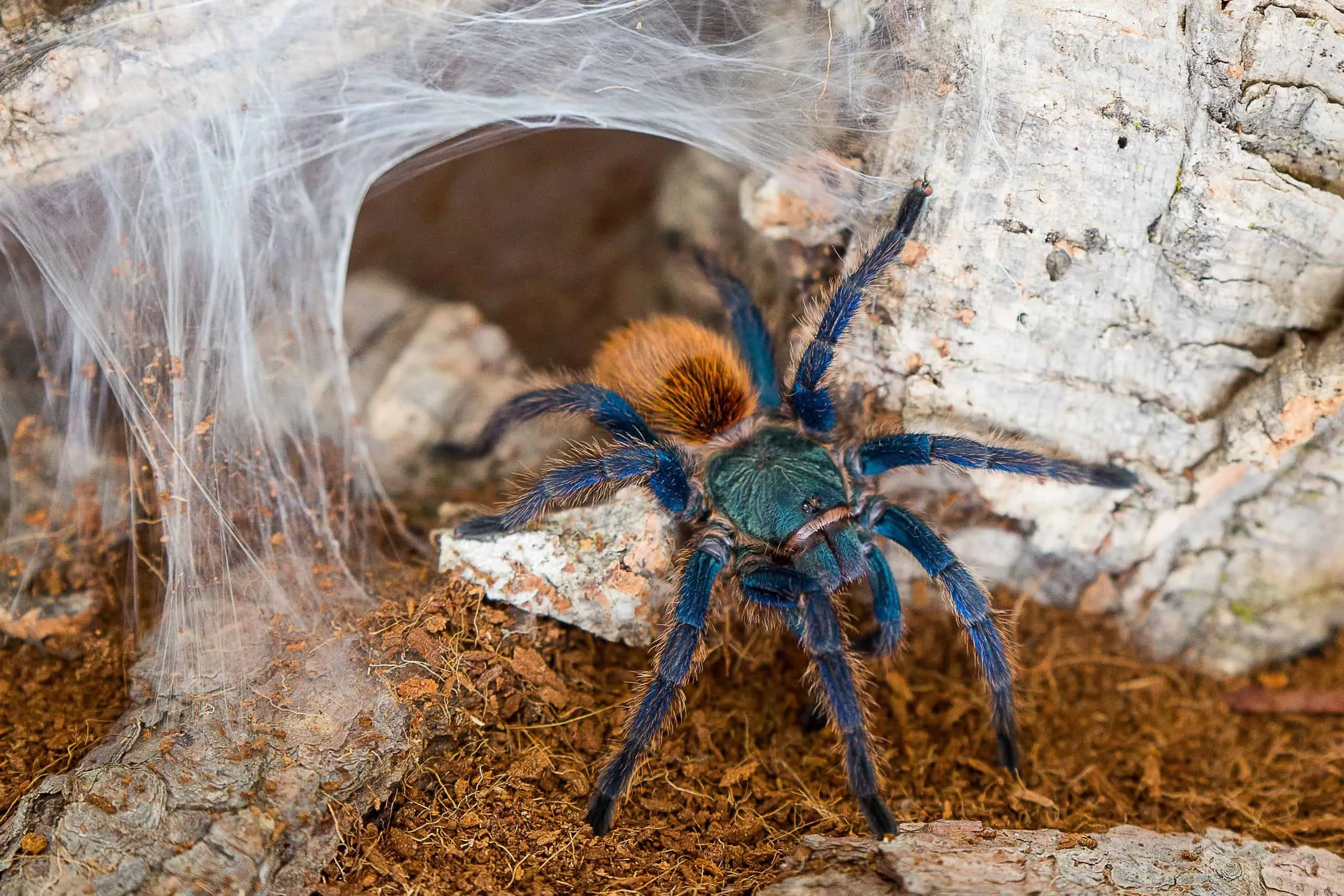
Tarantula Care 101 What You Need To Know
Tarantulas, with their captivating appearance and intriguing behaviors, have become increasingly popular as pets. However, these fascinating creatures require specific care to thrive. This comprehensive guide, “Tarantula Care 101 Your Ultimate Guide,” will walk you through everything you need to know to provide a healthy and enriching environment for your tarantula. From selecting the right species and setting up their enclosure to understanding their feeding habits and health needs, this guide is designed for both novice and experienced tarantula keepers. Learning about tarantula care is essential to ensure their longevity and well-being. Proper care not only allows you to appreciate these creatures but also contributes significantly to their quality of life. This guide will equip you with the knowledge and confidence to become a responsible and knowledgeable tarantula owner, providing your spider with the best possible life.
Choosing Your First Tarantula Species
Selecting the right tarantula species is the first and most crucial step in successful tarantula keeping. The ideal choice depends on your experience level, the climate you live in, and how much time you can dedicate to their care. Beginners should opt for species that are known for their docile temperament, relatively low maintenance, and tolerance for minor environmental fluctuations. Researching different species is key; consider factors such as size, growth rate, lifespan, and venom potency. Some tarantulas, while not inherently aggressive, may have urticating hairs that can cause skin irritation, so it is crucial to know the potential risks. Always purchase from reputable breeders or pet stores to ensure you’re getting a healthy specimen. Prioritize species known for their hardiness and ease of care, such as the Chilean Rose Hair or the Mexican Red Knee, as they are great starting points.
Popular Tarantula Species for Beginners

Several tarantula species are highly recommended for beginners due to their gentle nature and straightforward care requirements. The Chilean Rose Hair (Grammostola rosea) is a classic choice known for its docile temperament and relatively slow growth rate. Mexican Red Knee (Brachypelma hamorii), while slightly more sensitive, is another popular choice due to their striking appearance and manageable needs. These species are generally more tolerant of handling and environmental changes, making them excellent options for those new to the hobby. Remember, individual tarantulas can vary in personality, but these species generally have a calmer disposition. Always handle tarantulas gently and avoid sudden movements to minimize stress. When selecting your first tarantula, consider factors like the species’ maximum size, feeding habits, and typical behavior, as this will influence your enclosure setup and care routine.
Tarantula Enclosure Setup The Perfect Habitat
Setting up the correct enclosure is essential for your tarantula’s health and well-being. A well-designed enclosure mimics the tarantula’s natural habitat, providing a comfortable and safe environment. The enclosure should be appropriately sized for the species and its current size, allowing room for movement and exploration. The enclosure’s material can vary from glass terrariums to plastic tubs, but it must be secure and well-ventilated to prevent escapes and maintain air circulation. It should also have a secure lid to keep the tarantula safe and prevent it from escaping. Furthermore, your enclosure needs to be easy to clean and maintain, making it simpler to regulate the environment. This proper enclosure setup ensures the overall health of the tarantula and enhances its comfort in captivity, mirroring its natural habitat.
Enclosure Size and Material
The size of the enclosure should be proportional to the tarantula’s size and growth rate. A general rule is that the enclosure should be approximately three times the tarantula’s leg span in length and width. For smaller species and spiderlings, a smaller enclosure is preferable to avoid overwhelming the tarantula. The material of the enclosure can influence its suitability. Glass terrariums offer excellent visibility and are easy to clean, but they can be heavy and may retain heat. Plastic enclosures are lightweight, durable, and retain humidity better, making them a good choice for many species. Always ensure the enclosure has adequate ventilation to prevent mold growth and maintain air quality. The material must be non-toxic and safe for the tarantula, with secure closures to prevent escapes. Consider the aesthetics, ease of cleaning, and maintenance when selecting your enclosure’s size and material.
Substrate Selection Guide

The substrate, or bedding, plays a crucial role in the tarantula’s enclosure, influencing humidity, providing a burrowing medium, and acting as a waste absorber. The ideal substrate should retain moisture, allow the tarantula to burrow if it’s a burrowing species, and be free of harmful chemicals or toxins. Common substrate options include coconut fiber (coco coir), peat moss, vermiculite, and a mix of these materials. Coconut fiber is a popular choice due to its excellent moisture retention, natural appearance, and resistance to mold. Peat moss is another good option, but it tends to be more acidic. Vermiculite is excellent for maintaining humidity. Avoid substrates like wood shavings or cedar, which can be harmful to tarantulas. Ensure that the substrate is deep enough to allow the tarantula to burrow if it is a burrowing species and replace it regularly to maintain cleanliness and prevent the buildup of waste and mold. This aspect of care is vital for a healthy tarantula.
Temperature and Humidity Control
Maintaining the appropriate temperature and humidity levels is essential for your tarantula’s health and well-being. The ideal temperature range varies by species, but most tarantulas thrive between 75-85°F (24-29°C). Use a thermometer to monitor the temperature within the enclosure. You may need to use a heat source like a heat mat or ceramic heat emitter, but never place the heat source directly inside the enclosure. Humidity levels are also critical. This should be measured using a hygrometer. Provide adequate ventilation to prevent mold growth. Misting the enclosure regularly, especially in drier climates, can help maintain humidity. The substrate should be kept slightly moist but not soggy to prevent mold or fungal growth. Regularly monitor the temperature and humidity levels to ensure they are within the correct range for your tarantula species.
Tarantula Feeding and Hydration
Feeding your tarantula the right diet and providing adequate hydration is fundamental to its overall health and longevity. Tarantulas are carnivorous predators and require a diet of live insects appropriate for their size. Feeding frequency varies depending on the tarantula’s age, species, and growth stage. Always offer fresh water and maintain the correct humidity levels to keep your tarantula hydrated. The choice of food insects, the frequency of feeding, and the provision of clean water are critical aspects of their care. A balanced diet and adequate hydration will support your tarantula’s growth and overall well-being, contributing to its healthy life.
Feeding Frequency and Food Types

The feeding frequency for tarantulas depends on their age and growth rate. Spiderlings should be fed more frequently, typically 2-3 times per week, while adult tarantulas can be fed every 1-2 weeks. Offer a variety of insects to ensure a balanced diet. Crickets, mealworms, dubia roaches, and even appropriately sized waxworms can be used as food. Always ensure that the insects are gut-loaded, meaning they are fed nutritious food before being offered to your tarantula. This enhances the nutritional value of the food for your pet. Avoid feeding your tarantula insects that have been exposed to pesticides or chemicals. Remove any uneaten insects within 24 hours to prevent them from stressing or harming the tarantula. Adjust the feeding schedule as needed, depending on the tarantula’s feeding habits and body condition.
Watering Your Tarantula
Providing fresh water is critical for your tarantula’s survival. They obtain moisture from both food and water sources. Use a shallow water dish or bottle cap filled with clean, fresh water. Ensure the water dish is small enough to prevent your tarantula from accidentally drowning. Change the water regularly to prevent bacterial growth and contamination. In addition to a water dish, misting the enclosure can help maintain the humidity needed, which is essential for many species. Monitor the tarantula’s behavior; if it appears dehydrated, offer more frequent water or increase humidity levels. Ensuring a clean and accessible water source is a basic but vital component of tarantula care.
Tarantula Handling Safe Practices
Handling tarantulas should be approached with caution and knowledge. While some tarantulas are docile, others may bite or flick urticating hairs as a defense mechanism. Handle tarantulas only when necessary and with the understanding that it can be stressful for them. Always handle your tarantula over a soft surface to prevent injury if it falls. Regular handling is generally not required and can cause undue stress for the tarantula. Understanding your tarantula’s behavior is crucial to avoid any issues, and it helps to gauge its mood and willingness to be handled. If you need to handle your tarantula, do so gently and avoid sudden movements to minimize stress and potential defensive behaviors.
When to Handle and When to Avoid

There are specific instances when handling a tarantula is necessary and others when it should be avoided. Avoid handling your tarantula during or shortly after molting, as their exoskeletons are soft and vulnerable. Refrain from handling if the tarantula appears agitated or defensive, indicated by a raised posture or flicking of urticating hairs. Limit handling when the tarantula is eating or about to molt. Handling can be done for necessary enclosure maintenance or vet visits. Handle tarantulas gently and with confidence, and be prepared to set them down if they show any signs of stress. Always prioritize the tarantula’s well-being and avoid unnecessary handling. Make handling a rare occurrence to maintain the animal’s well-being.
Recognizing Signs of Stress
It is essential to recognize the signs of stress in tarantulas to ensure their well-being. Defensive postures include rearing up on their hind legs, raising their front legs, and presenting their fangs. Flicking urticating hairs is another sign of stress; if the tarantula is flicking hairs, it feels threatened and should be left alone. Other signs include rapid movements, a refusal to eat, or retreating to a burrow for extended periods. If your tarantula exhibits these signs, reduce handling and check enclosure conditions for any stressors, such as extreme temperatures or incorrect humidity. Observe your tarantula frequently to understand its behavior and needs. Knowing how to recognize and respond to these signs allows you to manage your tarantula’s environment and maintain its well-being effectively, giving it a stress-free life.
Tarantula Health Common Issues
Like all pets, tarantulas can experience health problems. Knowing how to identify and address these issues is a crucial part of responsible tarantula care. Common health problems include parasites, mites, fungal infections, and injuries from falls or handling. Regular observation of your tarantula’s behavior, eating habits, and overall appearance can help you detect any problems early. Creating a preventative plan, including maintaining proper enclosure conditions, providing a balanced diet, and practicing safe handling, can help prevent many of these health problems. Consulting with an experienced tarantula keeper or a veterinarian with exotic animal experience is advisable if you notice any health concerns. This active approach to health is important in keeping your tarantula healthy and well.
Molting Process Understanding

Molting is a natural and essential process for tarantulas, during which they shed their exoskeletons to grow. The frequency of molting depends on the tarantula’s age, with younger tarantulas molting more frequently. During the molting process, the tarantula becomes very vulnerable. Signs of an impending molt include loss of appetite, a change in behavior, and a darkening of the abdomen. The tarantula may also construct a web mat or lay on its back. Do not disturb the tarantula during molting. Provide a stable and humid environment. After molting, the tarantula’s new exoskeleton will be soft, so it’s essential to avoid handling them for a week or two. It will need time to harden and recover. Properly understanding the molting process will help you manage your tarantula’s health.
Identifying Potential Problems
Regularly inspect your tarantula for any signs of illness or injury. Look for changes in behavior, such as lethargy or a lack of appetite. Examine the tarantula for any visible abnormalities, such as mites, fungal infections, or wounds. Mites, often appearing as small, moving specks, can be a common problem. Fungal infections may manifest as discolored patches on the exoskeleton. If you notice any issues, isolate the affected tarantula and consult an experienced keeper or vet. The right identification of potential problems and the correct actions are essential for your tarantula’s health and longevity. Early intervention can make a significant difference in resolving health problems. If in doubt, it is best to seek advice from an expert to determine the proper steps.
Tarantula Lifespan and Expectations
Understanding the lifespan and expected behaviors of tarantulas is essential for providing proper care and setting realistic expectations. Tarantula lifespans vary greatly depending on the species and sex. Female tarantulas generally live much longer than males, often for 20 years or more, while males typically live only a few years. Consider the lifespan when choosing a tarantula species, as this affects the long-term commitment. Remember, tarantulas have unique behaviors and can be reclusive, especially as they age. It is important to provide them with a stimulating environment and be observant of their health and well-being. Knowing what to expect helps ensure a fulfilling experience for both you and your tarantula. Plan ahead for the long-term commitment and ongoing care needed to ensure the animal’s comfort and longevity.
This guide provides essential information on tarantula care, from selecting a species and setting up their enclosure to understanding their diet and health. By following these guidelines, you can ensure that your tarantula has a comfortable, healthy, and fulfilling life. Remember that patience, observation, and a commitment to learning are crucial in tarantula keeping. As you gain experience, you will deepen your understanding of these fascinating creatures and develop a rewarding bond. Enjoy the journey of tarantula keeping!