
Choosing Your First Tarantula
Embarking on the journey of tarantula ownership can be an incredibly rewarding experience, but it’s essential to start with the right knowledge and preparation. This guide is designed to provide beginner-friendly information, ensuring you can provide the best possible care for your new eight-legged companion. Before you bring a tarantula home, take the time to understand their needs and the commitment involved. This includes researching their specific species, understanding their habitat requirements, and being prepared to handle the responsibilities of feeding, cleaning, and ensuring their overall well-being. The goal is to make sure you and your new pet have a smooth and positive experience.
Understanding Tarantula Species
Not all tarantulas are created equal. Some species are more docile and easier to handle than others, making them ideal for beginners. Researching different species is crucial to find one that matches your experience level and lifestyle. Consider factors such as temperament, size, growth rate, and lifespan. Some popular beginner-friendly species include the Chilean Rose Hair, the Pinktoe Tarantula, and the Mexican Red Knee. These species are known for their relatively docile nature and are generally easier to care for compared to more aggressive or sensitive species. This initial research is vital for a positive start.
Popular Beginner Tarantula Choices

Several tarantula species are particularly well-suited for beginners due to their docile nature and relatively low-maintenance care requirements. The Chilean Rose Hair tarantula, for instance, is known for its calm temperament and tolerance of handling. The Mexican Red Knee tarantula is another popular choice, characterized by its striking coloration and relatively gentle disposition. The Pinktoe tarantula, while requiring slightly more humidity, is also a good option, offering an interesting arboreal (tree-dwelling) lifestyle. Each of these species provides a fantastic introduction to tarantula keeping, offering a blend of fascinating behavior and manageable care needs.
Considering Your Lifestyle
Before acquiring a tarantula, assess your lifestyle to ensure you can provide the necessary care. Consider how much time you can dedicate to maintaining the enclosure, feeding your tarantula, and observing its behavior. Think about your living situation and whether you have the space to accommodate a suitable enclosure. Tarantulas require specific environmental conditions, including appropriate temperature and humidity levels, which might influence where you keep your pet. Additionally, evaluate your financial capabilities, as tarantula ownership involves ongoing costs for food, substrate, and occasional veterinary care, although tarantulas are generally low maintenance.
Setting Up the Perfect Tarantula Enclosure
Creating a suitable habitat is paramount for the well-being of your tarantula. The enclosure should mimic the tarantula’s natural environment as closely as possible, providing a safe and comfortable space. This involves selecting the right size tank, choosing appropriate substrate, and maintaining the correct levels of humidity and temperature. The enclosure should also include appropriate hiding places, such as cork bark or artificial plants, to allow your tarantula to feel secure. A well-designed enclosure not only ensures the health of your tarantula but also enhances your enjoyment of observing its fascinating behavior. Careful planning is essential.
Choosing the Right Tank Size

The size of the enclosure is directly related to the size of your tarantula. A general rule is to provide a tank that is at least three times the tarantula’s leg span in width and length, and at least twice its leg span in height. This provides ample space for the tarantula to move around, burrow, and feel comfortable. For terrestrial species (ground-dwelling), a wider tank is preferable, whereas arboreal species (tree-dwelling) benefit from taller enclosures with climbing structures. An appropriate tank size reduces stress, allowing your tarantula to thrive in its new home, and also simplifies maintaining the required environmental conditions.
Substrate Selection and Setup
The substrate is the foundation of the tarantula’s enclosure, providing a place for it to burrow, hide, and feel secure. The ideal substrate should retain moisture, allow for burrowing, and be free of harmful chemicals. A mixture of substrates is often best. Popular choices include a blend of coconut fiber, peat moss, and a small amount of vermiculite or sphagnum moss to help retain humidity. The depth of the substrate should be sufficient to allow burrowing for terrestrial species, typically several inches. Ensure the substrate is kept clean and replaced regularly to prevent the buildup of mold and bacteria, which is crucial for tarantula health.
Providing Water and Humidity
Tarantulas need access to fresh water at all times. This can be provided through a shallow water dish, preferably one that is easy for the tarantula to access without the risk of drowning. Humidity is another critical factor, and the level required varies depending on the species. For most species, maintaining a humidity level between 60% and 70% is optimal. Regular misting of the enclosure, especially the substrate, helps to achieve and maintain the right humidity level. Monitoring the humidity with a hygrometer is recommended. Poor humidity control can lead to health issues, so it’s important to monitor and adjust accordingly.
Temperature and Lighting Requirements

Tarantulas thrive in a specific temperature range, typically between 75°F and 85°F (24°C and 29°C). While supplemental heating is usually not necessary for most homes, you may need a heat source if your home is consistently colder. Avoid placing the enclosure in direct sunlight or near a heat source, as this can lead to overheating. Lighting is less critical for tarantulas, as they are primarily nocturnal creatures. While standard room lighting is generally sufficient, avoid strong, direct lighting that can stress your tarantula. If using any lighting, ensure it doesn’t significantly alter the enclosure’s temperature.
Feeding Your Tarantula
Proper feeding is essential for the health and growth of your tarantula. The type of food, frequency of feeding, and portion sizes all play vital roles in ensuring your pet receives adequate nutrition. It’s important to offer a balanced diet and to adjust your feeding schedule based on the tarantula’s age, species, and overall condition. Overfeeding can lead to health problems, whereas underfeeding can stunt growth. Understanding your tarantula’s dietary needs is an important part of providing excellent care.
What to Feed Your Tarantula
Tarantulas are primarily insectivores, meaning their diet consists mainly of insects. Suitable food items include crickets, mealworms, roaches, and other commercially available insects. The size of the food should be appropriate for the size of your tarantula; the general rule is to offer prey that is no larger than the tarantula’s abdomen. Ensure the insects are gut-loaded (fed nutritious food) before offering them to your tarantula, providing them with a more balanced diet and maximizing their nutritional value. Avoid feeding wild-caught insects, as they may carry parasites or pesticides.
Feeding Frequency and Portion Sizes

The feeding frequency depends on the tarantula’s age and species. Young tarantulas (spiderlings) require more frequent feedings, typically every other day. Adult tarantulas, however, can be fed less frequently, usually once or twice a week. Observe your tarantula’s behavior and adjust the feeding schedule accordingly. If the tarantula consistently refuses food, it may be in pre-molt or not hungry. Always remove any uneaten food within 24 hours to prevent the buildup of mold or mites. Monitor the size of your tarantula’s abdomen; a plump abdomen is a sign of good health, but excessive plumpness can indicate overfeeding.
Handling Your Tarantula Safely
Handling a tarantula is a personal choice and should be approached with caution. Some tarantulas are more docile and tolerant of handling than others, while some species are known to be more defensive and likely to bite or flick urticating hairs. Before attempting to handle your tarantula, research your specific species and understand its temperament. Always approach handling with calm, slow movements, and avoid startling the tarantula. It’s crucial to be aware that even docile tarantulas can become stressed, potentially leading to bites or defensive behavior, so handling should never be forced.
Understanding Tarantula Behavior
Understanding tarantula behavior is key to safe and successful handling. Tarantulas communicate through various behaviors, including raising their front legs in a threat posture, flicking urticating hairs, or retreating into their burrow. If your tarantula displays any signs of defensiveness, it’s best to avoid handling. Tarantulas are often more active in the evening or at night, and during these times, you might observe more of their natural behaviors. Familiarize yourself with these behaviors to better understand your tarantula’s mood and avoid any unnecessary stress or potential conflicts. This knowledge helps foster a positive relationship with your pet.
Safe Handling Practices

If you choose to handle your tarantula, prioritize its safety and yours. Handle the tarantula over a soft surface, such as a bed or couch, in case it falls. Wash your hands thoroughly before and after handling to avoid transferring any substances to the tarantula or exposing yourself to potential irritants like urticating hairs. Move slowly and gently; avoid sudden movements that can startle the tarantula. Keep a close eye on the tarantula’s behavior, and if it shows any signs of stress or defensiveness, gently return it to its enclosure. Always respect the tarantula’s space and well-being, and be prepared to end the handling session at any time.
Tarantula Health and Maintenance
Regular maintenance and attention to your tarantula’s health are essential for a long and healthy life. This includes recognizing potential health issues, understanding the molting process, and keeping the enclosure clean. While tarantulas are generally low-maintenance pets, neglecting their needs can lead to health problems. Being vigilant in observing your tarantula, providing the right environment, and responding quickly to any signs of illness or distress will significantly contribute to their well-being.
Recognizing Common Health Issues
Several health issues can affect tarantulas, and it’s crucial to be able to recognize them. These include external parasites, such as mites, which can be seen as tiny moving dots on the tarantula or in the enclosure. Other signs of illness include loss of appetite, lethargy, and changes in behavior. A tarantula may also exhibit a loss of limb coordination or unusual postures. If you notice any of these signs, consult with a veterinarian specializing in exotic animals as soon as possible. Early intervention can often prevent the issue from worsening. Always research symptoms so you can give the best care.
Molting and What to Expect
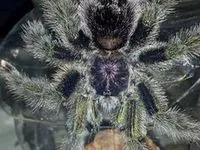
Molting is a natural process for tarantulas, during which they shed their exoskeleton to grow. Before molting, your tarantula may stop eating, become less active, and spend more time in its burrow. The tarantula may also appear dull in color and may lay on its back during the molt. Do not disturb your tarantula during molting; the process can take several hours or even days. After molting, the tarantula will have a new, soft exoskeleton, and it’s important to avoid handling it for several days until it hardens. Provide fresh water, but do not offer food until its fangs have hardened, as the new fangs are vulnerable.
Cleaning and Maintaining the Enclosure
Regular cleaning of the enclosure is vital to maintaining a healthy environment for your tarantula. Remove any uneaten food, dead insects, and fecal matter promptly. Spot-clean the substrate regularly, removing any soiled areas. The frequency of full substrate changes depends on the type of substrate, but typically every six months to a year is sufficient. During cleaning, avoid using harsh chemicals or cleaning agents. Ensure that the enclosure is thoroughly dry before returning the tarantula to its habitat. A clean enclosure not only helps to prevent disease but also allows you to better observe your tarantula and its behaviors.
Troubleshooting Common Issues
Even with the best care, you might encounter some common issues. If your tarantula refuses to eat, check the temperature, humidity, and ensure it’s not in pre-molt. If you see mites, isolate the tarantula and clean the enclosure thoroughly, and consider a mite treatment. If your tarantula appears lethargic or inactive, check environmental conditions and rule out any illnesses. Always consult with a veterinarian or experienced tarantula keeper if you are unsure about an issue. By addressing any problems quickly, you can ensure the well-being of your tarantula and keep your pet happy.