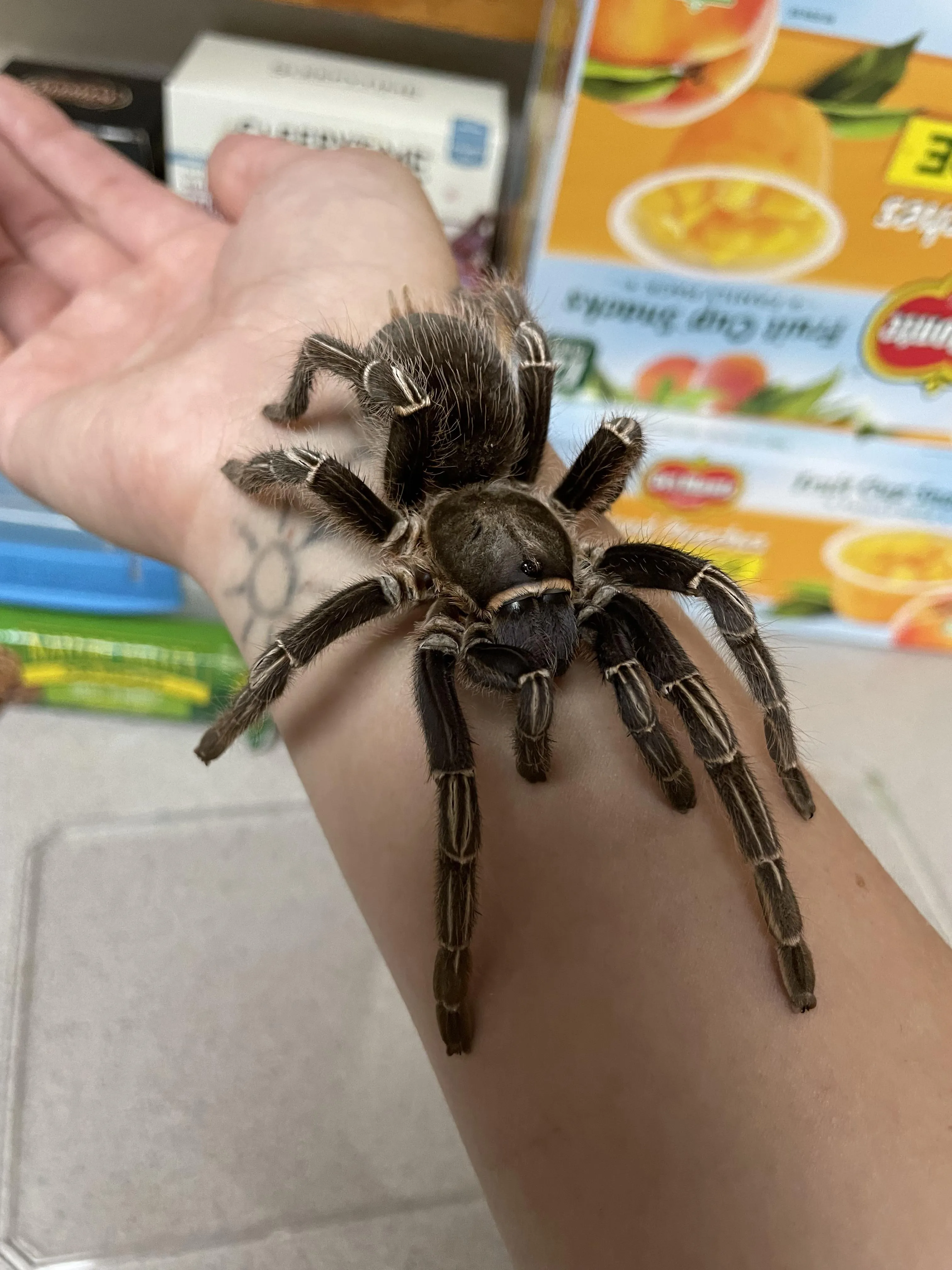
Choosing Your First Tarantula
Embarking on the journey of tarantula ownership can be an incredibly rewarding experience, offering a unique opportunity to observe and care for a fascinating creature. This guide is designed to provide you with the essential knowledge to ensure your first tarantula thrives. Before bringing a tarantula home, careful consideration and research are crucial for both your pet’s well-being and your own peace of mind. Understanding the specific needs of these arachnids is the cornerstone of responsible pet ownership.
Researching Tarantula Species
Not all tarantulas are created equal; different species have different temperaments, sizes, and care requirements. Thorough research into the specific species you’re considering is paramount. Online resources, books, and experienced tarantula keepers can offer valuable insights. Look into the tarantula’s natural habitat, what it eats, its typical behavior, and its potential adult size. This information will help you choose a tarantula that aligns with your lifestyle and capabilities.
Popular Beginner Tarantula Choices

For novice tarantula keepers, certain species are known for their docile nature, hardiness, and manageable size. The Chilean Rose Hair (Grammostola rosea) is often recommended due to its generally calm temperament and relatively low maintenance needs. The Mexican Red Knee (Brachypelma hamorii) is another popular choice, known for its striking appearance and gentle disposition. Other excellent options include the Pinktoe tarantula (Avicularia avicularia). Always source your tarantula from a reputable breeder or pet store to ensure a healthy start.
Setting Up the Tarantula Enclosure
Creating the right environment is fundamental to your tarantula’s health and happiness. The enclosure should mimic the tarantula’s natural habitat, providing shelter, appropriate humidity, and a comfortable temperature range. This section will guide you through the essential aspects of setting up a suitable terrarium for your new pet.
Choosing the Right Tank
The size and type of enclosure will depend on the species and size of your tarantula. A secure, escape-proof tank is a must. For terrestrial species, a horizontally oriented tank is preferred, with the width and depth being more significant than the height. Arboreal species, which live in trees, will need a taller tank. Ensure the tank has adequate ventilation to prevent mold and maintain air quality. Glass or clear plastic enclosures are ideal for easy viewing.
Substrate Selection

The substrate serves as the flooring of your tarantula’s home and plays a crucial role in humidity regulation and burrowing (for terrestrial species). Excellent choices include a mixture of coconut fiber, peat moss, and a bit of vermiculite. These substrates retain moisture well, allowing you to maintain the appropriate humidity levels. Avoid using substrates that are chemically treated or contain fertilizers, as these can be harmful to your tarantula. The substrate should be deep enough for the tarantula to burrow if it’s a terrestrial species.
Essential Accessories
Several accessories will enhance your tarantula’s quality of life. A water dish, shallow enough to prevent drowning, is vital for hydration. Provide a hide, such as a piece of cork bark or a commercially available tarantula hide, for your tarantula to feel secure. Live or artificial plants can add visual interest and contribute to humidity. Ensure all decorations are securely placed to prevent injury during molting.
Temperature and Humidity Control
Maintaining the correct temperature and humidity is essential for your tarantula’s health. Most tarantulas thrive in temperatures between 75°F and 85°F (24°C and 29°C). Use a thermometer to monitor the temperature inside the enclosure. Humidity levels vary depending on the species, but most require between 60% and 80%. Regularly misting the enclosure with dechlorinated water or providing a water dish are effective ways to maintain humidity. A hygrometer will help you monitor the humidity levels.
Feeding Your Tarantula

Feeding your tarantula properly is crucial for its growth and overall well-being. Tarantulas are opportunistic predators, and their diet mainly consists of insects. Understanding their dietary needs and feeding habits is essential for responsible pet ownership.
Understanding Tarantula Diet
The primary diet of tarantulas consists of insects, such as crickets, mealworms, roaches, and super worms. The size of the prey should be appropriate for your tarantula; a good rule of thumb is to offer insects that are no larger than the tarantula’s abdomen. It is also important to provide a varied diet to ensure your tarantula gets all the necessary nutrients.
Feeding Frequency
The feeding frequency depends on the tarantula’s age and size. Spiderlings may need to be fed two to three times a week, while adult tarantulas can be fed once or twice a week. Remove any uneaten prey within 24 hours to prevent stress on the tarantula. Always ensure your tarantula has access to fresh water.
Watering Your Tarantula

Providing fresh water is as important as providing food. A shallow water dish is essential for hydration. Regularly check the water dish and refill it with fresh, dechlorinated water. For smaller tarantulas, you can mist the enclosure with water, allowing them to drink the droplets. Ensure the water source is always clean to prevent contamination.
Tarantula Health and Maintenance
Maintaining a healthy environment is crucial for your tarantula’s well-being. This includes recognizing potential health issues, understanding the molting process, and keeping the enclosure clean and tidy.
Recognizing Signs of Illness
Being able to recognize signs of illness is essential. Look out for lethargy, loss of appetite, or unusual behavior. Other signs include a distended abdomen, difficulty walking, or unusual discharge. If you notice anything out of the ordinary, consult with an experienced tarantula keeper or a veterinarian familiar with exotic pets.
Molting and What to Expect

Molting is a natural process where tarantulas shed their exoskeleton to grow. During this time, your tarantula will likely become less active and may refuse to eat. It is crucial not to disturb your tarantula during the molting process. After molting, the tarantula will be vulnerable; avoid handling it for a few days while its new exoskeleton hardens.
Cleaning the Enclosure
Regular cleaning is necessary to maintain a healthy environment. Remove any uneaten food, shed exoskeletons, and feces. Spot clean the substrate regularly and replace it entirely every few months, depending on the species and the size of the enclosure. Always wash your hands thoroughly before and after handling the enclosure or your tarantula.
Handling Your Tarantula
Handling a tarantula is a personal choice. While some tarantulas are docile, others may be more defensive. It is essential to approach handling with caution, always prioritizing the safety of both you and your pet.
Safety Precautions

Before handling, research your tarantula’s temperament and potential defensiveness. Wash your hands thoroughly and avoid handling if you have recently used any hand lotions or soaps with strong scents. Always handle your tarantula close to the ground, in case it falls. Be aware of the potential for urticating hairs, which some tarantulas flick as a defense mechanism, causing irritation.
Safe Handling Techniques
If you choose to handle your tarantula, do so gently and calmly. Allow the tarantula to walk onto your hand rather than grabbing it. Avoid sudden movements that might startle the tarantula. When you are done handling, gently encourage it to walk back into its enclosure. Always supervise children when they are near the tarantula.
Frequently Asked Questions
Here are answers to some of the most common questions about tarantula care:
- How often should I feed my tarantula The feeding frequency depends on the species and the tarantula’s age; spiderlings need to be fed more often than adults.
- What is the best substrate for my tarantula A mixture of coconut fiber, peat moss, and vermiculite is a great option.
- How do I know if my tarantula is molting Look out for loss of appetite, inactivity, and a change in posture.
- Can tarantulas bite Yes, but bites are rare and usually only occur if the tarantula feels threatened.
- How long do tarantulas live The lifespan varies by species; females typically live longer than males.
Caring for a tarantula is a commitment, but with the right knowledge and dedication, you can create a thriving environment for your fascinating pet. Enjoy the journey of tarantula ownership and the unique perspective it brings.