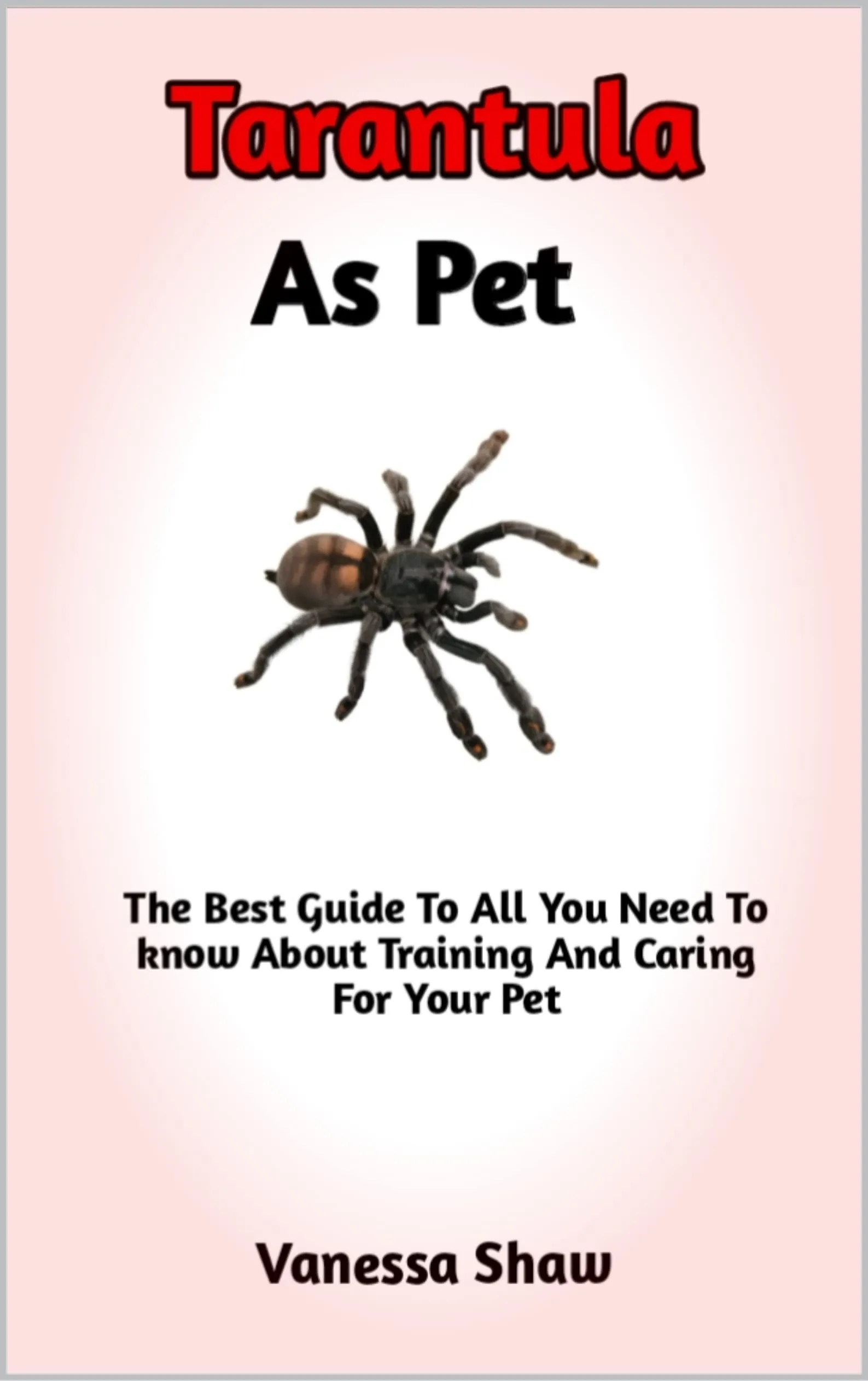
Keeping a tarantula as a pet can be a rewarding experience, offering a fascinating glimpse into the world of arachnids. These creatures, though often misunderstood, are relatively low-maintenance and can be a great option for those looking for a unique pet. However, like any pet, tarantulas require specific care to thrive. This guide provides the top 5 essential tips for beginners, ensuring a healthy and happy life for your new eight-legged friend.
Choosing the Right Tarantula
Not all tarantulas are created equal, especially for beginners. Some species are more docile, easier to care for, and less prone to defensive behaviors than others. Before you bring a tarantula home, it’s crucial to select a species that aligns with your experience level and lifestyle. Consider factors like their size, temperament, venom potency, and environmental needs. Researching different species is a must to ensure you can provide the best possible care.
Consider Your Lifestyle
Think about how much time you can dedicate to your pet. While tarantulas don’t need daily attention, they still require regular feeding, water changes, and habitat maintenance. Also, consider your living environment and whether you can provide the necessary temperature and humidity levels for the chosen species. Some tarantulas need specific temperatures, and it’s not advisable to own a tarantula that you can not properly take care of.
Research Spider Species

Do your research! Learn about the specific needs of each species you are considering. Information is key. Some beginner-friendly tarantulas include the Chilean rose hair, the curly hair tarantula, and the Mexican red knee. These species are typically docile, have manageable care requirements, and are readily available. Be sure to read up on the tarantulas habits and diet before acquiring one.
Acquiring Your Tarantula
Once you’ve decided on a species, finding a healthy tarantula is the next step. The source is vital; a healthy start is important for tarantula care. Where you acquire your tarantula from directly impacts its health and well-being. It’s vital to source your tarantula from a reputable breeder or a pet store that specializes in exotic pets. Be cautious of purchasing from unreliable sources, as the tarantula may not be healthy.
Finding a Reputable Breeder
Reputable breeders are more likely to provide healthy, well-cared-for tarantulas. They can also offer valuable advice on care and species-specific needs. Look for breeders who are knowledgeable and transparent about their practices. Check online reviews or ask for referrals to ensure they have a good reputation.
Examining the Tarantula’s Health

Before purchasing a tarantula, carefully inspect it. Look for a plump abdomen (indicating good health and proper feeding), clean legs, and active behavior. Avoid tarantulas that appear lethargic, have a shrunken abdomen, or exhibit signs of mites or other parasites. Be sure to also ask about the tarantulas last meal and if it has been properly hydrated before purchase. A healthy tarantula is your first step to success.
Setting Up the Perfect Habitat
A proper habitat is crucial for a tarantula’s well-being. The enclosure should mimic the tarantula’s natural environment, providing a safe and comfortable space. The size of the enclosure depends on the species and size of the tarantula, but generally, it should be large enough for the tarantula to move around comfortably and web if it is a species that does so. A well-designed habitat will make the difference in a successful tarantula pet.
Choosing the Right Enclosure
A secure enclosure is essential. Glass or acrylic terrariums are popular choices. Ensure the enclosure has a secure lid to prevent escapes. The enclosure should be appropriately sized for the tarantula’s species and size. Avoid enclosures that are too large, as this can make it difficult for the tarantula to find its food. A good rule of thumb is the enclosure should be roughly three times the tarantula’s leg span in width.
Substrate and Decor

The substrate is the bedding material at the bottom of the enclosure. It provides a place for the tarantula to burrow and helps maintain humidity. Good substrate choices include a mixture of peat moss, coconut fiber, or vermiculite. Add decor such as a hide, artificial plants, or a piece of cork bark to provide hiding places and enrichment. Make sure everything in the enclosure is secure and won’t fall on the tarantula.
Maintaining Optimal Temperature and Humidity
Most tarantulas thrive in temperatures between 75-85°F (24-29°C). Use a thermometer to monitor the temperature. Humidity levels vary depending on the species, but generally, a humidity level of 60-80% is suitable for many species. Use a hygrometer to measure humidity. Mist the enclosure with water as needed to maintain humidity levels. Avoid placing the enclosure in direct sunlight or near heat sources that can cause fluctuations in temperature and humidity.
Feeding Your Tarantula
Feeding is a critical aspect of tarantula care. Providing the right food in the right amount is essential for their health and growth. The frequency and type of food should be dictated by the tarantulas size and molting cycle. Overfeeding is generally not a concern, as tarantulas typically won’t eat if they aren’t hungry, but this can depend on the species. A well-fed tarantula is a healthy tarantula.
Understanding Feeding Frequency

The feeding frequency for tarantulas depends on their age and size. Spiderlings (young tarantulas) may need to be fed every few days, while adults can be fed once or twice a week. Observe your tarantula’s behavior; if it consistently refuses food, it may be preparing to molt. After a molt, be sure to wait at least a week before feeding your tarantula, to allow their new fangs to harden.
Appropriate Food Choices
Tarantulas are primarily insectivores. Crickets, mealworms, and dubia roaches are common food items. The size of the prey should be appropriate for the tarantula’s size; the prey should generally be no larger than the tarantula’s body. Always gut-load insects (feed them nutritious food) before offering them to your tarantula to provide the tarantula with the necessary nutrients. Avoid feeding your tarantula wild-caught insects, as they may carry parasites or pesticides.
Watering Your Tarantula
Fresh water is essential for all tarantulas. Provide a shallow water dish that is easily accessible. Ensure the water dish is shallow enough to prevent the tarantula from drowning. Change the water regularly (every few days) to keep it fresh and clean. For smaller tarantulas, you can mist the enclosure with water, but always ensure the water source is safe for consumption. This is an easy and important step in keeping a tarantula as a pet.
Handling and Interaction

Tarantulas are generally not pets that enjoy being handled, and handling can be stressful for them. Some tarantulas are more docile than others, but it’s essential to prioritize the tarantula’s well-being. Avoid handling your tarantula unless necessary, and always do so with extreme caution.
When to Handle
Minimize handling. There are very few situations when it is advisable to handle a tarantula. If you must handle your tarantula (e.g., during enclosure maintenance), do so only when absolutely necessary and with extreme care. Be prepared for a potential defensive response from the tarantula.
Safe Handling Practices
If you decide to handle your tarantula, do so close to the ground, in case it falls. Allow the tarantula to walk onto your hand; never try to grab it. Be gentle and avoid sudden movements. Be aware that tarantulas can be very fast and can bite if they feel threatened. Always wash your hands thoroughly after handling your tarantula.
Identifying Potential Problems

Like any pet, tarantulas can experience health problems. Recognizing the signs of illness or stress is essential for providing timely care. A proactive approach to health issues will lead to a better quality of life for your pet. Regularly monitor your tarantula’s behavior, feeding habits, and overall appearance to detect any changes that may indicate a problem.
Recognizing Common Health Issues
Common health issues include mites, parasites, and injuries. Signs of illness include lethargy, loss of appetite, and changes in behavior. Check the tarantula’s enclosure for signs of mites or other pests. Inspect the tarantula for any injuries or abnormalities. Also, be aware of any environmental changes that could be causing your pet stress.
Seeking Veterinary Advice
If you suspect your tarantula is sick or injured, consult a veterinarian specializing in exotic animals. A vet can diagnose the problem and recommend appropriate treatment. Be prepared to provide details about your tarantula’s care and environment. Early intervention is often crucial for a positive outcome. Many vets are available to help, if needed.
Caring for a tarantula can be a rewarding experience. By following these top 5 tips for beginners, you can provide a healthy, happy, and safe environment for your eight-legged companion. Remember that patience, research, and consistent care are key to success in the world of tarantula ownership.