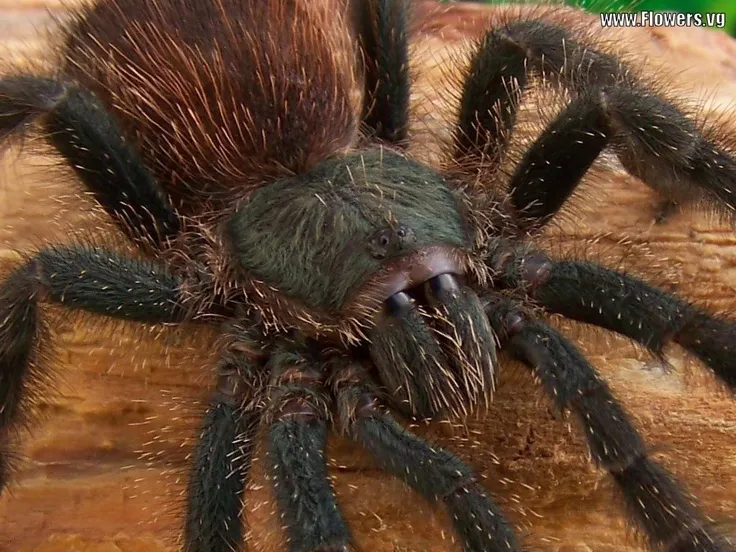
Tarantula Care Top 7 Tips for Beginners
Bringing a tarantula into your home can be an incredibly rewarding experience. These fascinating creatures offer a unique glimpse into the world of invertebrates, and their relatively low-maintenance care makes them appealing pets for many. However, successful tarantula ownership requires understanding their specific needs and providing the right environment. This guide provides seven essential tips to help beginners navigate the world of tarantula care, ensuring both your and your new pet’s well-being. From enclosure setup to feeding and handling, these tips will equip you with the knowledge you need to create a thriving habitat for your eight-legged friend.
Choosing the Right Tarantula
Not all tarantulas are created equal, especially for beginners. Some species are more docile, easier to care for, and less prone to defensive behaviors than others. Before you even think about bringing a tarantula home, take the time to research different species and identify those that are best suited for your experience level and lifestyle. Consider their size, temperament, venom potency (though most tarantula venom is not lethal to humans), and specific care requirements before making a choice. Researching different species is crucial for a happy and healthy tarantula. This initial research helps you choose a species that aligns with your expectations and ability to provide appropriate care.
Researching Different Tarantula Species

Dive deep into the specifics of various tarantula species. Online resources, books, and experienced keepers are invaluable sources of information. Learn about the typical size, lifespan, and natural habitat of each species you’re considering. Pay close attention to temperament descriptions. Some species, like the Chilean Rose Hair Tarantula, are known for their relatively docile nature, making them good choices for beginners. Others, like the Gooty Sapphire Ornamental, are known for being more defensive and best suited for experienced keepers. Understanding these behavioral differences is key to a successful tarantula ownership experience. Consider the cost of each species, including the initial purchase price and ongoing care expenses such as enclosure, substrate, and food.
Considering Your Experience Level
Be honest with yourself about your experience. If you’re new to invertebrates, start with a species known for its beginner-friendliness. Don’t be tempted by the allure of a more exotic or aggressive species if you lack the knowledge and experience to handle it safely. More experienced keepers might be able to handle some complex species but beginners are better off with less challenging ones. Begin with a species that is generally docile and has less stringent environmental requirements. This will give you time to learn the basics of tarantula care, allowing you to build your knowledge and confidence before moving on to more demanding species. Always prioritize safety and your pet’s well-being.
Setting Up the Perfect Enclosure
The enclosure is your tarantula’s home, and a properly designed habitat is crucial for its health and happiness. The right enclosure provides safety, security, and the appropriate environment for your tarantula to thrive. It needs to replicate their natural environment as closely as possible. There are several aspects of tarantula enclosure setup, all of which should be carefully considered. This includes the size and type of enclosure, the substrate used, and the inclusion of hides and other enrichment items that will help your tarantula feel safe and secure.
Selecting the Right Size and Type

The size of the enclosure should be appropriate for the tarantula’s size. A general guideline is to provide an enclosure that is approximately three times the tarantula’s leg span in width. The height of the enclosure depends on the species; terrestrial tarantulas don’t need tall enclosures, while arboreal species require height for climbing. Choose enclosures made from clear plastic or glass, allowing you to easily observe your tarantula. Ensure the enclosure has a secure, escape-proof lid. The lid should have ventilation holes to promote air circulation, but the holes should be small enough to prevent the tarantula from escaping. Consider the material and design of your enclosure and make sure it provides proper ventilation and security.
Providing Proper Substrate and Hides
The substrate is the material on the bottom of the enclosure that provides a surface for the tarantula to walk on and burrow in. The type of substrate you use will depend on the species. For terrestrial tarantulas, a mix of coconut fiber, peat moss, and a little bit of vermiculite works well. Arboreal tarantulas can often use the same mix, though they may appreciate more vertical space and the addition of cork bark to climb on. Provide hides, such as cork bark, half logs, or artificial plants, where your tarantula can retreat to feel secure. These hides provide a safe space and reduce stress. Make sure the hides are stable and won’t collapse, potentially harming your tarantula. Regular cleaning and spot-cleaning of the substrate is also important.
Maintaining Optimal Temperature and Humidity
Tarantulas are ectothermic, meaning they rely on their environment to regulate their body temperature. Maintaining the correct temperature and humidity levels is crucial for their health, molting, and overall well-being. These environmental factors should be monitored and adjusted as needed to replicate their natural habitats. Using the right tools to measure, control, and monitor temperature and humidity is crucial to your tarantula’s health.
Temperature Requirements for Tarantulas

Most tarantula species thrive in temperatures between 75-85°F (24-29°C). The specific temperature requirements can vary slightly depending on the species. Use a thermometer to monitor the temperature inside the enclosure. Avoid placing the enclosure in direct sunlight or near heat sources that could cause the temperature to fluctuate dramatically. Use a heat mat or a ceramic heat emitter to provide supplemental heat if necessary. However, always monitor the temperature carefully to prevent overheating, which can be fatal. Place the heat source on the side of the enclosure, not directly under it, to prevent the tarantula from burrowing to the heat source.
Humidity Needs for a Healthy Habitat
Humidity requirements vary by species, but most tarantulas prefer humidity levels between 60-80%. Use a hygrometer to monitor the humidity levels inside the enclosure. You can increase humidity by misting the enclosure with dechlorinated water. Provide a shallow water dish that is easily accessible. Ensure the water dish is always filled with fresh water. Avoid over-misting, as this can lead to mold growth and other problems. Regularly check the substrate for dryness, and adjust your misting schedule accordingly. Proper humidity levels are vital for the tarantula’s molting process.
Feeding Your Tarantula Correctly
Feeding is a critical aspect of tarantula care. Proper nutrition is essential for their growth, health, and longevity. Overfeeding can be as detrimental as underfeeding, so it’s important to understand the appropriate feeding frequency and the right prey items for your species. This will help you maintain a healthy tarantula.
Choosing Appropriate Prey Items

The most common food source for tarantulas is live insects. Crickets, mealworms, dubia roaches, and other insects are readily available and provide the necessary nutrients. The size of the prey should be appropriate for the size of the tarantula. Generally, the prey should be no larger than the tarantula’s abdomen. Ensure the prey is gut-loaded before feeding it to your tarantula. Gut-loading involves feeding the insects nutritious food, so they pass those nutrients on to your tarantula. Avoid feeding your tarantula insects that have been exposed to pesticides or insecticides, as these can be harmful. Variety in diet is also beneficial, offering different insect types can provide a broader range of nutrients.
Feeding Frequency and Portion Sizes
Feeding frequency depends on the tarantula’s age and metabolism. Spiderlings (juvenile tarantulas) should be fed more frequently, typically every other day. Adult tarantulas can be fed less often, usually once or twice a week. Observe your tarantula’s feeding habits. If it refuses food, it may be in pre-molt or not hungry. Remove uneaten prey items after 24 hours to prevent them from stressing or potentially harming the tarantula. Monitor the tarantula’s abdomen to assess its condition; a well-fed tarantula will have a plump abdomen. Adjust the feeding frequency and portion sizes accordingly. Offer different amounts of food as your tarantula grows and evolves.
Handling Your Tarantula Safely
While some tarantula species are relatively docile, handling should always be approached with caution. Tarantulas are not generally cuddly pets, and handling them can be stressful for both you and the spider. Understanding their temperament and following proper handling techniques is key to ensuring a safe and positive experience.
Understanding Tarantula Temperament

Different tarantula species have different temperaments. Some are more docile and tolerant of handling, while others are more defensive and prone to biting or flicking urticating hairs (tiny hairs that can cause irritation). Research the temperament of your specific species. Even docile tarantulas can bite if they feel threatened. Observe your tarantula’s behavior before attempting to handle it. If it appears stressed or defensive, it’s best to leave it alone. Tarantulas use body language to communicate their mood. Learn to identify signs of stress, such as raising their front legs, fangs bared, or flicking hairs, and adjust your actions accordingly.
Handling Techniques and Precautions
If you choose to handle your tarantula, do so with extreme caution. Handle the tarantula over a soft surface, such as a bed or the floor, in case it falls. Never handle a tarantula if you are not comfortable or feel rushed. Use a soft brush to gently coax the tarantula onto your hand. Avoid sudden movements. Let the tarantula walk onto your hand on its own. Always wash your hands thoroughly before and after handling your tarantula. Be aware of the potential for bites, and avoid handling if you have any open wounds on your hands. Do not handle tarantulas when you have just used hand lotions or any scented products, as these can harm the spider. Be prepared to react calmly if the tarantula moves quickly. Always prioritize the spider’s well-being.
Monitoring Your Tarantula’s Health
Regularly monitoring your tarantula’s health is essential for early detection of any potential problems. By observing your tarantula’s behavior, eating habits, and overall appearance, you can identify signs of illness or stress. This early detection can significantly improve the chances of a successful intervention and recovery. Pay attention to the small details of your tarantula and use that information to ensure it stays healthy.
Recognizing Signs of Illness or Stress

A healthy tarantula is typically active, alert, and has a plump abdomen. Watch for changes in behavior. If your tarantula stops eating, becomes lethargic, or appears uncoordinated, it could be a sign of illness. Look for physical abnormalities. Examine the tarantula for any unusual spots, lesions, or deformities. Inspect its fangs, chelicerae, and legs for any damage. Observe the enclosure conditions. Ensure the temperature and humidity levels are within the appropriate range. Poor conditions can contribute to health problems. Look for signs of mites or other parasites. Regularly check for any unusual growths or changes in the tarantula’s body. Check the substrate for mold or other signs of poor hygiene, and make sure the tarantula has access to fresh water at all times.
Seeking Veterinary Care When Necessary
If you notice any signs of illness or stress, consult with a veterinarian who specializes in exotic animals. Not all veterinarians have experience with tarantulas. Research and find a vet in your area who has experience with arachnids. Be prepared to provide the vet with information about the tarantula’s species, age, enclosure setup, and diet. Describe the symptoms you have observed in detail. Follow the vet’s instructions carefully. Administer any medications or treatments as directed. Isolate the tarantula from other pets, if applicable, to prevent the spread of disease. Provide supportive care, such as maintaining appropriate temperature and humidity levels and offering a nutritious diet. Regular check-ups, although not always feasible, can help catch issues early.
Cleaning and Maintaining the Enclosure
Maintaining a clean enclosure is vital for your tarantula’s health and hygiene. Regular cleaning helps to prevent the buildup of waste, mold, and bacteria, creating a healthy environment for your pet. A clean enclosure not only benefits the tarantula’s health but also enhances the overall aesthetic appeal of your setup.
Regular Cleaning Schedule
Establish a regular cleaning schedule to maintain a hygienic environment. Spot-clean the enclosure at least once a week. Remove any uneaten prey, feces, and other debris. Clean the water dish regularly, replacing the water with fresh water. Replace the substrate periodically, depending on the type of substrate and the species. For example, the substrate for a terrestrial tarantula might need replacement every few months. Use appropriate cleaning products. Avoid harsh chemicals or cleaning agents that could be toxic to your tarantula. Use a mild soap and water solution to clean the enclosure. Rinse the enclosure thoroughly to remove any residue. Observe and adjust your cleaning schedule as needed. Monitor the enclosure’s cleanliness and adjust the frequency of cleaning accordingly. A well-maintained enclosure is fundamental to the health of your tarantula.
Substrate Replacement and Maintenance
The substrate requires regular maintenance to ensure it remains clean and healthy. Spot-clean the substrate weekly, removing any waste and debris. Replace the substrate entirely, depending on the type of substrate, every few months. When replacing the substrate, remove the tarantula from the enclosure, placing it in a temporary container. Dispose of the old substrate safely. Add fresh, clean substrate to the enclosure. Ensure the new substrate is the correct type for your tarantula species. Maintain the substrate’s moisture content appropriately. Mist the substrate with water, and monitor humidity. Prevent mold growth by maintaining proper ventilation. Regularly inspect the substrate for signs of mold or pests, and address any issues promptly. Regular substrate maintenance is a crucial part of ensuring a healthy and habitable enclosure for your tarantula.
Caring for a tarantula is a rewarding experience. By following these seven key tips for beginners - choosing the right species, setting up the perfect enclosure, maintaining the correct temperature and humidity, feeding your tarantula correctly, handling your tarantula safely, monitoring your tarantula’s health, and cleaning and maintaining the enclosure - you can ensure your tarantula thrives and provides you with years of enjoyment. Remember that research and attention to detail are crucial for successful tarantula ownership, and always prioritize the well-being of your eight-legged companion. Enjoy the journey of learning and discovery that comes with owning these fascinating creatures!