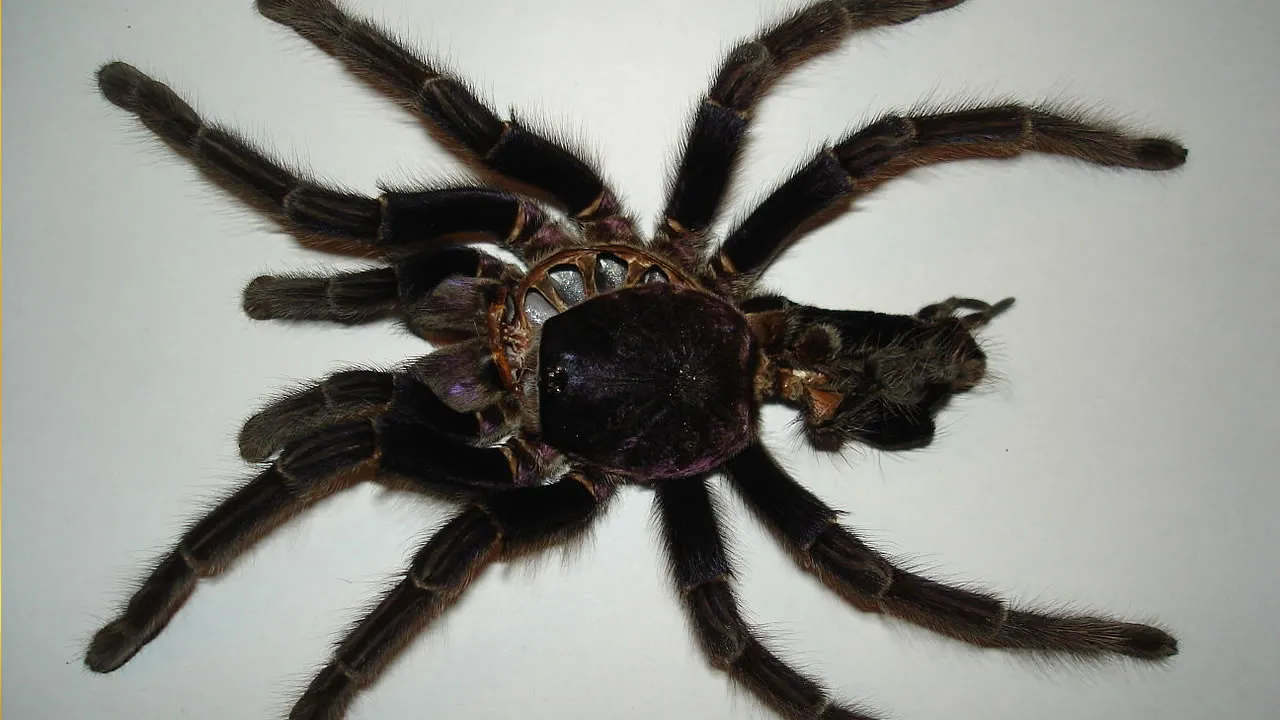
Top 5 Tarantula Diseases Facts
Keeping a tarantula as a pet can be a rewarding experience, but it’s crucial to understand the potential health issues that can affect these fascinating creatures. Tarantulas, like any living organism, are susceptible to various diseases and ailments. Recognizing these diseases early and knowing how to prevent and treat them is vital for the well-being and longevity of your pet. This guide will explore the top five most common diseases affecting tarantulas, providing you with essential information to ensure your arachnid companion thrives. Understanding the causes, symptoms, and treatments of these diseases is the first step in responsible tarantula ownership. The goal is to equip you with the knowledge to maintain a healthy environment and identify problems before they become severe. Let’s delve into the world of tarantula health and discover how to keep your eight-legged friend happy and healthy.
Fungal Infections
Fungal infections are a significant threat to tarantulas, often stemming from poor environmental conditions. High humidity and inadequate ventilation create an ideal breeding ground for fungal spores. These infections can rapidly spread, leading to severe health problems. Identifying the signs of a fungal infection early is crucial for effective treatment and preventing further complications. Fungal infections can be challenging to treat, so prevention is always the best approach. Regularly monitoring the environment within the enclosure and implementing preventative measures will greatly reduce the risk of your tarantula contracting a fungal disease. The use of a proper substrate and maintaining a balanced humidity level are vital for the health of your tarantula.
Symptoms of Fungal Infections

The symptoms of fungal infections in tarantulas can vary, but some common indicators include discoloration of the exoskeleton, lethargy, and loss of appetite. You might also observe lesions or patches on the spider’s body. In advanced cases, the infection can spread internally, leading to a decline in overall health. A tarantula infected with a fungus might also show signs of difficulty molting. If you notice any of these symptoms, it’s essential to act quickly. Early detection can make a significant difference in the outcome of treatment. Regular observation of your tarantula’s behavior and appearance will help you detect potential issues early on, improving the chances of successful intervention. The sooner you identify the symptoms, the better the chances of your tarantula recovering.
Prevention and Treatment of Fungal Infections
Preventing fungal infections involves maintaining a clean and well-ventilated enclosure. Regularly replace the substrate, and ensure that the humidity levels are appropriate for your tarantula species. Avoid overwatering, as this can contribute to excessive humidity. If a fungal infection is detected, immediate treatment is necessary. Isolate the affected tarantula and consult with a veterinarian or experienced tarantula keeper. Treatment options might include antifungal medications or environmental adjustments. Proper hygiene is critical in the prevention and treatment of fungal infections. The use of a sterile environment and appropriate medications can significantly improve the chances of recovery. Always follow the guidance of a professional when treating a fungal infection.
Bacterial Infections
Bacterial infections in tarantulas often result from wounds or injuries, which can provide entry points for bacteria. Contaminated environments and poor hygiene practices can also contribute to the development of these infections. The presence of harmful bacteria within the enclosure poses a serious threat to the tarantula’s health. Addressing these issues requires a proactive approach, focusing on maintaining a sterile environment and providing immediate care for any injuries your tarantula might sustain. A tarantula’s health is directly related to the cleanliness and sanitation of its habitat. The risk of infection can be significantly reduced by implementing a rigorous cleaning protocol.
Causes of Bacterial Infections

Bacterial infections are often caused by injuries, such as cuts or bites, that become contaminated with bacteria. Poor hygiene within the enclosure can also contribute to the spread of bacteria. Using unsterilized tools or materials during maintenance can introduce harmful bacteria. The conditions within the habitat, including temperature and humidity, can affect bacterial growth. Understanding the root causes of bacterial infections is key to preventing them. Proper sanitation and the use of sterile equipment are crucial for minimizing the risk of infection. Furthermore, promptly addressing and disinfecting any wounds will help safeguard your tarantula’s health.
Signs of Bacterial Infections
Signs of bacterial infections in tarantulas include lethargy, loss of appetite, and swelling or discoloration around the injury site. You may also observe pus or other discharge. Infected tarantulas can exhibit unusual behaviors, such as lack of movement or difficulty walking. Recognizing these symptoms early is essential for initiating treatment. Prompt intervention can improve the chances of a successful recovery. If you observe any of these signs, consult a veterinarian or experienced tarantula keeper immediately. Identifying the signs of infection is the first step toward treating your tarantula effectively. Quick action can prevent the infection from worsening and reduce the risk of complications.
Treating Bacterial Infections
Treating bacterial infections may involve antibiotic medications prescribed by a veterinarian. It’s essential to isolate the infected tarantula and maintain a clean environment. The enclosure should be disinfected, and any contaminated materials should be replaced. Follow the veterinarian’s instructions carefully when administering medication. Providing proper supportive care, such as maintaining optimal temperature and humidity levels, can also aid in recovery. Antibiotics and environmental control are essential components of bacterial infection treatment. Always adhere to the prescribed dosage and duration of the medication. Careful monitoring of your tarantula’s condition is crucial throughout the treatment process.
Viral Infections in Tarantulas

Viral infections in tarantulas are less well-understood compared to fungal and bacterial infections, but they can be a serious threat. Research into viral diseases affecting tarantulas is ongoing, but some viruses have been identified. Transmission can occur through various means, including contact with infected individuals or contaminated environments. Viral infections often have no specific cure, and treatment focuses on supportive care. Prevention through maintaining a healthy environment is crucial. The best strategy for managing viral infections is to focus on preventing their transmission and providing the best possible environment for the tarantula to recover or to minimize the impact of the illness.
Understanding Viral Infections
Viral infections involve the invasion and replication of viruses within the tarantula’s cells. These infections can affect various body systems, leading to a range of symptoms. Symptoms may include lethargy, loss of appetite, and unusual behaviors. The impact of a viral infection can vary based on the specific virus and the overall health of the tarantula. Diagnostic testing is often required to confirm a viral infection. Understanding the fundamental aspects of viral infections will enable you to provide the best possible care for your pet tarantula. Proper understanding of viral diseases allows you to take proactive measures to minimize the risk of exposure and infection.
Preventing Viral Infections
Preventing viral infections involves maintaining a clean and stress-free environment for your tarantula. Quarantine new arrivals to prevent the introduction of potential pathogens. Avoid contact with other tarantulas that may be infected. Proper hygiene practices are essential to minimize the risk of transmission. A proactive approach is crucial to minimize the chances of exposure to viral infections. By taking precautions and implementing preventative measures, you can significantly increase the chances of your tarantula remaining healthy and disease-free. Always practice the highest standards of hygiene when handling tarantulas and their enclosures.
Parasitic Infections

Parasitic infections in tarantulas are caused by various parasites, such as mites and nematodes, that infest the spider’s body or environment. These parasites can cause significant health problems. They can range from mild irritation to severe disease, depending on the type and severity of the infestation. Recognizing the symptoms of parasitic infections is critical for timely intervention. Regular monitoring and preventive measures are essential for controlling parasitic infections. A thorough understanding of parasites and their effects on tarantulas will enable you to provide the most effective care for your pet. Early detection is key to successful treatment and the well-being of your tarantula.
Common Parasites Affecting Tarantulas
Mites are a common type of parasite that can infest tarantulas, causing irritation and potential disease. Nematodes are another type of parasite that can affect tarantulas, often living in the substrate. The type of parasite and its mode of infestation will influence the specific symptoms and treatment approaches. Identifying the specific parasite is essential for effective treatment. Knowing the types of parasites that affect tarantulas enables you to recognize signs of infestation quickly. Mites can often be seen with the naked eye or a magnifying glass, while nematodes might require microscopic examination. The common parasites that plague tarantulas include mites and nematodes. Understanding the specific parasite is the first step toward treating an infestation effectively.
Identifying Parasitic Infections
Identifying parasitic infections involves looking for specific symptoms, such as mites on the tarantula’s body or in the enclosure. Unusual behavior, such as excessive grooming or rubbing, may also indicate a parasitic infestation. You might also notice the tarantula’s lethargy, or a lack of appetite. Regular observation of your tarantula’s behavior is essential for early detection. Regular inspections of the enclosure and the tarantula’s body will allow you to detect signs of infestation early. Early detection of these parasites will enhance the chances of successful treatment. Addressing the infestation in its early stages makes a significant difference in the treatment’s overall success.
Treating Parasitic Infections

Treating parasitic infections involves removing the parasites and addressing the underlying cause. Treatment options may include special mite sprays, substrate replacement, or veterinary treatments. The treatment approach will depend on the type and severity of the parasitic infection. Consult a veterinarian or experienced tarantula keeper for advice on the best course of action. Maintaining cleanliness and providing a healthy environment will help prevent future infestations. Proper treatment will improve the chances of your tarantula’s recovery. Thoroughly clean the enclosure and replace the substrate to remove any remaining parasites. Consistent monitoring will help prevent future infestations and ensure the continued well-being of your tarantula.
Nutritional Diseases
Nutritional diseases in tarantulas arise from inadequate or unbalanced diets. These deficiencies can lead to various health problems, including poor growth, weakened immune systems, and molting issues. Ensuring your tarantula receives a well-balanced diet is crucial for preventing nutritional deficiencies. The diet of a tarantula can significantly influence its overall health and longevity. Offering a balanced diet will minimize the risk of your tarantula developing a nutritional disease. Provide your tarantula with a variety of insects or other appropriate foods to ensure it receives all the necessary nutrients. You should always do research to ensure that your tarantula species is receiving the best possible nutrition.
Causes and Symptoms of Nutritional Deficiencies
Nutritional deficiencies can result from feeding your tarantula a diet that lacks essential nutrients, such as vitamins, minerals, or protein. Symptoms of nutritional deficiencies can vary, but common signs include poor growth, weak legs, and difficulties during molting. Your tarantula’s overall health can provide an indication of a nutritional deficiency. Recognize early signs of these deficiencies, and address them promptly to prevent long-term health issues. Pay close attention to your tarantula’s appearance and behavior. Changes in your tarantula’s health could signal underlying nutritional problems. Early intervention can prevent the condition from worsening.
Preventive Measures and Dietary Adjustments

Preventive measures include offering a varied diet of insects or other appropriate prey items. Supplementing the diet with vitamins or minerals may be necessary, depending on your tarantula’s needs. Research the specific dietary requirements of your tarantula species. Adjusting the diet can help to correct nutritional deficiencies. Providing a diet that is enriched with essential nutrients ensures that your tarantula gets all the vitamins and minerals it needs. Provide your tarantula with a balanced diet to ensure it stays healthy. Ensure that the prey items you offer are also properly fed and gut-loaded to maximize their nutritional value for your tarantula. A well-balanced diet contributes significantly to your tarantula’s overall health and longevity. Regularly monitor your tarantula’s health and adjust the diet accordingly.
In conclusion, understanding and addressing the diseases that can affect tarantulas is essential for responsible pet ownership. By being aware of the top five common diseases – fungal, bacterial, viral, parasitic, and nutritional – you can take proactive steps to ensure your tarantula’s health and well-being. Remember to maintain a clean and appropriate environment, provide a balanced diet, and regularly observe your tarantula for any signs of illness. Early detection and intervention are crucial for successful treatment. If you suspect your tarantula is ill, consult a veterinarian or experienced tarantula keeper immediately. With the right knowledge and care, you can enjoy a long and healthy relationship with your fascinating eight-legged friend. Prioritize preventative measures and seek expert advice when needed to ensure your tarantula thrives.