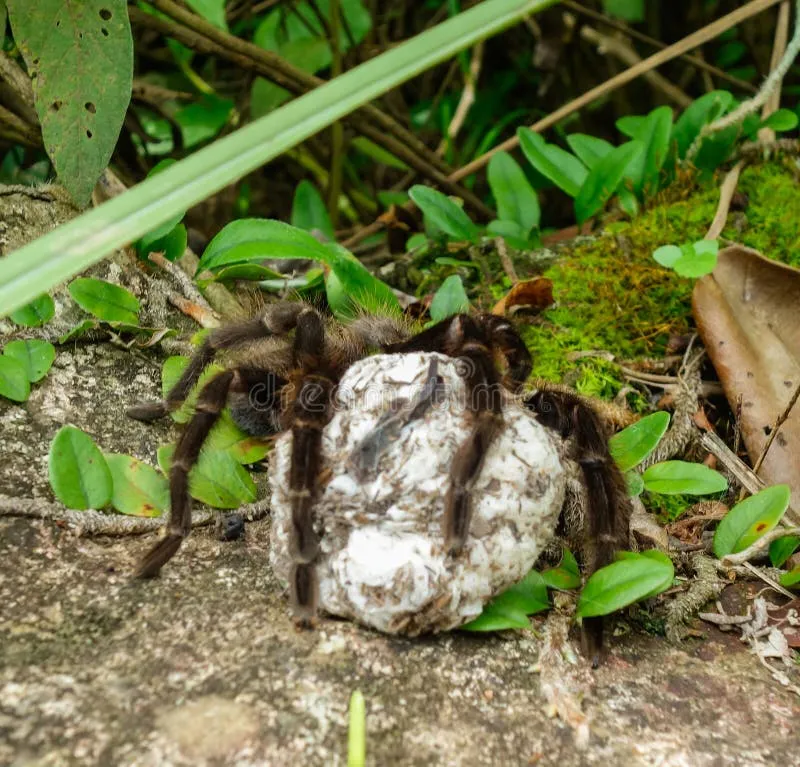
What is a Tarantula Egg Sac
A tarantula egg sac is a remarkable structure created by the female tarantula to protect and incubate her eggs. These sacs are crucial for the survival of the spiderlings, providing a safe environment until they are ready to hatch. Understanding what an egg sac is and its role in the tarantula life cycle is the first step in appreciating the process, and if you are considering buying one, understanding the basics is essential. These sacs are not just containers; they are complex biological marvels designed to nurture and protect developing spider embryos from environmental hazards and predators.
Understanding the Basics
The female tarantula creates the egg sac shortly after mating, carefully weaving a silken pouch around her fertilized eggs. The size and appearance of the egg sac can vary depending on the tarantula species, but they generally resemble a ball or a flattened disc. Inside this protective cocoon, the eggs develop, undergoing a series of molts before they emerge as tiny spiderlings. The egg sac is a critical component of the tarantula’s reproductive strategy, ensuring the survival of the next generation. Careful handling is crucial for the sac’s integrity.
Composition and Function

Egg sacs are made of silk, a protein fiber spun by the tarantula. The silk provides insulation, protection from physical damage, and a barrier against environmental factors like moisture loss. The egg sac’s primary function is to regulate the environment within, maintaining optimal conditions for the developing eggs. The female tarantula meticulously cares for the sac, often turning it to ensure even development and protect the eggs from harm. They are responsible for the survival of all eggs inside the egg sac. Furthermore, the structure allows for gas exchange, providing oxygen to the developing embryos while removing carbon dioxide.
Identifying a Healthy Egg Sac
A healthy egg sac has a firm, uniform structure without any visible holes or damage. The color can vary depending on the species, but it should appear clean and free of mold or discoloration. If you are considering purchasing an egg sac, look for one that is relatively fresh, indicated by the overall firmness and the absence of any signs of decay. A healthy egg sac will have a consistent appearance throughout. You can gently examine the egg sac without causing any harm; however, it is best to leave it alone to keep the developing spiderlings safe. Any changes in shape or appearance could indicate a problem, so look for a reputable seller.
Key Factors to Consider Before Buying
Species and Availability

Different tarantula species have different egg sac production and care requirements. Some species are more commonly available than others, and the price of an egg sac can vary significantly based on rarity. Research the species thoroughly before purchasing, including their specific needs for incubation and the care of the spiderlings. Popular species include the Mexican Red Knee and the Chilean Rose, but the availability of egg sacs can change. Consider the species’ temperament and care needs; this will affect your ability to successfully raise the spiderlings. Additionally, check the local laws regarding tarantula ownership.
Seller Reputation
Always buy from reputable breeders or sellers who have a proven track record of providing healthy egg sacs and excellent customer service. Check online reviews, ask for references, and ensure the seller is knowledgeable about tarantula care. A reputable seller will be transparent about the egg sac’s age, the species, and any relevant care information. They will also be willing to answer your questions and provide support after the sale. Avoid sellers who cannot provide detailed information or who have a history of poor reviews. Verify the seller’s experience by asking for images of their operation and reading testimonials from previous customers.
Egg Sac Condition
Inspect the egg sac closely before purchasing. Look for any signs of damage, mold, or discoloration. Ensure the egg sac is intact and appears firm, not soft or squishy. Ask the seller about the egg sac’s age and how it has been stored. Ideally, you want to purchase an egg sac that is as fresh as possible, as this increases the chances of successful hatching. A reputable seller will provide you with clear information about the sac’s condition and be honest about any potential issues. Avoid any egg sacs that look questionable or that the seller is unwilling to fully describe.
Where to Find Tarantula Egg Sacs for Sale

Online Marketplaces
Online marketplaces offer a wide selection of tarantula egg sacs from various sellers. Websites like Arachnoboards are popular choices to start your search. Research sellers thoroughly before making a purchase, checking reviews and verifying their reputation. Be sure to compare prices and read descriptions carefully to understand the species and condition of the egg sac. When buying online, ensure the seller provides proper packaging and shipping to minimize damage. Also, check to see if the seller has a policy for replacing any losses during the shipping process. Consider also the shipping conditions in your area and how that might affect the egg sac.
Specialized Breeders
Specialized breeders are often the best source for high-quality tarantula egg sacs. They are experienced in breeding and raising tarantulas and can provide valuable advice and support. Look for breeders who specialize in the species you are interested in. Their experience translates to better odds of a successful hatch and healthy spiderlings. Breeders can often provide detailed information on the egg sac’s history, the parent tarantulas, and the care required. While egg sacs from breeders may be more expensive, the investment is often worth it for the quality and support they offer.
Local Pet Stores

Some local pet stores that specialize in exotic pets may occasionally have tarantula egg sacs for sale. This can be a convenient option, allowing you to see the egg sac in person and discuss your needs with the staff. However, the selection may be limited, and it is essential to check the staff’s experience with tarantulas. Ensure the store is reputable and takes good care of its animals. Buying from a local pet store may also allow you to avoid shipping costs. Consider any past experiences others may have had with the store to ensure they follow best practices.
Caring for a Tarantula Egg Sac
Incubation Environment
Creating the right environment is crucial for the successful incubation of a tarantula egg sac. The egg sac should be kept in a stable environment with controlled temperature and humidity levels. A small incubator or a well-ventilated container can be used for this purpose. Avoid direct sunlight and temperature fluctuations. Maintain the correct conditions to ensure the eggs develop properly and the spiderlings hatch successfully. Consider a thermometer and hygrometer to monitor conditions constantly. Proper incubation can increase the odds that many of the eggs will hatch.
Temperature and Humidity

The ideal temperature and humidity levels for incubating a tarantula egg sac vary depending on the species. Research the specific requirements for your tarantula species. Generally, temperatures between 75-85°F (24-29°C) and humidity levels of 70-80% are recommended. Use a thermometer and hygrometer to monitor the conditions closely. Too much or too little humidity or an incorrect temperature can negatively impact the eggs. Adjust the environment as needed to maintain the correct range. Be aware that some species require slightly different conditions.
Monitoring and Maintenance
Regular monitoring is essential during the incubation period. Check the egg sac regularly for any signs of mold, damage, or unusual changes in appearance. Gently turn the egg sac occasionally to ensure even development. Maintain the appropriate temperature and humidity levels and make adjustments as needed. Avoid excessive handling, as this can damage the eggs. If any issues arise, consult with the seller or an experienced breeder for advice. Once the spiderlings hatch, you must provide the care they need to thrive. The hatchlings need to be fed and protected.
Top 5 Things to Know Before Buying
Legality and Ethical Considerations

Before purchasing a tarantula egg sac, familiarize yourself with the local laws regarding exotic pet ownership. Some species may be restricted or prohibited in your area. Consider the ethical implications of breeding tarantulas, including the responsibility of caring for the spiderlings and ensuring their well-being. If you are not prepared to care for the spiderlings after they hatch, consider whether purchasing an egg sac is the right choice for you. Ensure that you will have homes for the spiderlings or can find responsible owners. Always prioritize the health and welfare of the tarantulas.
Quarantine Procedures
Once you receive your egg sac, it is crucial to quarantine it from your other tarantulas or pets. This helps prevent the spread of potential diseases or parasites. Keep the egg sac in a separate enclosure and monitor it closely. Maintain the appropriate temperature and humidity levels for the species. Following quarantine, you can introduce the spiderlings to their new enclosures. Quarantine should last for a minimum of 30 days, even if the egg sac appears healthy. Ensure the environment remains stable during this quarantine period.
Post-Purchase Care
After purchasing an egg sac, you will need to be prepared for the arrival of spiderlings. Have suitable enclosures and supplies ready, including small containers, substrate, water dishes, and appropriately sized prey. Research the specific dietary needs of the species. Spiderlings will require frequent feeding, which may involve fruit flies or pinhead crickets. Provide a clean environment and monitor the spiderlings’ growth and development. Being prepared is key to ensuring the health of your spiderlings. Make sure you have the proper food and housing.
Potential Challenges
Buying a tarantula egg sac can present several challenges. There is always the risk that the egg sac may not hatch, or the spiderlings may not survive. Improper incubation, disease, or environmental factors can affect the success rate. Another challenge is finding suitable homes for the spiderlings if you end up with a large brood. It is essential to be patient and prepared for potential setbacks. Research and prepare for these challenges. If you are new to tarantula keeping, consider starting with a single spiderling before moving on to breeding. Understand that not every egg sac will lead to success.