Are Black Spots in Bananas Tarantula Eggs? The Truth
The internet is full of bizarre theories, and one that has circulated for years involves bananas and tarantula eggs. The claim is that those small, black spots you sometimes see on bananas are, in fact, tarantula eggs. This, of course, is a myth. It’s time to debunk this strange idea and delve into the real reasons behind those black spots, exploring the science, and addressing some common misconceptions. So, are black spots in bananas tarantula eggs? The answer is a resounding no. Let’s find out the truth.
What Causes Black Spots in Bananas?
The black spots on bananas are primarily caused by the natural ripening process, though other factors can play a role. The spots are localized areas of enzymatic browning. This happens when the banana’s cell walls break down, releasing enzymes that react with phenolic compounds, creating those dark blemishes. This process is accelerated by various factors, including temperature, handling, and bruising. The black spots are a sign that the banana is breaking down and will eventually spoil, but it’s still perfectly safe to eat in the early stages. The development of black spots is a visual indicator of a change in the fruit’s texture and sweetness.
Ripening Process and Black Spots

As bananas ripen, their starch converts into sugar, making them sweeter. Ethylene gas, a natural plant hormone, drives this ripening. The black spots are a sign of the breakdown of chlorophyll, and the production of other pigments, creating the yellow color that can be found on a ripening banana, and the spots. The ripening process starts slowly but speeds up as the banana ages. This natural process leads to the familiar changes in texture, taste, and appearance. The black spots become more numerous and pronounced as the banana gets softer and sweeter.
Fungal Infections Causing Black Spots
While most black spots are due to ripening, some can be caused by fungal infections like anthracnose, a common post-harvest disease. These infections manifest as dark, sunken spots on the peel and, in severe cases, can affect the fruit’s flesh. Unlike the spots from ripening, fungal infections can sometimes make the banana taste unpleasant or even cause it to rot prematurely. Proper handling and storage can minimize these infections. This is why you must check if a banana has these fungal infections, and discard them accordingly.
How to Tell if Black Spots are Actually Tarantula Eggs
The idea that black spots on bananas are tarantula eggs is easily dismissed upon closer inspection. Tarantula eggs are not typically found inside of bananas or any other fruit. Spider eggs are usually in a silk sac. The small, dark spots you see on bananas are, without a doubt, the result of the fruit’s ripening process and, in some cases, fungal infections. There is no scientific basis for the claim, and the appearance of the black spots is entirely consistent with the breakdown of the banana’s cellular structure.
Appearance and Characteristics of Tarantula Eggs

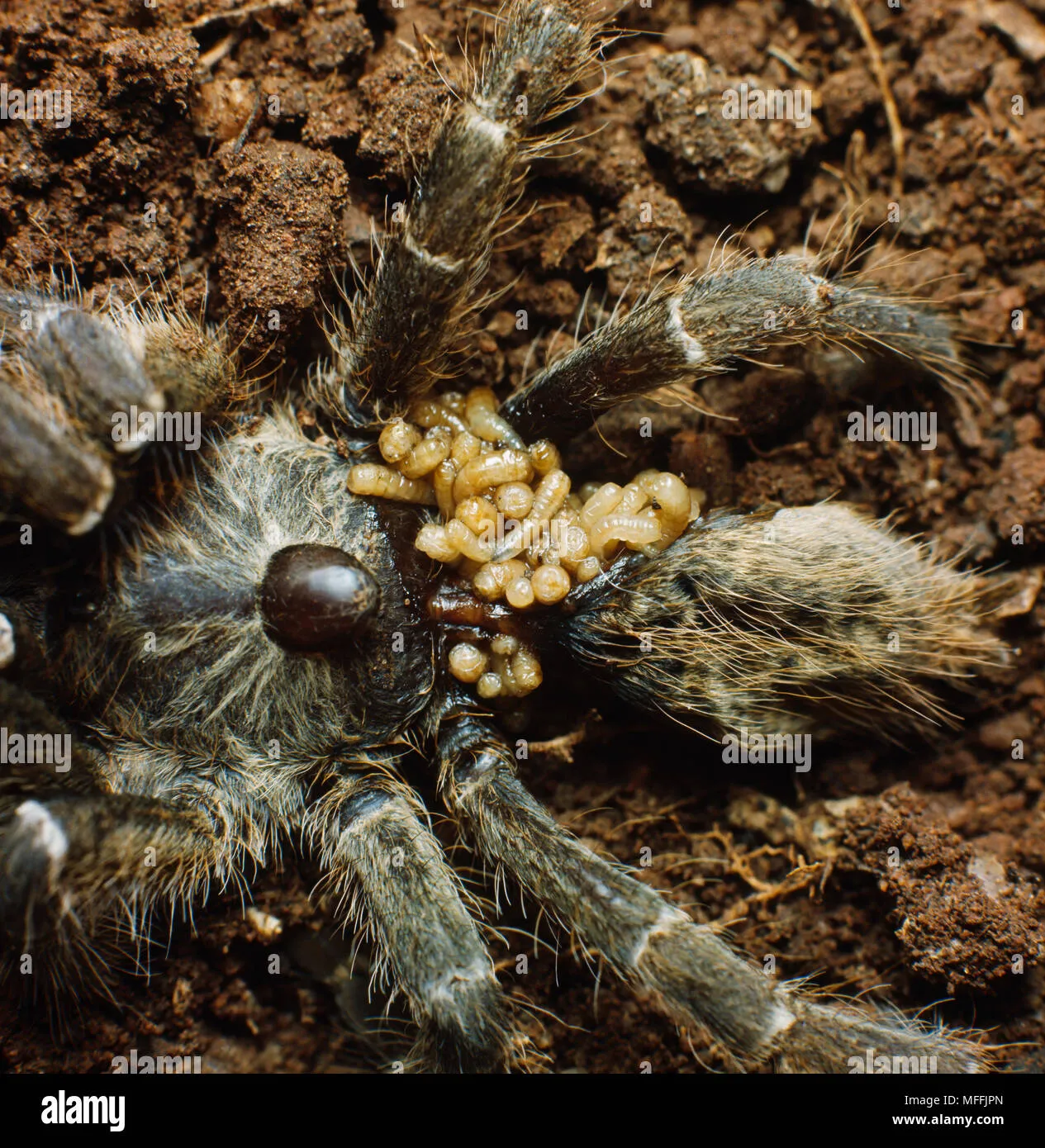
Tarantula eggs, when they exist, are found in a silken egg sac created by the female tarantula. These sacs are typically round or oval, and they contain numerous tiny eggs. These eggs are not black, and they are definitely not found in bananas or in the flesh of the fruit. It’s essential to understand that tarantulas, like other arachnids, do not lay their eggs inside of fruit. Their eggs require a protected environment. The idea is scientifically absurd, and easily debunked with basic knowledge of biology.
Comparing Black Spots and Tarantula Eggs
The differences between black spots on a banana and tarantula eggs are stark. Black spots appear as small, irregular dark patches on the banana peel. They are a natural part of the fruit’s aging. Tarantula eggs, on the other hand, are found in a distinct silken sac and are not inside of the fruit. Comparing the two, it is clear there is no comparison. The black spots on a banana are a sign of ripening. Tarantula eggs are a completely different thing altogether.
Nutritional Value of Bananas with Black Spots
Bananas with black spots are still nutritious and safe to eat. As bananas ripen, their starch converts to sugar, making them sweeter and easier to digest. The black spots themselves do not detract from the nutritional value, so you can enjoy it! In fact, some studies suggest that fully ripe bananas with black spots may have increased antioxidant levels. They provide fiber, potassium, and vitamins B6 and C. If you’re looking to get the most out of your bananas, eating them with black spots is a good choice. They are nature’s candy!
Impact of Black Spots on Taste and Texture

As bananas ripen and develop black spots, their texture becomes softer, and their taste becomes sweeter. The starch breaks down into sugars, and the fruit becomes more easily digestible. Some people prefer the taste of ripe bananas, while others prefer them slightly less ripe. The changes in texture and taste do not make the fruit unsafe to eat, and the black spots simply indicate that the banana is at its peak ripeness. Enjoy it as is or use it in smoothies, baked goods, or other recipes to fully utilize its flavor and texture.
Can You Eat Bananas with Black Spots?
Yes, you can absolutely eat bananas with black spots. They are perfectly safe and often tastier than unripe bananas. The black spots are a sign of ripeness and do not indicate spoilage. If the banana is soft, has a strong smell, or shows signs of mold, it may be overripe and should be discarded. However, bananas with black spots are often the perfect choice for baking, smoothies, or eating as is. The sweetness and softness make them a great addition to recipes.
Top 5 Facts about Banana Black Spots
Fact 1 The Science Behind the Spots

Black spots are a result of enzymatic browning caused by the breakdown of the banana’s cell walls and the release of enzymes. This process leads to the oxidation of phenolic compounds. The process is natural and is part of the ripening process, and the spots are not harmful.
Fact 2 The Role of Ethylene Gas
Ethylene gas is a natural hormone that triggers the ripening of bananas. It causes the conversion of starch into sugar, changes the texture of the fruit, and contributes to the appearance of black spots. This gas is produced naturally by the banana itself, but it can be influenced by external factors, such as temperature.
Fact 3 The Impact of Temperature
Temperature plays a crucial role in the ripening process. Warmer temperatures accelerate the production of ethylene gas and speed up the appearance of black spots. Storing bananas in the refrigerator can slow down the ripening process, while leaving them at room temperature will speed it up. Knowing these factors, you can control the ripening of your bananas based on your needs.
Fact 4 The Role of Bruising

Bruising can also contribute to the formation of black spots. Damage to the banana’s peel or flesh can release enzymes, leading to browning in those areas. The damage can be from the handling of the banana. Handling them gently and avoiding pressure can minimize bruising and slow down the appearance of black spots. This is an important part of making bananas last longer.
Fact 5 Safe to Eat or Not?
Bananas with black spots are generally safe to eat. The black spots themselves do not indicate that the fruit is unsafe to eat. However, if the banana is very soft, has a strong, fermented odor, or shows signs of mold, it may be overripe or starting to spoil. If in doubt, it is best to discard it. Use your judgment, and remember, the black spots alone do not mean the banana is bad.
Debunking the Tarantula Egg Myth
The Origin of the Myth

The myth likely originated from a misunderstanding of the appearance of black spots on bananas. The visual similarity of some of these spots to small objects has led to the widespread belief that they are tarantula eggs. In reality, there is absolutely no correlation between the two. It’s simply a case of mistaken identity based on superficial similarities. The myth is further fueled by the internet.
Why the Myth Persists
The myth persists because it plays on people’s fears and is easy to share and spread online. Also, people like to believe in the outlandish. Once the story gets started, it is hard to control. The story’s simplicity makes it easy to remember, and the visual aspect of the black spots makes it easy to believe. Critical thinking and access to accurate information are essential to overcoming these kinds of myths.
Other Common Banana Myths
There are several other common myths about bananas. One is that bananas are high in sugar, which can be true if they are very ripe. However, they are also a good source of fiber and other nutrients. Another myth is that bananas are bad for weight loss, which is false. They can be included as part of a healthy diet. It’s essential to rely on credible sources and to be wary of misinformation when it comes to dietary advice.
Conclusion
The claim that black spots on bananas are tarantula eggs is a myth, plain and simple. The truth is that the spots are the result of the natural ripening process, or, in some cases, fungal infections. Bananas with black spots are safe and nutritious, and you can enjoy them. Now you know the facts, you can confidently debunk this myth.