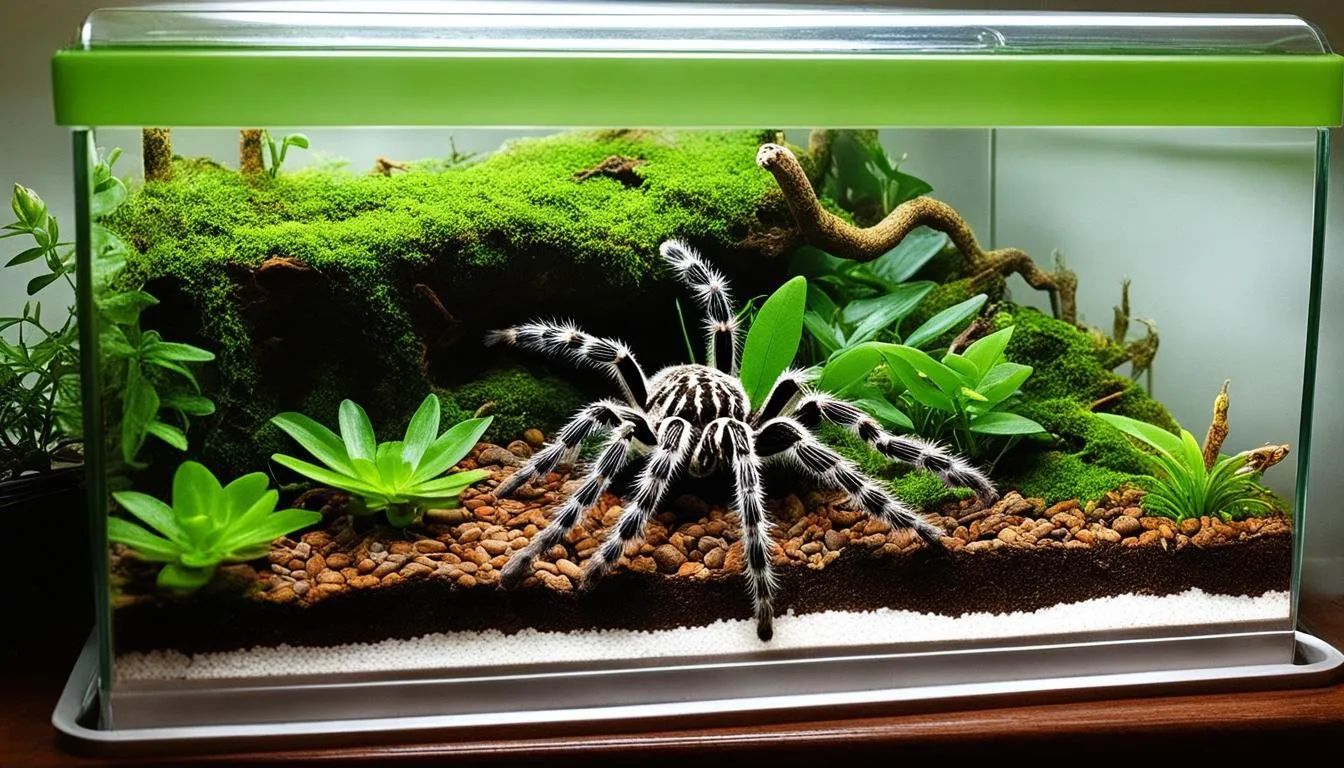
Choosing the Right Tarantula Enclosure
Setting up a tarantula enclosure is a crucial first step in providing a happy and healthy life for your eight-legged friend. The right enclosure goes beyond simply housing your tarantula; it mimics their natural environment, supports their well-being, and allows you to observe their fascinating behaviors. Selecting the appropriate enclosure size, providing the correct substrate, and maintaining optimal temperature and humidity levels are all essential elements. This guide will break down everything you need to know to create the perfect habitat for your tarantula, ensuring it thrives in its new home.
Why Enclosure Size Matters
The size of the enclosure is one of the most critical factors to consider. A too-small enclosure can restrict your tarantula’s movement and make it difficult to maintain proper environmental conditions. Conversely, a too-large enclosure, especially for younger tarantulas, can make it harder for them to find food and water and may stress them out. Finding the right balance is key, as it directly impacts your tarantula’s ability to thrive. It’s important to research the specific species of tarantula you have as their size and temperament will influence your decision-making process.
Understanding Tarantula Behavior

Tarantulas are ambush predators and often prefer to stay hidden, which is why providing a hide is essential. Understanding their natural behaviors, such as burrowing, climbing, and their need for a secure environment, helps you choose an enclosure that meets their needs. Terrestrial species generally prefer more floor space, while arboreal species need vertical space for climbing. Also consider whether the species is prone to webbing as that should affect the type of enclosure chosen to best suit their needs. Observing your tarantula will help you customize its enclosure, keeping it as happy as possible.
Impact of Enclosure Size on Molting
Molting is a natural process for tarantulas, where they shed their exoskeleton to grow. An enclosure that is too small can make molting difficult and stressful for the tarantula. They need adequate space to flip over onto their backs, which is the typical position for molting. A cramped enclosure might prevent them from doing this properly, potentially leading to health issues or a failed molt. Make sure your tarantula has ample space in its enclosure to successfully complete this vital life stage.
Top 7 Tarantula Enclosure Tips
Tip 1 Ventilation is Key

Proper ventilation is vital to prevent the buildup of harmful bacteria and mold, while also managing humidity levels within the enclosure. Stagnant air can quickly lead to respiratory problems and a generally unhealthy environment for your tarantula. The enclosure should have enough airflow to keep the air fresh without drying out the substrate too quickly. The type of ventilation needed will depend on your species, humidity preferences, and enclosure style, so consider these factors carefully when setting up the enclosure.
Importance of Cross-Ventilation
Cross-ventilation is generally achieved by having ventilation holes or mesh on opposite sides of the enclosure. This allows for a continuous flow of air, which is ideal for maintaining healthy humidity and preventing the buildup of mold. Make sure the ventilation is appropriate for your species, as some prefer higher humidity levels and will require less airflow. Consider the location of the enclosure too, as some areas may be more humid and require better ventilation to keep your tarantula enclosure from becoming too humid.
Tip 2 Substrate Selection
The substrate is the foundation of your tarantula’s habitat, providing a surface for them to walk on, burrow in, and maintain humidity. Choosing the right substrate is key to recreating your tarantula’s natural environment and ensuring they can thrive. The ideal substrate will depend on your tarantula’s species, their natural habitat, and their preferred humidity level. The depth of the substrate is also important, especially for burrowing species, as it provides them with a comfortable space to dig and hide. Remember to change the substrate regularly to maintain hygiene and prevent the build-up of mold.
Choosing the Right Substrate Type

Some popular substrate options include coco fiber, peat moss, vermiculite, and a mix of these materials. Coco fiber is a good choice for many species because it retains moisture well and is relatively mold-resistant. Peat moss is another option, though it tends to be more acidic. Consider a mix of substrate to provide the best possible conditions for your tarantula. Avoid substrates that can be harmful or toxic, like cedar shavings, and always research what’s suitable for your specific species to ensure your tarantula stays healthy.
Maintaining Proper Substrate Moisture
Maintaining the correct moisture level in the substrate is essential for your tarantula’s health, as it directly impacts their ability to molt properly. Too much moisture can lead to mold and fungal growth, while too little can make molting difficult. Mist the enclosure regularly or use a water dish to keep the substrate moist, but not saturated. Always monitor humidity levels with a hygrometer and adjust your misting schedule accordingly. Consider the needs of your tarantula species when deciding how often to mist and what kind of water dish is appropriate.
Tip 3 Providing Secure Hides
Tarantulas are naturally secretive creatures and need a secure hide to feel safe and reduce stress. Providing a hide allows them to retreat and rest, especially during molting. The hide should be large enough for the tarantula to comfortably fit inside, but not so large that it takes up too much of the enclosure’s space. The type of hide you choose will depend on the species and their preferred behavior, which is why it’s essential to research the specific tarantula you have before making any decisions.
Types of Suitable Hides

Suitable hide options include cork bark, half logs, or commercially available reptile hides. These options provide a dark and secure space where your tarantula can feel safe. Consider the size and species of your tarantula when choosing a hide; a small, terrestrial species will need a different hide than a large arboreal species. Ensure the hide is stable and won’t collapse on the tarantula. Regularly inspect the hide for any signs of mold and replace it if necessary.
Placement of Hides
The placement of the hide is just as important as the hide itself. Place the hide in a location where the tarantula can easily access it and feels safe. For terrestrial species, placing the hide on the ground is typical. Arboreal species might need a hide higher up in the enclosure. Consider your tarantula’s natural behavior and create a habitat that mimics their natural environment as closely as possible. Multiple hides can be provided so that the tarantula has options.
Tip 4 Water and Hydration
Providing access to fresh water is essential for your tarantula’s hydration and overall health. Tarantulas drink through their mouthparts, and a readily available water source helps prevent dehydration, especially during molting. Consider a water dish or a misting schedule, both of which can assist your tarantula’s health. Making sure your tarantula can stay hydrated will keep it happy and healthy.
Water Dish Options

Choose a water dish that is shallow enough to prevent your tarantula from drowning, but large enough to provide an accessible water source. The water dish should be stable and not easily tipped over. You can use a commercially available reptile water dish or a shallow dish like a bottle cap or jar lid. Ensure the dish is cleaned regularly to prevent the growth of bacteria, and provide fresh, clean water at all times. Some tarantula owners will use cotton balls and drip water into the cotton to keep the enclosure humid and provide water for the tarantula.
Misting vs. Water Dish
Misting the enclosure is another way to provide moisture and hydration. This method is especially helpful for species that prefer higher humidity levels. However, misting should not replace a water dish. A water dish offers a constant source of water, while misting is only temporary. Balance both methods based on your species’ needs. Always use dechlorinated water to mist the enclosure. Observe your tarantula’s behavior to determine the right balance of misting and a water dish for its habitat.
Tip 5 Temperature and Humidity
Maintaining the correct temperature and humidity levels is essential for your tarantula’s health and well-being. Tarantulas are ectothermic, meaning they rely on their environment to regulate their body temperature. The ideal temperature and humidity ranges will vary based on the species. Too high or too low of either can lead to stress, illness, and even death. Monitoring and adjusting these environmental factors is an ongoing process, requiring the use of specific equipment to ensure the best possible conditions for your tarantula.
Ideal Temperature Ranges

The ideal temperature range for most tarantula species is between 75°F and 85°F (24°C and 29°C). Some species may require slightly warmer or cooler temperatures. Use a thermometer to monitor the temperature inside the enclosure and adjust as needed. You can use a heat mat, a heat lamp, or simply maintain a comfortable room temperature, depending on your species’ requirements. Avoid direct sunlight, which can overheat the enclosure and potentially harm your tarantula.
Monitoring Humidity Levels
Humidity levels are equally important and should be monitored using a hygrometer. The appropriate humidity range varies depending on the species. You can adjust humidity levels by misting the enclosure, providing a water dish, or adjusting the ventilation. Ensure the humidity does not become too high, as this can promote mold and bacterial growth. Regularly check the hygrometer to ensure the ideal humidity is maintained. Also make sure that you choose a hygrometer that is appropriate for the environment, as some may not work as well in higher humidity environments.
Tip 6 Decor and Enrichment
Decor and enrichment are important elements in your tarantula’s enclosure, providing interest and a sense of security. It can also make your tarantula’s home more visually appealing and provide environmental enrichment. You should use a variety of decor to mimic your tarantula’s natural habitat. Some decor items can provide places to hide, climb, or burrow. Always consider the safety of your tarantula when choosing decor and avoid anything that could be toxic or harmful.
Safe Decor Options

Safe decor options include cork bark, artificial plants, and sturdy branches. These provide climbing surfaces and hiding spots for your tarantula. Avoid using any items that could potentially break or shatter. Ensure all decor is properly cleaned before placing it in the enclosure to prevent the introduction of harmful bacteria. Consider the size of the decor to ensure that it does not take up too much space and that your tarantula has ample room to move around.
Avoiding Toxic Materials
It’s essential to avoid potentially toxic materials. Do not use treated wood, as the chemicals can be harmful to your tarantula. Also, avoid using any decor with sharp edges that could injure your tarantula during a fall. Carefully research any decor you plan to use and ensure it is safe for your specific species. Remember that even seemingly harmless items can be dangerous if not properly prepared and placed within the enclosure. If you are ever in doubt about the safety of a decor item, it’s best to err on the side of caution.
Tip 7 Cleaning and Maintenance
Regular cleaning and maintenance are essential to maintaining a healthy and hygienic environment for your tarantula. This will prevent the buildup of bacteria, mold, and waste products, which can be detrimental to your tarantula’s health. Cleaning also helps with the overall aesthetic of the enclosure. Proper cleaning involves removing uneaten food, cleaning water dishes, and replacing the substrate. A consistent cleaning routine will create a cleaner enclosure and a healthier, happier tarantula.
Frequency of Cleaning
The frequency of cleaning depends on the size of the enclosure, the species, and the amount of waste produced. Remove uneaten food and fecal matter regularly. Replace the water in the water dish daily. Change the substrate every few months or when it becomes soiled, depending on the needs of your tarantula. Regularly inspect the enclosure for signs of mold or other problems and address them immediately. Always wash your hands before and after cleaning the enclosure to prevent any potential spread of pathogens.
Safe Cleaning Products
When cleaning your tarantula’s enclosure, always use safe, non-toxic cleaning products. Avoid using harsh chemicals, as they can be harmful to your tarantula. Use warm water and a mild soap, such as dish soap. Rinse the enclosure thoroughly after cleaning. Make sure to completely dry the enclosure before returning your tarantula and any decor. If you are unsure about the safety of a cleaning product, it’s best to avoid using it and seek recommendations from an experienced tarantula keeper.
Conclusion Creating the Perfect Tarantula Habitat
Creating the perfect tarantula habitat is an ongoing process that requires research, dedication, and attention to detail. By following these tips, you can ensure that your tarantula has a safe, comfortable, and enriching environment. Remembering that the best enclosure mimics a natural environment, supports your tarantula’s behavior, and provides for their basic needs will set you up for success. Keep an eye on your tarantula, and adjust the setup as needed to provide for its well-being. By prioritizing your tarantula’s health and happiness, you can enjoy a rewarding experience of tarantula ownership. Your tarantula will thank you for it.