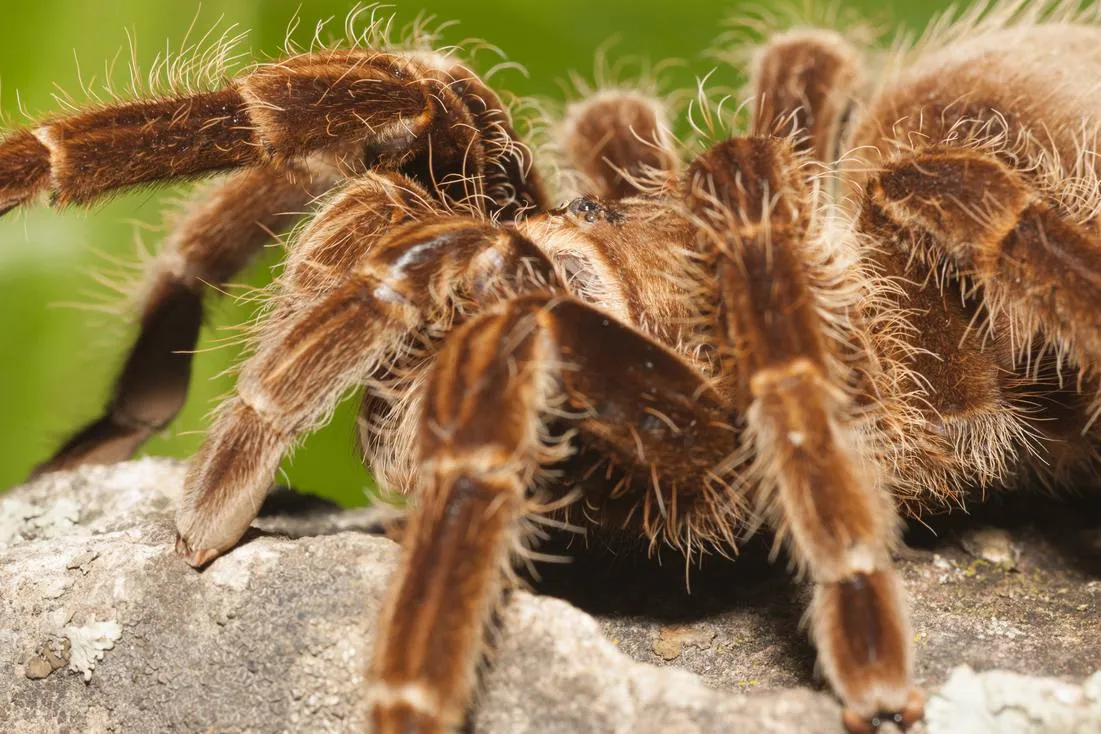
What is a Tarantula Genus
The scientific classification of tarantulas, like all living organisms, follows a hierarchical structure. At a fundamental level, a tarantula’s name consists of two parts: the genus and the species. The genus represents a broader grouping of tarantulas that share common characteristics, such as physical traits, behavioral patterns, and genetic similarities. Think of it as a family name, where all members share some fundamental traits that make them related. Understanding the genus is crucial for classifying the vast diversity within the tarantula family. This classification system helps scientists, enthusiasts, and pet owners to accurately identify, study, and care for these fascinating creatures. The genus provides a crucial framework for understanding the evolutionary relationships among different tarantula species and their place within the broader ecosystem. Therefore, knowing the genus is the first step in understanding the identity of a particular tarantula.
Understanding Genus in the Tarantula World
The genus classification helps in distinguishing between different groups of tarantulas based on their shared characteristics. For example, the genus Brachypelma includes well-known tarantulas like the Mexican Red Knee. Members of this genus often exhibit similar defensive behaviors and inhabit similar environments. The genus provides a valuable tool for researchers who study tarantula behavior, ecology, and conservation. The genus classification is dynamic, and scientists may reclassify species as new information becomes available through genetic analysis, morphological studies, or ecological observations. This ongoing process ensures that the classification accurately reflects the evolutionary relationships among tarantulas and helps refine our understanding of the tarantula family tree. By knowing the genus, one can infer general characteristics about a specific tarantula, such as its size, temperament, and habitat preferences.
Examples of Tarantula Genera

Several well-known tarantula genera include Brachypelma, Grammostola, and Avicularia. Brachypelma tarantulas, like the Mexican Red Knee and the Mexican Redleg, are popular in the pet trade because of their beautiful coloration and relatively docile temperament. Grammostola includes species such as the Chilean Rose Hair, which are known for their hardiness and suitability for beginners. Avicularia tarantulas, also known as the pink toes, are arboreal species, which means they live in trees, and have unique features like pink foot pads. Each genus contains multiple species that share these core characteristics, further highlighting the value of the genus as a foundational classification in tarantula taxonomy. Different genera have distinct characteristics such as the type of urticating hairs they possess and the environment where they originate from, for instance, some tarantulas are from South America while others originate from Asia.
What is a Tarantula Species Name
The species name is the second part of a tarantula’s scientific name and specifies a unique group of tarantulas. The species designation distinguishes individual tarantulas within a particular genus. For example, in the scientific name Brachypelma hamorii (formerly Brachypelma smithi), hamorii is the species name. This name refers to the Mexican Red Knee tarantula, a specific type of tarantula within the Brachypelma genus. The species name, along with the genus, provides a precise identification for each tarantula, allowing scientists and enthusiasts to differentiate between various tarantula types. Understanding the species name helps to study the specific characteristics, habitats, and behaviors of a particular tarantula. The species name is essential for accurate communication and research in the field of arachnology.
How Species are Defined for Tarantulas
Defining species in tarantulas involves a combination of factors, including morphological traits, genetic analysis, and geographic distribution. Morphological traits refer to physical characteristics, such as body size, color patterns, and the shape of the spinnerets and spermathecae (in females). Genetic analysis, especially DNA sequencing, is increasingly used to determine the relationships between different tarantulas and to delineate species boundaries. Geographic distribution, or where a tarantula is found, also plays a crucial role, as species often have distinct ranges. Scientists use these methods to differentiate between species, for instance, species may be determined by the shape of the carapace or the patterns of the legs. When scientists find that the tarantulas from two different locations have different characteristics, they can declare that they are different species. All these methods help in understanding the specific differences between one species and another.
Examples of Tarantula Species

Examples of tarantula species include Brachypelma hamorii (Mexican Red Knee), Grammostola rosea (Chilean Rose Hair), and Avicularia avicularia (Pinktoe Tarantula). Each species exhibits unique features that differentiate it from other species within its genus. For example, the Mexican Red Knee is known for its distinctive red markings on its leg joints, while the Chilean Rose Hair is generally a more docile and adaptable species. Pinktoe Tarantulas are known for their arboreal lifestyle and pink feet. These species illustrate the diversity within the tarantula world and highlight the importance of accurate species identification for captive care and conservation efforts. The specific characteristics of each species, from their behavior to their habitat needs, makes species identification essential for proper tarantula care.
Top 5 Facts about Tarantula Genus & Species
Fact 1 Diverse Genera of Tarantulas
Tarantulas are incredibly diverse, with over 1,000 identified species across more than 150 genera. This diversity means that tarantulas exhibit a wide range of sizes, colors, habitats, and behaviors. The diversity is influenced by the environments in which they live and the different ways they have adapted. New species continue to be discovered, which indicates the ongoing evolution of these fascinating creatures. This incredible diversity makes the study of tarantulas a dynamic and ever-evolving field.
Fact 2 Species Identification Challenges

Identifying tarantula species can be challenging because of the similarities between some species, especially within a genus. Subtle differences in physical characteristics, such as the shape of the spermathecae in females or the palpal bulbs in males, are often used to distinguish between species. Taxonomic revisions can also lead to changes in scientific names as scientists re-evaluate the relationships between species. As a result, accurate identification often requires expertise, close examination, and sometimes, genetic analysis. Many tarantula species look similar to each other and it can be difficult to tell them apart without a close inspection.
Fact 3 Importance of Scientific Names
Scientific names provide a universal and unambiguous way to identify tarantula species. Using the two-part scientific name (genus and species) ensures clear communication among scientists, pet keepers, and enthusiasts. Common names can vary regionally, leading to confusion, while scientific names remain consistent. The scientific name allows researchers from around the world to study the same species without the miscommunications associated with common names. Scientific names are essential for research, conservation, and understanding the relationships among different tarantula species.
Fact 4 Ongoing Taxonomic Research
Tarantula taxonomy is an active field of research. Scientists constantly analyze new data to refine the classification of tarantulas. These studies involve morphological, genetic, and behavioral analyses. Researchers use these analyses to determine if a group of tarantulas is really a single species or needs to be reclassified. This ongoing process can lead to changes in the classification and naming of species. New species are continually being discovered, especially in less-explored regions. This ongoing research improves our understanding of tarantula diversity and evolutionary relationships.
Fact 5 Conservation Implications

Accurate identification of tarantula species is critical for conservation efforts. Knowing the specific species that exist is the first step in being able to protect them. Some species are threatened by habitat loss, the pet trade, or other factors. Conservation plans and regulations are more effective when based on sound taxonomic knowledge. Correctly identifying the species allows for targeted conservation measures, such as protecting their habitats. It helps in the effort to create breeding programs in zoos or in conservation efforts. Precise identification is essential for the long-term survival of these fascinating creatures.