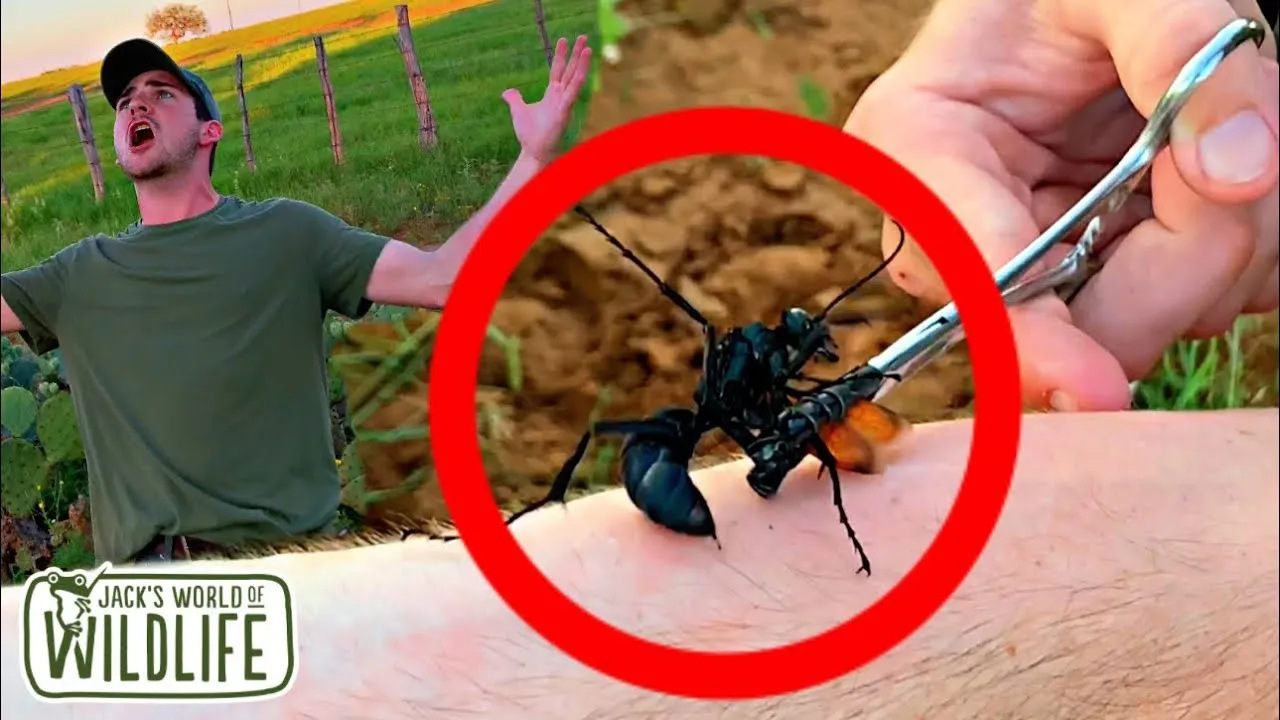
Tarantula Hawk Bites Pain: An Overview
The tarantula hawk, a large, striking wasp, is infamous not only for its size and appearance but also for its incredibly painful sting. Found in various regions, particularly in the southwestern United States, these wasps are formidable predators of tarantulas. The experience of being stung by a tarantula hawk is often described in extreme terms, with the pain ranking among the most excruciating of any insect sting. Understanding the nature of this pain, its characteristics, and the potential effects is crucial for anyone who lives or ventures into areas where these wasps are prevalent. This article delves into the specifics of tarantula hawk bite pain, providing insights into what makes this experience so uniquely agonizing.
The Schmidt Pain Index and Tarantula Hawk
The Schmidt Pain Index, developed by entomologist Justin O. Schmidt, is a scale that rates the relative pain caused by various insect stings. On this scale, tarantula hawk stings are consistently ranked near the top, with a pain level of 4, the highest possible score. Schmidt himself described the pain as ‘…blinding, fierce, and shockingly electric.’ This assessment underscores the intensity of the pain, which is not only severe but also has distinct qualities. The Schmidt Pain Index provides a valuable framework for understanding the relative severity of insect stings, and the placement of the tarantula hawk on this scale highlights the exceptional nature of its sting.
Tarantula Hawk Bite Pain Fact 1 Intense and Immediate

One of the defining characteristics of a tarantula hawk sting is the immediate and intense onset of pain. Unlike some other insect stings that may have a more gradual increase in discomfort, the pain from a tarantula hawk is often described as a sudden, overwhelming wave of agony. This initial jolt can be incredibly shocking, making it difficult for the victim to think clearly or react effectively. The immediate nature of the pain is one of the factors that contribute to its notoriety, as it leaves little time for preparation or mitigation. This sudden, intense pain is a hallmark of the tarantula hawk sting, setting it apart from many other insect bites and stings.
Tarantula Hawk Bite Pain Fact 2 The Venom’s Impact
The venom injected by the tarantula hawk is a key factor in the excruciating pain experienced. The venom composition appears to be highly potent, specifically targeting the nervous system to induce extreme pain. This neurotoxic effect is what causes the intense, electric-like sensations that are frequently reported. The venom’s impact is not limited to just pain; it can also cause temporary paralysis in the immediate area, and the pain may radiate throughout the affected limb or even the entire body. The specific components of the venom and their mechanisms of action are still being studied, but it is clear that this venom is a significant contributor to the sting’s infamous reputation.
Tarantula Hawk Bite Pain Fact 3: Pain Duration and Persistence
The duration of the pain from a tarantula hawk sting can be surprisingly long, often lasting for several minutes, and in some cases, even longer. While the initial intensity might subside somewhat, the pain can persist as a dull ache or a throbbing sensation. This prolonged duration is another aspect that makes the experience so difficult to endure. The persistence of the pain is not only physically taxing but can also be emotionally draining, as it can significantly disrupt daily activities. The duration of the pain, coupled with its intensity, contributes to the overall impact of the sting, making it an unforgettable and unpleasant experience. This is why it’s essential to be well-informed about the pain duration and how to manage the discomfort effectively.
Tarantula Hawk Bite Pain Fact 4: Physical and Physiological Effects

Beyond the immediate pain, a tarantula hawk sting can cause a range of physical and physiological effects. The affected area typically experiences localized swelling, redness, and warmth. In more severe cases, there may be muscle spasms, tremors, and temporary paralysis around the sting site. Systemic effects, although rare, can include nausea, vomiting, and even temporary loss of consciousness. The venom’s impact on the nervous system is a significant contributor to these effects, causing both physical discomfort and potentially altering physiological functions. Understanding these physical and physiological effects is critical for proper management and for seeking appropriate medical attention if necessary.
Tarantula Hawk Bite Pain Fact 5: The Aftermath and Recovery
The recovery process after a tarantula hawk sting can vary depending on the individual and the severity of the reaction. While the initial pain often subsides within minutes to a few hours, other symptoms such as swelling and soreness may persist for several days. It’s important to monitor the sting site for any signs of infection, such as increased redness, pus, or fever. Most individuals recover fully without long-term complications. However, understanding the potential for lingering effects and taking appropriate care during the recovery phase is essential for ensuring a smooth and complete recovery. This includes following first-aid recommendations, seeking medical advice when necessary, and allowing the body sufficient time to heal.
First Aid Measures for Tarantula Hawk Bite Pain
Immediate first aid measures can help alleviate the pain and reduce the effects of a tarantula hawk sting. The first step is to move away from the area to avoid further stings. Applying a cold compress or ice pack to the sting site can help reduce swelling and numb the area. If possible, elevate the affected limb to minimize swelling. Over-the-counter pain relievers, such as ibuprofen or acetaminophen, can help manage the pain. It is essential to clean the sting site with soap and water to prevent infection. These measures can help reduce the immediate discomfort and potentially limit the severity of the reaction.
Seeking Medical Attention for Tarantula Hawk Bites

In certain situations, it’s crucial to seek medical attention after a tarantula hawk sting. If you experience severe symptoms such as difficulty breathing, dizziness, or signs of an allergic reaction, it’s vital to seek immediate medical help. If the pain is excessively intense or prolonged, or if you notice signs of infection, consulting a doctor is recommended. Medical professionals can provide appropriate treatment, including stronger pain relief, antihistamines, or other medications. Prompt medical attention can help mitigate severe reactions and prevent complications. Knowing when to seek medical help is a critical aspect of managing tarantula hawk stings and ensuring your well-being.