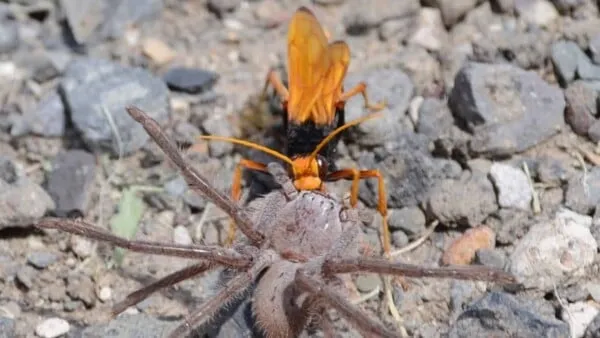
Tarantula Hawk Lifespan Overview
The tarantula hawk, a remarkable species of spider wasp, is known for its imposing size, striking coloration, and the excruciating pain of its sting, ranked as one of the most painful insect stings. However, beyond its fearsome reputation, lies a fascinating life cycle and lifespan that contributes to the ecological balance of its habitat. Understanding how long tarantula hawks live provides valuable insights into their survival strategies, behaviors, and overall role in the ecosystem. This blog post delves into the various factors that influence the tarantula hawk’s lifespan, from their complex life cycle stages to environmental challenges and conservation efforts. Let’s explore the intriguing world of these impressive creatures and uncover what determines their longevity.
Factors Influencing Tarantula Hawk Lifespan
Several factors combine to determine the lifespan of a tarantula hawk. The primary factor is the availability of resources, which includes the abundance of tarantulas for the female to parasitize, as well as the availability of nectar and water for the adult wasps. The tarantula hawks have to deal with harsh conditions depending on where they live. Temperature fluctuations, drought, and the presence of predators can also significantly impact their survival rates. The females must also find and paralyze tarantulas, which is a risky endeavor. If the tarantula hawk is injured or if a predator is present, then the hunt can be a disaster. Finally, diseases and parasites are ever-present challenges that can shorten the life of a tarantula hawk, especially in areas where such threats are prevalent. Therefore, their lifespan varies depending on where they live.
The Tarantula Hawk Lifecycle

The tarantula hawk’s life cycle consists of several distinct stages, each contributing to the wasp’s overall lifespan. The life cycle begins when the female tarantula hawk, after mating, seeks out a tarantula spider to paralyze. This is done by injecting venom into the spider. Once immobilized, the wasp drags the tarantula to a burrow, or sometimes just a safe location, where it lays a single egg on the spider’s abdomen. The egg hatches into a larva that feeds on the still-living tarantula. The larva consumes the spider over a period of weeks, eventually pupating within the spider’s exoskeleton. After pupation, the adult tarantula hawk emerges, completing the cycle. Each stage’s duration, from egg to adult, affects the overall length of the wasp’s life. Understanding each stage will help to understand how long the tarantula hawk lives.
The Adult Stage
The adult tarantula hawk is the reproductive stage. In this stage, the wasps focus on feeding and reproduction. Adult tarantula hawks, particularly females, can live for several months, provided they have access to nectar from flowers for sustenance and water for hydration. The males, whose primary function is mating, typically have a shorter lifespan. The females’ lives are also impacted by the success of their hunts, and the availability of host tarantulas. The environment in which the wasps live affects their adult stage. The warmer the temperatures, the greater the need for water, and the shorter the lifespan. This period is critical for the species’ survival and continuation. The success of the adult stage depends on their ability to adapt to their environment, their ability to find resources, and their ability to reproduce.
Impact of Environmental Factors
The environment in which tarantula hawks live can significantly influence their lifespan. Droughts and extreme temperatures can reduce food availability and increase the risk of dehydration, shortening the lifespan of these wasps. Habitat destruction and loss of suitable nesting sites can also limit their ability to reproduce. Climate change impacts can exacerbate these challenges, leading to shifts in tarantula populations and a mismatch between the wasp’s emergence and the availability of its prey. Conversely, favorable conditions, such as moderate temperatures and abundant resources, can extend their lives and improve their reproductive success. Conservation efforts that focus on habitat preservation and mitigating the effects of climate change are vital to ensuring the long-term survival of tarantula hawks.
Diet and Nutrition

The diet and nutrition of tarantula hawks play a critical role in their lifespan. Adult wasps primarily feed on nectar from flowers, which provides the energy needed for flight, hunting, and reproduction. The quality and availability of nectar sources directly impact their overall health and longevity. Larvae, on the other hand, consume the paralyzed tarantulas. The spider provides essential nutrients for their development into adults. A diet rich in the appropriate nutrients promotes their successful metamorphosis and strengthens their ability to survive and reproduce. Therefore, the availability of both nectar sources and tarantulas affects how long they live. Preserving diverse ecosystems and ensuring access to these resources will help tarantula hawks thrive.
Predators and Threats
Tarantula hawks face threats from various predators, which can limit their lifespan. Birds, lizards, and other insects may prey on them, especially during their vulnerable larval and pupal stages. Human activities, such as pesticide use and habitat destruction, can also indirectly impact their populations by reducing food sources and suitable nesting sites. Parasites and diseases pose an additional threat, infecting both larvae and adults. Understanding these threats is critical for developing effective conservation strategies. Preserving diverse ecosystems, reducing pesticide use, and protecting nesting sites are crucial steps to mitigate the risks posed by predators, parasites, and human-induced threats, thereby improving the lifespan of these wasps.
Lifespan Compared to Other Wasps
The tarantula hawk’s lifespan is relatively long compared to many other wasp species. While the exact duration varies, it typically lives for several months as an adult, longer than most other wasps. This longer lifespan is likely related to their specialized hunting behavior and the investment in their offspring. The extended adult phase allows for more time to hunt tarantulas, reproduce, and ensure the survival of their larvae. In contrast, many other wasps have shorter lifespans, often lasting only a few weeks or months. Their lifespans often correlate with the availability of their food sources and the demands of their life cycles. Therefore, the tarantula hawk’s lifespan helps it survive in the harsh environment they live in.
Conservation Status

The conservation status of tarantula hawks is generally considered to be of least concern. They are widespread and appear to be relatively stable. However, localized threats, such as habitat loss and pesticide use, can affect their populations. Their long-term survival depends on the health of their habitats and the availability of tarantulas, which are crucial to their lifecycle. Therefore, monitoring populations and the impact of environmental changes is essential for effective conservation management. Addressing the loss of habitat and mitigating the effects of human activity will help protect their population.
How to Support Tarantula Hawk Conservation
Supporting tarantula hawk conservation involves several actions. First, promote habitat preservation by protecting natural areas and supporting sustainable land management practices. Second, reduce pesticide use to minimize harmful effects on these wasps and their prey. Encourage responsible gardening practices to provide nectar sources for adult wasps. Supporting conservation organizations that work on insect conservation and wildlife research is also very important. Educating others about the importance of tarantula hawks and the threats they face helps increase awareness and inspires conservation efforts. These collective efforts will help ensure these fascinating creatures thrive.