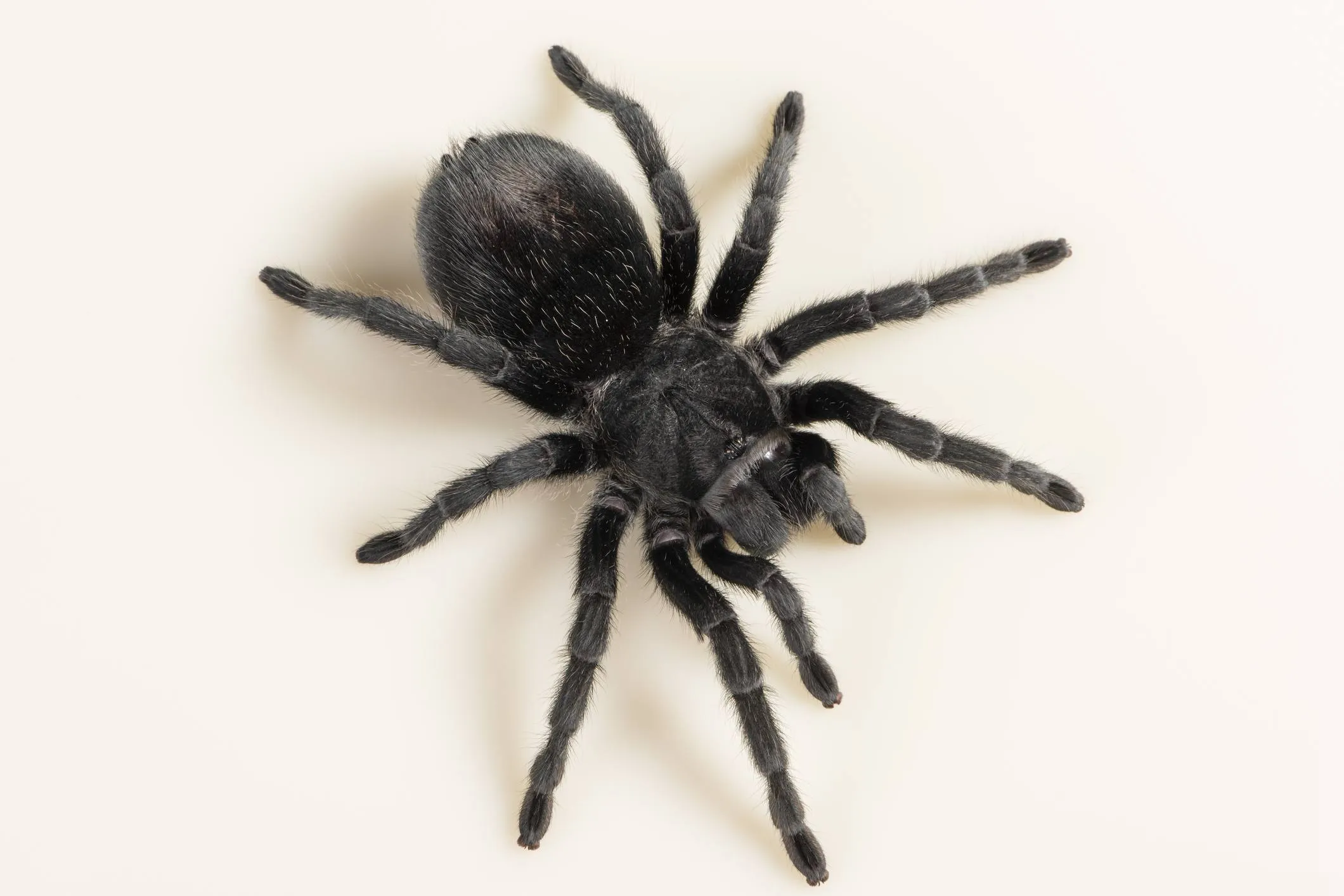
What is a Tarantula Hitam?
The Tarantula Hitam, often referred to as the Black Tarantula, is a captivating species of spider that has garnered attention from both arachnid enthusiasts and casual observers alike. These fascinating creatures belong to the Theraphosidae family, a group known for their large size and often striking appearance. While the term “Hitam” translates to “black” in Indonesian, the name is often used to describe various black or dark-colored tarantula species found in different parts of the world. These spiders are not just visually appealing but also play a crucial role in their ecosystems, making them a significant part of the natural world. Understanding the Tarantula Hitam involves exploring its origins, physical characteristics, behavior, and its place in the broader context of biodiversity. Their existence prompts interest in their care, habitat, and the challenges they face in the wild, making them a subject of study and conservation efforts.
Origin and Habitat
The origin and habitat of the Tarantula Hitam typically involve tropical and subtropical regions. They are commonly found in areas with warm temperatures, high humidity, and dense vegetation, which provide suitable environments for their survival and well-being. The specific species designated as “Hitam” might have a particular geographic distribution, such as Southeast Asia, including countries like Indonesia, Malaysia, and Thailand. In these regions, they typically inhabit burrows in the ground, under rocks, or within tree roots. They are also known to dwell in dense forests, grasslands, and even urban areas that provide them with favorable living conditions. Understanding their natural habitat is crucial for conservation and ensuring their survival, as habitat loss and environmental changes pose significant threats to their populations. Conservation efforts often focus on protecting these natural habitats to maintain biodiversity and the intricate balance of ecosystems.
Physical Characteristics

Size and Appearance
Tarantulas Hitam, with their impressive size, immediately capture attention. Adults can range from a few inches to over 10 inches in leg span, with females generally being larger than males. The overall appearance is characterized by a robust, hairy body, and a striking contrast of colors, typically dominated by shades of black, dark brown, or gray. Their bodies are divided into two main parts cephalothorax (head and thorax fused together) and the abdomen. The cephalothorax houses the eyes, mouthparts, and legs, while the abdomen contains the internal organs. The legs are covered in fine hairs and bristles, which aid in sensing the environment and climbing. Their imposing size and unique appearance make them a fascinating subject for observation and study, further highlighting the complexity and diversity of the arachnid world.
Coloration and Markings
The coloration and markings of the Tarantula Hitam are often key identifiers. The body is usually a deep black or dark brown, providing effective camouflage in their natural habitats. Some species exhibit subtle variations in color, with hints of gray or lighter shades on the legs or body. The hairs that cover their body and legs add to their texture and appeal. They do not typically have vibrant patterns like some other tarantula species, the beauty lies in the uniformity and the sleek appearance. The overall aesthetic adds to their mystique, and the contrast with their surroundings highlights their unique position within their habitats. These visual characteristics not only aid in identification but also play a role in communication and camouflage, contributing to their survival and the ecological dynamics of their environment.
Behavioral Traits

The Tarantula Hitam exhibits a range of behavioral traits essential for survival and adaptation to its environment. They are primarily nocturnal hunters, becoming most active during the night, when they seek out prey. Their behaviors are influenced by environmental factors, such as temperature and humidity, which can affect their activity levels. Tarantulas typically have a solitary nature, preferring to live alone, except during mating season. They are also known for their defensive mechanisms, which include flicking urticating hairs (tiny, irritating hairs) from their abdomen and, in some cases, biting when threatened. Understanding these behavioral traits provides insights into their lifestyle, predatory strategies, and interactions with their environment, highlighting the intricate relationships between the species and its surroundings.
Diet and Feeding Habits
What do Tarantula Hitam Eat?
The Tarantula Hitam is a carnivore, and their diet primarily consists of insects and other invertebrates. Crickets, mealworms, cockroaches, and various other insects are common prey items. They may also consume small vertebrates, such as small lizards or rodents, depending on their size and availability. Tarantulas are ambush predators, using their strong legs to grasp and subdue their prey, injecting venom to immobilize and begin the digestion process. The diet varies depending on the tarantula’s age, with younger tarantulas feeding on smaller insects, while adults can handle larger prey. A varied diet is crucial to ensure the spider receives all the necessary nutrients for growth, molting, and reproduction.
How Often to Feed?

The frequency of feeding the Tarantula Hitam depends on its age, size, and metabolism. Younger tarantulas typically require more frequent feedings, often every few days, to support their rapid growth. Adult tarantulas can be fed less frequently, perhaps once or twice a week. It’s crucial to observe the spider’s behavior, such as its appetite, to adjust the feeding schedule accordingly. Overfeeding can lead to health issues, so it’s essential to provide only the amount of food that the spider can consume within a reasonable time. Water should be available at all times, and the enclosure should be kept clean to prevent any health problems.
Lifespan and Life Cycle
The lifespan of the Tarantula Hitam varies, with females generally living much longer than males. Females can live for over 20 years, while males typically live for only a few years after reaching maturity. The life cycle of the tarantula involves several stages, including egg, spiderling, and various molting phases as they grow. Molting, the process of shedding their exoskeleton, is a crucial part of their life cycle, allowing them to grow and regenerate. The molting process can be a vulnerable time for tarantulas, as they are soft-bodied and defenseless during this period. Understanding their lifespan and life cycle is essential for proper care, breeding, and conservation efforts.
Molting Process
Molting is a fundamental aspect of the Tarantula Hitam’s life cycle, allowing the spider to grow and replace its old exoskeleton. The process involves the spider secreting a new, larger exoskeleton beneath the old one. When the new exoskeleton is ready, the tarantula will shed its old one, typically by flipping onto its back. During this period, the spider is extremely vulnerable, as it is soft and unable to defend itself. The molting process can last from a few hours to several days, depending on the size and age of the tarantula. After molting, the tarantula will have a new, larger exoskeleton, and its colors may appear brighter. Providing a suitable environment, including proper humidity and shelter, is vital during this time.
Reproduction

Reproduction in Tarantula Hitam involves a complex process, beginning with the male’s courtship ritual. The male tarantula will create a sperm web and then deposit his sperm onto it, storing it in special structures called pedipalps. When a female tarantula is ready to mate, the male will approach her and, in most cases, attempt to mate. The female tarantula will then lay her eggs in a silken egg sac, which she will carefully guard. The number of eggs in a sac can vary, depending on the species and the size of the female. After a period of incubation, the spiderlings will hatch and begin their independent lives. Responsible breeding practices are essential to ensure the health of the tarantulas and the sustainability of their populations, especially in the context of conservation efforts.
Common Health Issues
Parasites and Diseases
Tarantulas Hitam, like other animals, can be susceptible to various health issues. Parasites, such as mites and nematodes, can infest their bodies and cause health problems. Bacterial and fungal infections can also affect tarantulas, especially if their environment is not kept clean and well-maintained. The most common diseases are usually related to poor living conditions. Proper care and hygiene are essential to prevent and treat these issues. Routine checks for any signs of illness, like lethargy, loss of appetite, or unusual behavior, are important. Quarantine of new tarantulas and regular cleaning of the enclosure are also recommended preventive measures.
Preventive Measures

Preventive measures are crucial for maintaining the health and well-being of Tarantulas Hitam. These include keeping the enclosure clean and hygienic, providing a balanced diet, and ensuring proper humidity and temperature levels. Regular health checks can help detect any potential issues early. Quarantine of new tarantulas before introducing them to an established collection can prevent the spread of diseases. Providing a varied diet and appropriate substrate can also promote their health. Consulting with a veterinarian familiar with arachnids is another good practice. These measures help ensure that Tarantulas Hitam remain healthy and thrive in their environment.
Conservation Status
Threats to Survival
The Tarantula Hitam, like many other species, faces various threats to its survival. Habitat loss due to deforestation, urbanization, and agricultural expansion is a major concern. Deforestation reduces the availability of food and shelter and can lead to population declines. The illegal pet trade also puts pressure on wild populations, as tarantulas are collected for sale. Climate change and environmental pollution can also negatively affect their habitat and overall health. Understanding these threats is vital for conservation and preservation efforts to maintain the biodiversity and ecological balance of the regions where these tarantulas live.
Conservation Efforts
Conservation efforts play a vital role in protecting the Tarantula Hitam and its habitat. These include habitat preservation through protected areas and conservation zones, combating illegal wildlife trade by raising awareness. Captive breeding programs, research into tarantula biology and behavior, and community education. Public awareness campaigns and citizen science initiatives can also contribute to conservation efforts. Collaboration between scientists, conservation organizations, and local communities is crucial for sustainable practices. Supporting these efforts can ensure the survival of the Tarantula Hitam and the ecosystems in which they thrive.
Tarantula Hitam as Pets
Pros and Cons
Keeping a Tarantula Hitam as a pet has both advantages and disadvantages. On the positive side, they are relatively low-maintenance pets, requiring little space and time. They are fascinating to observe, and their unique appearance and behaviors provide an engaging experience. They are also quiet and don’t require frequent interaction. The cons include the need for specialized care and knowledge. They have specific habitat and dietary requirements, so it is important to consider these factors. They also need a secure enclosure and can be dangerous if mishandled. Finally, the pet can cause allergies and the owner must be aware of the spider’s venomous nature. Careful consideration of these aspects is essential before deciding to keep a tarantula as a pet.
Responsible Ownership
Responsible ownership is crucial for ensuring the welfare of a Tarantula Hitam kept as a pet. This includes providing a suitable habitat, a varied diet, and appropriate temperature and humidity levels. Regular cleaning of the enclosure, monitoring the spider’s health, and providing enrichment can improve their wellbeing. Knowledge of tarantula behavior and handling is essential for both the safety of the owner and the spider. Avoid handling them unnecessarily and research the specific needs of the species. Supporting conservation efforts and only acquiring tarantulas from reputable sources can help conserve wild populations. Responsible pet ownership creates a better life for the tarantula and provides an interesting, educational experience for the owner.