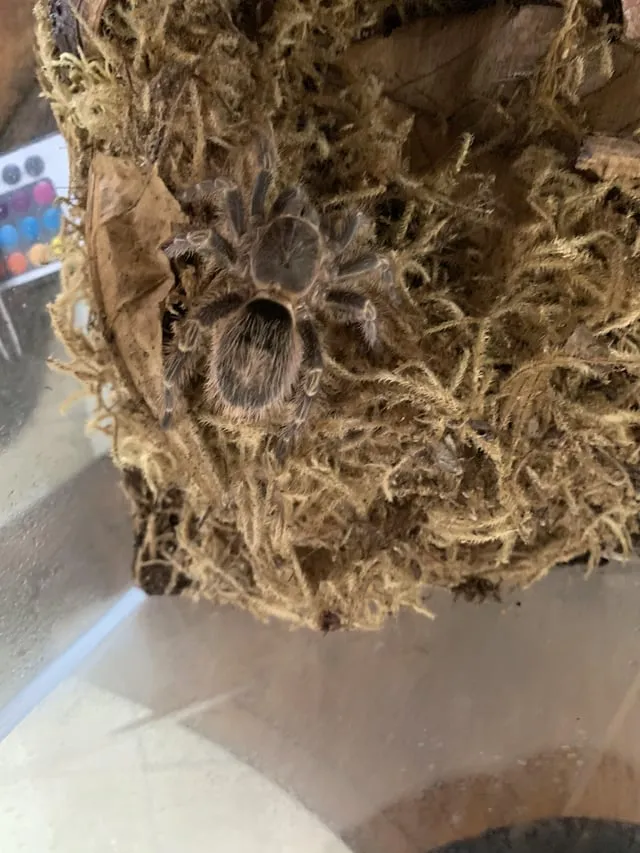
Why Tarantulas Choose Corners
If you’ve ever owned a tarantula, you’ve likely noticed a peculiar behavior they often exhibit spending a considerable amount of time in the corners of their enclosure. While this might seem odd to us, there are several perfectly valid reasons behind this behavior. Understanding these reasons is crucial for ensuring your tarantula’s well-being and creating an environment where it feels safe and comfortable. Let’s delve into the top five reasons why your tarantula might be spending its days (and nights) in the corner.
Temperature and Humidity Needs
Tarantulas are ectothermic creatures, meaning they rely on their environment to regulate their body temperature. The corners of an enclosure can sometimes offer more stable temperature and humidity levels than the center. If the temperature is too high or too low, or if the humidity is not within the ideal range, your tarantula might retreat to a corner where conditions are more favorable. This area often experiences less direct airflow from heaters or ventilation, creating a microclimate where the spider can better thermoregulate. Monitoring the temperature and humidity with a reliable gauge is essential for understanding if this is the cause.
Maintaining the Ideal Environment

To combat this, maintain a consistent temperature and humidity range within the enclosure. Research the specific needs of your tarantula species, as different species have different requirements. Use a thermometer and hygrometer to monitor the conditions daily. Adjust the heating and ventilation as needed to keep the environment within the acceptable parameters. Misting the enclosure with dechlorinated water can help increase humidity, while improved ventilation can lower it. Proper substrate selection is also critical; a substrate that retains moisture can help maintain the desired humidity levels.
Shelter and Security the Key to a Happy Tarantula
Tarantulas are naturally skittish creatures, and they thrive in environments where they feel safe and secure. The corners of an enclosure often provide a sense of security, as they offer a defined space where the spider can feel protected from potential threats. They are enclosed on two sides, which makes them feel less exposed. The choice of corner dwelling can be a sign that your tarantula is feeling stressed or vulnerable. Providing adequate shelter and hiding places is essential for mitigating this behavior, fostering a sense of safety, and making your tarantula feel comfortable in its habitat.
Choosing the Right Enclosure
The enclosure itself plays a vital role in the tarantula’s sense of security. Choose an enclosure that is appropriately sized for your tarantula; too large a space can make a tarantula feel exposed, while too small a space can be restrictive. The enclosure should also have secure lids to prevent escapes and a design that allows for easy observation. The ideal enclosure provides a balance of open space for exploration and enclosed areas for hiding, which makes the tarantula feel both secure and allows for natural behaviors.
Providing Hiding Spots

Offering ample hiding spots is one of the best ways to make your tarantula feel secure. These hiding spots should be large enough for the tarantula to retreat completely, ideally with a relatively dark interior. Provide a variety of options, such as cork bark, hollow logs, or commercially available spider hides. Place these hides in different areas of the enclosure so the tarantula has multiple choices. Ensure that these hides are sturdy and won’t collapse on the tarantula. Also, periodically check and clean the hides to keep them fresh and prevent the build-up of mold or pests.
The Molting Process
Molting is a crucial part of a tarantula’s life cycle, where it sheds its exoskeleton to grow. During this vulnerable time, tarantulas often seek a secluded spot, and the corners of their enclosure can be ideal. In the corner, they are less likely to be disturbed, and it offers a degree of protection while they are at their most fragile. Recognizing the signs of an upcoming molt and providing a suitable environment can significantly help a tarantula during this process. Leaving them undisturbed during molting is crucial to ensuring their survival.
Understanding the Molting Cycle
The frequency of molting depends on the tarantula’s age and species; juveniles molt more frequently than adults. As the tarantula prepares to molt, it may become less active and may stop eating. The abdomen may darken in color, and the tarantula might construct a web mat in preparation for the process. Understanding these signals helps you support the tarantula by minimizing disturbances during this vulnerable phase. The duration of the molt varies, depending on the species and size of the tarantula.
Recognizing Pre-Molting Signs

Besides the darkening abdomen and decreased appetite, other signs can include the tarantula’s refusal to eat, excessive burrowing, or a generally sluggish demeanor. The tarantula may also appear to be less responsive to stimuli. When you observe these signs, it’s essential to create a calm environment by avoiding handling or disturbing the tarantula. Increase the humidity in the enclosure and ensure the tarantula has access to fresh water. Leave the tarantula undisturbed to allow it to complete the molting process without interruption.
Stress and Fear in Tarantulas
Stress can significantly impact a tarantula’s behavior, and cornering can be a sign of fear or anxiety. Loud noises, sudden movements, excessive handling, or a lack of suitable hiding places can all contribute to stress. When feeling stressed, tarantulas often retreat to a corner as a means of self-preservation, seeking refuge from perceived threats. Identifying and addressing the sources of stress is essential to promote the well-being of your tarantula and encourage healthier behaviors.
Identifying Stress Factors
Common stressors include a busy environment with frequent disturbances, inadequate hiding places, vibrations, and improper environmental conditions. Consider the location of the enclosure; is it in a high-traffic area? Is it near a window where it might be exposed to direct sunlight or temperature fluctuations? Is the enclosure itself providing adequate hiding options? Observing the tarantula’s behavior, such as flicking hairs (a defensive behavior) or refusing to eat, can also indicate stress. Making adjustments to the tarantula’s environment can help alleviate these stress factors.
Handling and Interaction

Tarantulas are best observed and not handled. Handling can be a significant stressor for tarantulas; it can make them feel exposed and vulnerable. If handling is necessary (e.g., for a health check or enclosure maintenance), approach slowly and gently. Avoid sudden movements, and always be aware of the tarantula’s behavior. If it shows signs of stress, such as raising its front legs or flicking hairs, immediately cease the interaction. Frequent handling can also lead to injury and increases the chances of the tarantula dropping its abdomen. This is why observing them and respecting their space is usually the best approach.
Diet and Feeding Habits
While not always the primary reason for cornering, feeding habits and dietary needs can also influence tarantula behavior. A tarantula that is not eating properly or is underfed might seek refuge in a corner. Understanding the nutritional requirements of your tarantula and feeding it appropriately is crucial for its health and well-being. The size and type of prey should also be suitable for the tarantula’s size and species. An underfed tarantula or one not receiving the proper nutrients will experience stress, leading it to seek shelter.
Nutritional Needs of Tarantulas
Tarantulas primarily eat insects, but the nutritional needs vary depending on the species, age, and stage of life. Provide a varied diet that includes a range of insects, such as crickets, roaches, mealworms, and even occasionally, small vertebrates like pinky mice (for larger species). Supplement the diet with vitamins and minerals, if needed, especially for captive-bred tarantulas. Ensure that prey items are gut-loaded, meaning they are fed nutritious food before being offered to the tarantula. Water is also essential; always provide a shallow water dish with fresh, clean water.
Feeding Frequency and Prey Size

The feeding frequency depends on the tarantula’s age and species. Juvenile tarantulas generally need to be fed more often than adults. Young spiders may be fed every other day, while adults can be fed once or twice a week. The size of the prey should be appropriate for the size of the tarantula; the prey should generally be no larger than the tarantula’s body. Remove any uneaten prey within 24 hours to prevent stress and reduce the risk of injury. Ensure that the tarantula has access to fresh water at all times, as it needs water to digest its food properly.
Health Issues and Illnesses
In some cases, health issues and illnesses can contribute to a tarantula’s cornering behavior. A tarantula that is unwell or experiencing discomfort might seek refuge in a corner. Recognizing the signs of illness is crucial for providing the necessary care and ensuring your tarantula’s survival. If you suspect your tarantula is ill, it is important to consult with a vet. Prompt diagnosis and treatment are key to a successful recovery.
Recognizing Signs of Illness
Signs of illness can include loss of appetite, lethargy, unusual posture, difficulty moving, or discoloration of the abdomen or legs. Other indicators include discharge from the mouth or legs, or a lack of coordination. Watch for abnormal behaviors, such as excessive twitching, tremors, or difficulty molting. Any deviation from normal behavior should be investigated. Isolating the tarantula and observing it closely can help in determining whether it’s suffering from illness. It’s essential to document these signs and seek professional veterinary advice if necessary.
Consulting a Veterinarian

Unfortunately, specialized veterinary care for tarantulas may be difficult to find. Research and find a veterinarian experienced in exotic pet care to provide the best treatment. When consulting a veterinarian, provide detailed information about the tarantula’s environment, diet, and recent behavior changes. Be prepared to answer questions about the tarantula’s history and to provide any necessary samples for diagnostic tests. Early intervention and appropriate treatment can greatly improve the chances of recovery. The veterinarian may recommend medication, adjustments to the environment, or other treatments based on the diagnosis.
Conclusion
Seeing your tarantula in the corner can be a common occurrence, but it’s not always a cause for alarm. By understanding the potential reasons behind this behavior, from environmental factors to stress and health issues, you can take proactive steps to ensure your tarantula’s well-being. Maintaining the correct temperature and humidity, providing ample hiding places, minimizing stress, and offering a balanced diet are all vital for creating a comfortable and healthy habitat. Regular observation and understanding your tarantula’s individual needs are essential for a long and fulfilling relationship with your fascinating eight-legged pet.