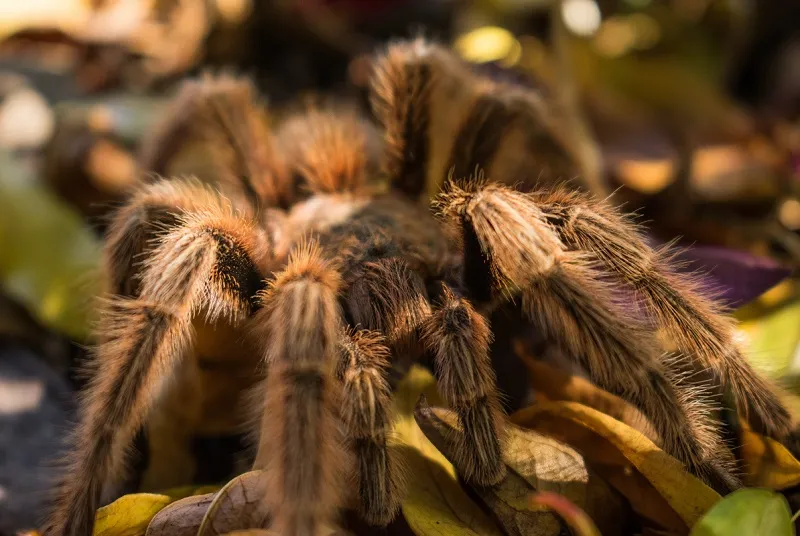
The Mystery of Tarantula Jumping Distance
Tarantulas, with their impressive size and often intimidating appearance, are fascinating creatures. One aspect of their behavior that frequently sparks curiosity is their ability to jump. But how far can a tarantula jump? The answer isn’t straightforward, as tarantula jump distance is influenced by several factors, including the tarantula species, its size, and the environment. Understanding the mechanics behind tarantula jumping provides insights into the tarantula’s survival strategies and unique adaptations. This article delves into the captivating world of tarantula jumping, exploring the distances they cover, the reasons behind their leaps, and some astonishing facts.
Why Do Tarantulas Jump
Tarantulas don’t jump for the same reasons as many other animals. Their jumping behavior is usually a strategic response to specific needs, rather than a playful or exploratory action. Their jumps are typically short and powerful, designed for specific purposes. Jumping allows tarantulas to react swiftly to threats, ambush prey, or navigate their environment. A tarantula’s jump is a remarkable display of their agility, and understanding the motivations behind these jumps provides valuable insights into their survival strategies. The primary reasons for jumping include hunting, defense, and mating, each showcasing the versatility of these arachnids.
Hunting

Tarantulas are ambush predators, and their jumping can be a critical element in their hunting strategy. While they primarily rely on stealth and patience to catch their prey, such as insects, the ability to jump allows them to launch a surprise attack. They will jump short distances to quickly close the gap between themselves and a potential meal, increasing their chances of a successful hunt. This hunting behavior is particularly noticeable in tarantulas that actively pursue their prey, using their jumping ability as a key part of their hunting arsenal. The power and precision of their jumps allow them to quickly capture their prey.
Defense
Defense is perhaps the most common reason for a tarantula to jump. When threatened by predators, such as birds, snakes, or other larger animals, tarantulas may jump in an effort to escape. These jumps are often a desperate attempt to move away from danger quickly. Tarantulas use their jumping ability as a last resort when they feel cornered or vulnerable. It’s a flight mechanism, allowing them to create distance between themselves and a potential threat. The effectiveness of their jumps as a defensive strategy underscores the importance of agility in their survival.
Mating
During mating, tarantulas may jump as part of their courtship rituals or as a means of maneuvering. In some species, the males might jump towards the female in an attempt to mate or to avoid being eaten. This is a complex behavior that ensures species survival. The jump also provides a quick exit strategy if the female is unreceptive or aggressive. This displays the multifaceted nature of their jumping behavior, as it extends beyond hunting and defense, demonstrating the adaptability of tarantulas in various aspects of their lives.
Factors Affecting Jump Distance

Several factors contribute to how far a tarantula can jump. These factors affect the jump distance and the overall behavior of the tarantula. Understanding these factors is crucial to appreciating the full scope of their jumping abilities. The type of tarantula, their size and weight, and the environmental conditions they face all play significant roles. The combination of these elements determines the effectiveness of their jumps and how these spiders use them to survive.
Tarantula Species
Different tarantula species exhibit varying jumping capabilities. Some species are naturally more agile and adept at jumping than others. For instance, arboreal tarantulas, which live in trees, tend to be better jumpers than their terrestrial counterparts. The structure of their legs and the overall body composition are suited to jumping and maneuvering in a vertical environment. The habitat and lifestyle of a tarantula species significantly influence the development of their jumping abilities. The diversity in tarantula jumping behavior is a testament to the evolutionary adaptations within the tarantula family.
Size and Weight
A tarantula’s size and weight directly affect how far it can jump. Larger, heavier tarantulas may not jump as far as smaller ones, as their body mass provides a lower ratio of power to weight, making it more difficult to lift themselves off the ground. However, they may be more adept at covering ground using their other methods of locomotion, and might also be better at withstanding falls from a short distance. Smaller tarantulas, on the other hand, often possess a higher power-to-weight ratio, allowing them to jump a greater relative distance. These physical characteristics are therefore essential determinants in the tarantula’s jumping ability.
Environmental Factors

The environment in which a tarantula lives also influences its jumping ability. The surface on which the tarantula stands is important. Rough surfaces provide better grip and traction, allowing the tarantula to generate more force during a jump. Smooth surfaces may hinder the jump, reducing the jump distance and precision. The presence of obstacles or threats in the surrounding environment also affects jumping behavior, as tarantulas must navigate or escape from these elements. Environmental conditions, such as humidity and temperature, also play a role by influencing the tarantula’s overall activity levels and muscle function.
Top 7 Astonishing Jumping Facts
Fact 1 Tarantulas Can Jump Surprisingly Far
Despite their generally slow and deliberate movements, tarantulas can jump a surprisingly long distance relative to their size. While the exact distance varies between species, some tarantulas can jump several times their body length. This ability is crucial for both hunting and escaping danger, demonstrating their adaptability and agility.
Fact 2 Jump Distance Varies by Species

The jumping ability of a tarantula is highly dependent on its species. Some arboreal species, adapted to life in trees, are more agile and can jump farther and with greater precision than terrestrial species. These variations reflect the diverse adaptations within the tarantula family, influenced by their unique habitats and lifestyles.
Fact 3 Jumping Aids in Catching Prey
Tarantulas are ambush predators and use their jumping ability to quickly cover the distance between themselves and their prey. This strategy increases their hunting success by providing a crucial element of surprise. The precise timing and direction of their jumps are vital for catching fast-moving insects and other small creatures.
Fact 4 Jumps are Often Short but Powerful
Tarantula jumps are typically short and powerful, designed for quick bursts of movement rather than sustained leaps. This contrasts with the jumping behavior of other animals that prioritize distance. The tarantula’s jump is a strategic move, maximizing its speed and agility for hunting or defense.
Fact 5 Jumping is Primarily Used for Defense

The primary purpose of jumping for a tarantula is often to escape predators. When threatened, they will use their jumping ability to quickly create distance and evade danger. This demonstrates their use of jumping as a survival mechanism, offering them an advantage in evading threats.
Fact 6 Tarantulas Can Jump Vertically
Some tarantulas can jump vertically, especially those that inhabit trees or other elevated environments. This allows them to move up and down surfaces effectively, and can be a critical survival tool in evading predators or ambushing prey. This showcases their agility and adaptability.
Fact 7 Jumping is a Risk for Tarantulas
Jumping, while helpful, is a risk for tarantulas. A miscalculated jump can lead to falls, which can be dangerous, especially for those living in trees. It can also expose them to predators. The tarantula’s decision to jump is a strategic balance between the need to escape or hunt and the inherent risks.
Comparing Tarantula Jumping to Other Spiders

When comparing tarantula jumping to that of other spiders, significant differences become apparent. Jumping spiders, such as the Salticidae family, are known for their exceptional jumping abilities. They can leap distances many times their body length, utilizing specialized muscles and hydraulic mechanisms. Tarantulas, in contrast, have a different morphology and lifestyle. Their jumps are generally shorter and less frequent, with a greater emphasis on power over distance. This contrast illustrates how different spider families have evolved diverse strategies for movement, based on their particular environmental demands and hunting techniques. This comparison highlights the unique adaptations of both groups of spiders.
Research and Studies on Tarantula Jumping
Research into tarantula jumping provides valuable insights into arachnid biomechanics and behavior. Scientists and researchers study how tarantulas jump to understand the mechanics behind their movement, their ecological interactions, and their evolutionary adaptations. Studies often involve analyzing the jump distance, the use of muscles and skeletal structures, and the role of sensory input. The findings contribute to broader scientific understanding of animal locomotion and adaptation, as well as provide insights for the broader field of biomechanics, offering potential applications in robotics and other fields. Continued research deepens our appreciation for the tarantula’s unique adaptations.
Conclusion
The jumping abilities of tarantulas are a fascinating aspect of their lives, reflecting an intricate blend of evolutionary adaptation and behavioral strategy. From their surprise attacks to their defensive maneuvers, tarantula jumping highlights their versatility and resilience. Understanding how far tarantulas can jump, and why they do so, reveals the amazing diversity and complexity of the natural world. Their ability to jump underscores the fact that every movement is purposeful, finely tuned to maximize their chances of survival in their natural habitats. The next time you encounter a tarantula, take a moment to appreciate the power and precision of their jump, a testament to their extraordinary adaptability.