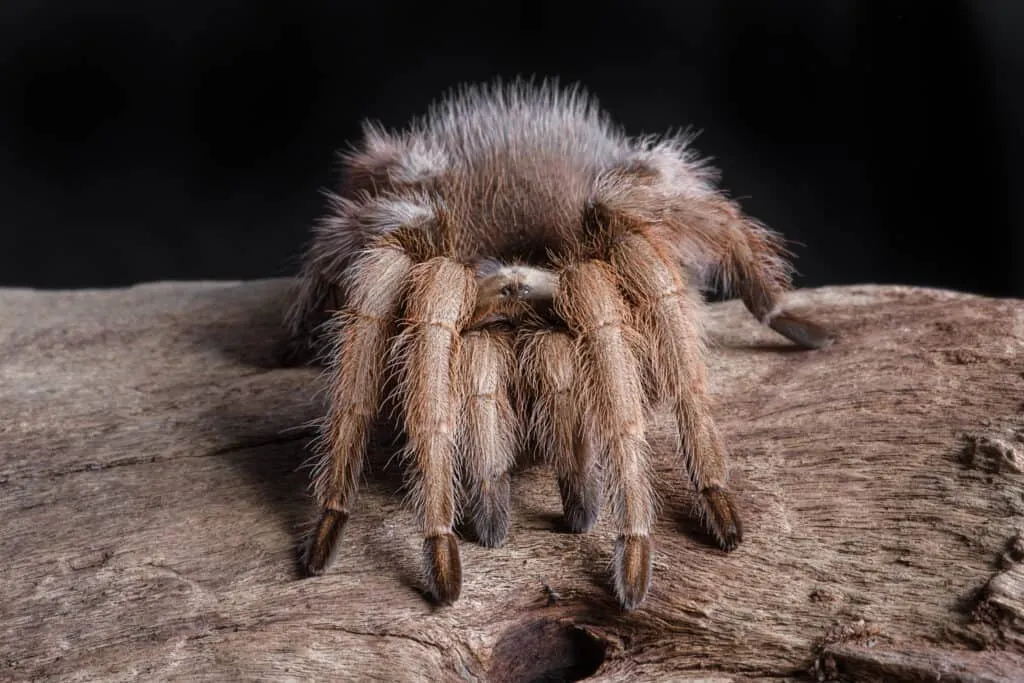
Tarantula Life Span The Basics
Tarantulas, with their captivating presence and fascinating behaviors, have become popular pets for many enthusiasts. Understanding their life span is crucial for responsible tarantula ownership. The question “How long do tarantulas live?” is a common one, and the answer varies significantly depending on several factors, including the species of tarantula, their sex, and the environment in which they are kept. Generally, tarantulas are known for their longevity, outliving many other common pets. This article delves into the various aspects of a tarantula’s life span, providing a comprehensive guide for both current and prospective tarantula owners. We’ll explore the average life expectancies, the factors that affect how long these creatures live, and how to provide the best possible care to ensure your tarantula thrives.
Factors Influencing Tarantula Lifespan
Several key factors play a critical role in determining how long a tarantula will live. These include species, sex, environmental conditions, and the quality of care they receive. Each of these elements can significantly impact a tarantula’s lifespan, and understanding them is essential for any tarantula keeper. Providing an optimal environment and consistent care can significantly extend the life of these fascinating creatures, allowing you to enjoy their presence for many years.
Species and Their Lifespans

The lifespan of a tarantula varies widely depending on the species. Some species have relatively shorter lifespans, while others can live for decades. For example, certain species like the Chilean Rose Hair tarantula (Grammostola rosea) are known for their longer lifespans, often living for over 20 years in captivity. Others, like some of the more colorful or exotic species, may have shorter lifespans, sometimes only living for a few years. Researching the specific lifespan of your tarantula species is crucial for understanding what to expect and providing appropriate care.
Male Tarantulas vs Female Tarantulas Lifespan
A significant difference in lifespan exists between male and female tarantulas. Generally, female tarantulas tend to live much longer than males. This is a common characteristic among arachnids. Females can often live for 20 years or more, especially with proper care. Males, on the other hand, have a much shorter lifespan, typically only living for a few years after reaching maturity. This is primarily because males reach maturity sooner and focus on mating, which often leads to a shorter life. The disparity in lifespan highlights the importance of sexing your tarantula early on and understanding the different care requirements based on their sex.
Environmental Factors Affecting Lifespan
The environment in which a tarantula is kept is another critical determinant of its lifespan. A well-maintained environment mimics the tarantula’s natural habitat, reduces stress, and promotes overall health. Several environmental factors must be carefully managed to ensure a long and healthy life for your tarantula.
Temperature and Humidity

Maintaining the correct temperature and humidity levels is essential for a tarantula’s well-being. Tarantulas thrive in specific temperature ranges depending on their species. Too cold, and they become sluggish, potentially affecting their metabolism and overall health. Too hot, and they can become dehydrated. Humidity levels are equally important; too dry, and they can have trouble molting, while excessive humidity can lead to mold and fungal growth. Regular monitoring with a thermometer and hygrometer is crucial to ensure the environment is optimal.
Enclosure Size and Setup
The size and setup of the tarantula’s enclosure play a vital role in its lifespan. A well-designed enclosure should provide enough space for the tarantula to move around comfortably and exhibit natural behaviors. The enclosure should be escape-proof and have adequate ventilation to prevent the buildup of harmful gases. The substrate should be appropriate for the species, providing a comfortable and safe environment. Additionally, the enclosure should include hiding places, such as cork bark or artificial plants, to reduce stress and provide a sense of security.
Diet and Nutrition
Proper diet and nutrition are fundamental aspects of a tarantula’s health and longevity. Providing a balanced diet ensures they receive the necessary nutrients to thrive. The type of food and the frequency of feeding can significantly affect a tarantula’s lifespan.
Feeding Frequency

The feeding frequency should be tailored to the tarantula’s age, size, and species. Younger tarantulas and those that are actively growing need to be fed more frequently than adults. Overfeeding can lead to health problems, while underfeeding can stunt growth and reduce lifespan. It’s essential to observe your tarantula’s feeding habits and adjust the feeding schedule accordingly. A general guideline is to feed juveniles every few days and adults every week or two.
Water and Hydration
Providing fresh water is critical for tarantula hydration and overall health. Tarantulas absorb water through their food and by drinking from a shallow water dish. The water dish should always be clean and easily accessible. Regular misting of the enclosure is also beneficial, especially for species that require higher humidity levels. Ensuring proper hydration is crucial for their molting process and general well-being.
Common Health Issues and Lifespan
Like all living creatures, tarantulas are susceptible to certain health issues that can affect their lifespan. Recognizing and addressing these issues promptly is crucial for ensuring a long and healthy life for your tarantula. This includes the process of molting and various health conditions.
Moulting

Moulting is the process by which tarantulas shed their exoskeleton to grow. It’s a vulnerable time for them. During molting, tarantulas are particularly susceptible to injury. Providing a secure environment and avoiding disturbance during this process is critical. Incomplete molts can lead to various health issues, so ensuring proper humidity and environmental conditions during the process is crucial to facilitate successful molting.
Parasites and Diseases
While relatively hardy, tarantulas can be affected by parasites and diseases. Parasites, such as mites, can infest tarantulas and cause irritation and health issues. Diseases are less common, but can be caused by bacterial or fungal infections. Maintaining a clean enclosure and quarantining new tarantulas before introducing them to existing ones can help prevent these problems. Recognizing the symptoms of any health issues and seeking veterinary care when necessary are critical steps in maintaining a tarantula’s lifespan.
Predators of Tarantulas
In their natural habitats, tarantulas face various predators that can significantly impact their lifespan. Understanding these threats can help tarantula keepers provide a safe environment for their pets. Predation in captivity is rare, but knowledge of this can help in ensuring their safety.
How to Prolong a Tarantulas Life

Several steps can be taken to help prolong a tarantula’s life. These actions involve meticulous care and attention to their needs, and by doing so, you can maximize their lifespan and enjoy their presence for many years to come.
Providing Optimal Habitat
Creating and maintaining an optimal habitat is paramount. This includes providing an enclosure of the correct size, maintaining the appropriate temperature and humidity levels, and ensuring proper ventilation. A well-designed enclosure mimics the tarantula’s natural environment, reducing stress and promoting overall health. Regular cleaning of the enclosure to remove waste and uneaten food is also crucial to prevent the buildup of harmful bacteria and parasites.
Proper Feeding and Care
Proper feeding and consistent care are essential for extending a tarantula’s lifespan. Providing a balanced diet of appropriately sized insects is crucial. Avoid overfeeding and ensure fresh water is always available. Regular observation of your tarantula’s behavior and appearance can help detect any health issues early on. Handling should be kept to a minimum to avoid stress. By following these guidelines, you can provide the best possible care and significantly extend your tarantula’s lifespan.
In conclusion, the lifespan of a tarantula is influenced by a complex interplay of factors, including species, sex, environmental conditions, and the level of care provided. Understanding these factors and providing the necessary care is crucial for any tarantula owner. By providing an optimal habitat, a balanced diet, and attentive care, you can significantly increase the chances of your tarantula living a long, healthy, and fulfilling life, allowing you to enjoy the unique experience of owning these captivating creatures for many years to come.