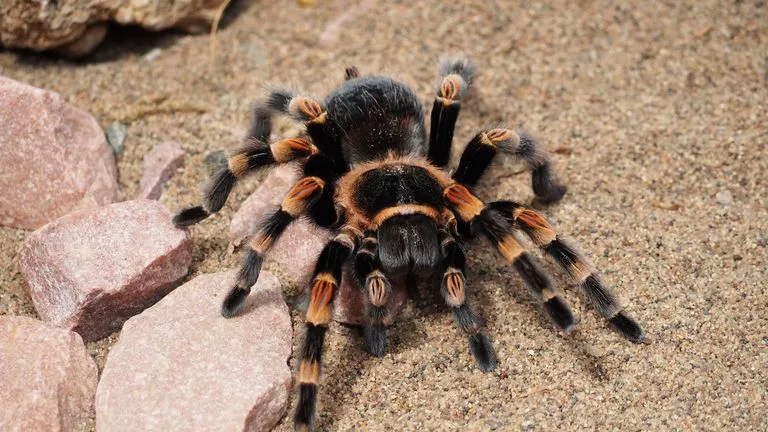
What is a Tarantula’s Main Ingredient?
When it comes to the health and well-being of your tarantula, the main ingredient is a balanced diet. Understanding what tarantulas eat in their natural habitats and how to replicate that in captivity is essential for their longevity and vitality. Tarantulas, being obligate carnivores, require a diet primarily consisting of insects. These arachnids have specific dietary needs that, when met, allow them to thrive in a captive environment. Providing the correct food not only keeps them alive but also contributes significantly to their growth, molting, and overall health. The main ingredient isn’t just about any food; it’s about the right food, given at the right intervals, to ensure your tarantula remains a fascinating and healthy pet. It’s a fascinating aspect of tarantula care that can make the difference between a thriving spider and one that struggles. Careful attention to the main ingredient is a cornerstone of responsible tarantula ownership.
The Importance of Nutrition for Tarantulas
Nutrition plays a critical role in the life of a tarantula. A well-nourished tarantula is more likely to have a longer lifespan, a healthier molting process, and be more resistant to diseases. Just like any other living creature, tarantulas require a diet rich in essential nutrients to support their bodily functions. These nutrients include proteins for growth and repair, fats for energy, and various vitamins and minerals for overall health. The quality of the food directly impacts the spider’s ability to thrive. A tarantula that receives a subpar diet may exhibit stunted growth, a delayed or difficult molting process, and decreased activity levels. A properly nourished tarantula, on the other hand, will display vibrant colors, robust health, and an active lifestyle. Understanding the importance of nutrition allows you to provide the best possible care for your pet, ensuring a fulfilling life for your tarantula.
What Do Tarantulas Eat in the Wild?

In their natural habitats, tarantulas are opportunistic predators that feed primarily on insects and other invertebrates. The diet of a wild tarantula varies depending on the environment, but typically includes a range of prey items. These can consist of insects such as crickets, beetles, grasshoppers, and even smaller spiders. Some larger tarantula species have been known to consume small vertebrates, like lizards, small snakes, or even small rodents. The availability of food sources will also influence what a tarantula eats. For example, tarantulas living in forested areas may consume more ground-dwelling insects, while those in grasslands might feed on grasshoppers and other surface-dwelling creatures. Understanding the natural diet of a tarantula is crucial in replicating it in captivity, which is a key factor in providing the best possible care. Replicating their natural diet promotes their health and encourages their natural behaviors.
Crickets
Crickets are a staple food source for many tarantula keepers. They are readily available, easy to breed, and relatively affordable. Crickets provide a good source of protein and other nutrients that are essential for tarantula growth and health. When feeding crickets to your tarantula, it’s important to ensure that the crickets are gut-loaded. This involves feeding the crickets nutritious food, such as vegetables and commercial cricket feed, before offering them to your tarantula. Gut-loading increases the nutritional value of the crickets and passes those nutrients onto your spider. Ensure the crickets are of appropriate size relative to your tarantula. Oversized crickets can pose a risk to the spider, while undersized crickets might not provide enough nutrition. Crickets can be an excellent main ingredient when properly managed and carefully selected for your tarantula’s diet.
Mealworms
Mealworms are another common food option for tarantulas. They are readily available and easy to store, making them a convenient choice for many pet owners. Mealworms are rich in protein but lower in other essential nutrients compared to crickets. Therefore, they should be part of a varied diet rather than the sole source of food. Similar to crickets, mealworms benefit from being gut-loaded before being fed to the tarantula. This enhances their nutritional profile, providing your spider with a more balanced intake of essential nutrients. It’s also wise to monitor your tarantula’s condition. If a tarantula is consistently fed only mealworms, there might be some health issues. Supplementing with other insects and, if appropriate, small vertebrates will help improve their diet. Mealworms can be a valuable addition to your tarantula’s diet, offering variety and convenience.
Cockroaches

Cockroaches, particularly species like Dubia roaches, are considered an excellent food source for tarantulas. They offer a high nutritional value and are generally easier to keep than crickets. Cockroaches are rich in protein, and have a favorable calcium-to-phosphorus ratio, which is crucial for the health of your tarantula. These insects are also less likely to escape and hide compared to crickets, making them a more manageable option for feeding. Cockroaches are also relatively slow-moving, making them easier for the tarantula to catch. The tough exoskeleton of the cockroach encourages natural behaviors such as hunting. The nutritional benefits and ease of management make cockroaches a top-tier main ingredient for a healthy tarantula diet.
Other Insects
Beyond crickets, mealworms, and cockroaches, there’s a variety of other insects that can be incorporated into your tarantula’s diet to ensure a balanced intake. These insects provide essential nutrients and add diversity to the spider’s meals. Other options include grasshoppers, superworms, and waxworms. Grasshoppers can be a good source of nutrients and provide a different texture and hunting experience for the tarantula. Superworms, similar to mealworms, are high in protein and can be a useful addition to the diet, but moderation is key due to their higher fat content. Waxworms are very high in fat and should be offered sparingly, as they are more of a treat than a staple. The key is to vary the diet to meet different nutritional needs and to promote healthy behavior. Including different insects ensures that your tarantula receives a well-rounded diet, contributing to its overall health and longevity.
The Role of Hydration
Hydration is as crucial as the food itself. Tarantulas obtain hydration primarily through their food and from a shallow water dish provided in their enclosure. Fresh, clean water should be available at all times. The water dish should be shallow to prevent the tarantula from drowning. Mist the enclosure periodically to maintain the appropriate humidity levels, which can also aid in hydration. Dehydration can lead to serious health issues for tarantulas, including molting problems and even death. Providing a constant source of clean water ensures that the tarantula stays hydrated, which is essential for its overall health and well-being. Ensuring proper hydration along with a well-balanced diet helps your tarantula thrive in captivity.
How to Choose the Right Insects

Choosing the right insects is fundamental for providing your tarantula with the best possible nutrition. When selecting insects, consider factors like size, nutritional value, and cleanliness. The size of the insects should match the size of your tarantula; a good rule of thumb is to choose insects that are no larger than the tarantula’s body. This prevents the spider from feeling overwhelmed and ensures it can successfully catch and consume its prey. Prioritize the nutritional value of the insects, and look for options that are rich in protein, vitamins, and minerals. Cleanliness is essential to reduce the risk of diseases or parasites. Always source insects from reputable breeders or pet stores that maintain high standards of care. The proper choice of insects is a testament to providing your tarantula with a high-quality diet.
Size Matters
Matching the size of the insects to the size of the tarantula is essential for successful feeding. Insects that are too large can overwhelm and potentially injure the spider. Conversely, insects that are too small may not provide enough sustenance. A safe guideline is to provide insects that are no longer than the body length of the tarantula. This not only ensures that the tarantula can handle its prey but also gives it the opportunity to engage in its natural hunting behavior. As the tarantula grows, you should gradually increase the size of the insects to meet its nutritional needs. Paying close attention to the size of the insects allows you to provide the correct amount of nutrition while minimizing any risk.
Nutritional Value
The nutritional value of the insects you feed your tarantula is paramount. Different insects offer varying amounts of protein, fat, and essential nutrients. A varied diet ensures that your tarantula gets all the necessary elements. Focus on providing a variety of insects to ensure a balanced diet. Gut-loading the insects before feeding can significantly boost their nutritional value. This process involves feeding the insects high-quality foods rich in vitamins and minerals, which are then passed onto the tarantula. Research the nutritional profiles of different insects to make informed choices, and select insects that meet the specific needs of your tarantula. A diet with good nutritional value will contribute to the health, growth, and longevity of your spider.
Benefits of a Varied Diet for Tarantulas

A varied diet offers numerous advantages for your tarantula, contributing to its overall health and well-being. A diet composed of various insects helps prevent nutritional deficiencies by ensuring a wide range of essential nutrients. Different insects have unique nutritional profiles, and offering a variety allows your tarantula to benefit from all of them. Moreover, a diverse diet can enrich your tarantula’s environment. It introduces different textures, tastes, and hunting experiences. A varied diet also promotes healthy behavior and encourages natural instincts. When your tarantula is provided with a range of food sources, it’s more likely to exhibit its natural predatory behavior, keeping it mentally stimulated. A varied diet is a crucial element in providing the best possible care for your tarantula and ensuring its long-term health.
Promoting Health and Longevity
The main ingredient in promoting health and longevity for your tarantula is a well-balanced diet and environment. This includes providing the right types of insects, ensuring they are appropriately sized and gut-loaded, and offering fresh water at all times. Along with nutrition, the environment plays a significant role in maintaining the spider’s health. Providing a clean, appropriately sized enclosure, with the correct substrate and humidity levels, helps prevent disease and supports the tarantula’s molting process. Regular monitoring of your tarantula’s eating habits, activity levels, and overall appearance helps you detect any potential health issues early on. By paying close attention to all these elements and proactively addressing any issues, you can significantly contribute to your tarantula’s health and increase its lifespan, allowing you to enjoy your pet for years to come.
Avoiding Common Dietary Mistakes
Avoiding common dietary mistakes is essential for maintaining the health of your tarantula. Overfeeding and feeding inappropriate prey are two of the most prevalent issues that can negatively impact the spider’s well-being. Overfeeding can lead to obesity, which stresses the tarantula’s internal organs, making it more susceptible to health problems. Feeding inappropriate prey, like insects from your garden or pets, can expose your tarantula to parasites and pesticides. Providing a diet that is too rich in one particular insect type may result in nutritional imbalances. It is always beneficial to research and learn about proper tarantula nutrition and care. Staying informed will help you avoid mistakes and provide the best possible care for your pet. Avoiding these errors will allow you to keep your tarantula happy and healthy.
Overfeeding

Overfeeding is a common mistake that can lead to severe health issues in tarantulas. Tarantulas, especially as juveniles, are prone to eating whatever is offered. Overfeeding can lead to obesity, a condition where the spider accumulates excessive fat reserves, which can hinder its mobility and overall health. An obese tarantula might have problems during molting or suffer from organ failure. The frequency of feeding should be adjusted based on the tarantula’s age, size, and species. It’s better to feed adult tarantulas less frequently, perhaps once or twice a week, and observe their behavior. Monitor the abdomen; if it appears overly large and distended, reduce the feeding frequency. Avoiding overfeeding and paying attention to your tarantula’s body condition will help you maintain its health and longevity.
Feeding Live Prey
Feeding live prey is an essential aspect of tarantula care. It provides the spider with an opportunity to exhibit its natural hunting behavior, which is important for its psychological well-being. However, there are risks associated with feeding live prey. Insects that are left in the enclosure for prolonged periods can injure the tarantula during molting, or they can start to consume the tarantula. To mitigate these risks, remove uneaten prey within 24 hours of feeding. Also, you should ensure that the insects you feed are healthy and free from parasites. Selecting appropriate-sized prey and monitoring your tarantula’s feeding habits are critical steps. Careful and attentive feeding practices contribute to the spider’s overall health, keeping it safe and engaged.
The Importance of a Clean Environment
Maintaining a clean environment is crucial for the health of your tarantula. A clean enclosure reduces the risk of diseases, infections, and other health problems. The enclosure should be cleaned regularly, removing any uneaten food, waste, and old molts. This prevents the buildup of bacteria and mold, which can be detrimental to the spider’s health. Proper ventilation is important to prevent the build-up of humidity and promote air circulation. Use a substrate that is appropriate for the tarantula’s species and easy to clean. The correct substrate also helps to maintain the required humidity levels. A clean environment contributes significantly to the well-being and longevity of your tarantula, helping it to thrive in a safe and healthy habitat. The main ingredient for a healthy tarantula is a combination of the right food and a clean environment.
Maintaining a Healthy Habitat

Maintaining a healthy habitat for your tarantula involves several key components that contribute to its overall well-being. Temperature and humidity levels need to be maintained at the ideal range for the species. Adequate ventilation is essential to prevent the build-up of harmful gasses and to promote air circulation. The substrate should be appropriate for the tarantula’s species and needs to be changed periodically to maintain cleanliness and prevent the growth of mold. Providing hiding places, such as a cork bark, or a hide, allows the tarantula to feel secure and reduce stress. A healthy habitat ensures that the tarantula has the best possible environment to thrive. By taking these steps, you will provide your tarantula with a safe and comfortable place to live, contributing to its health and longevity.