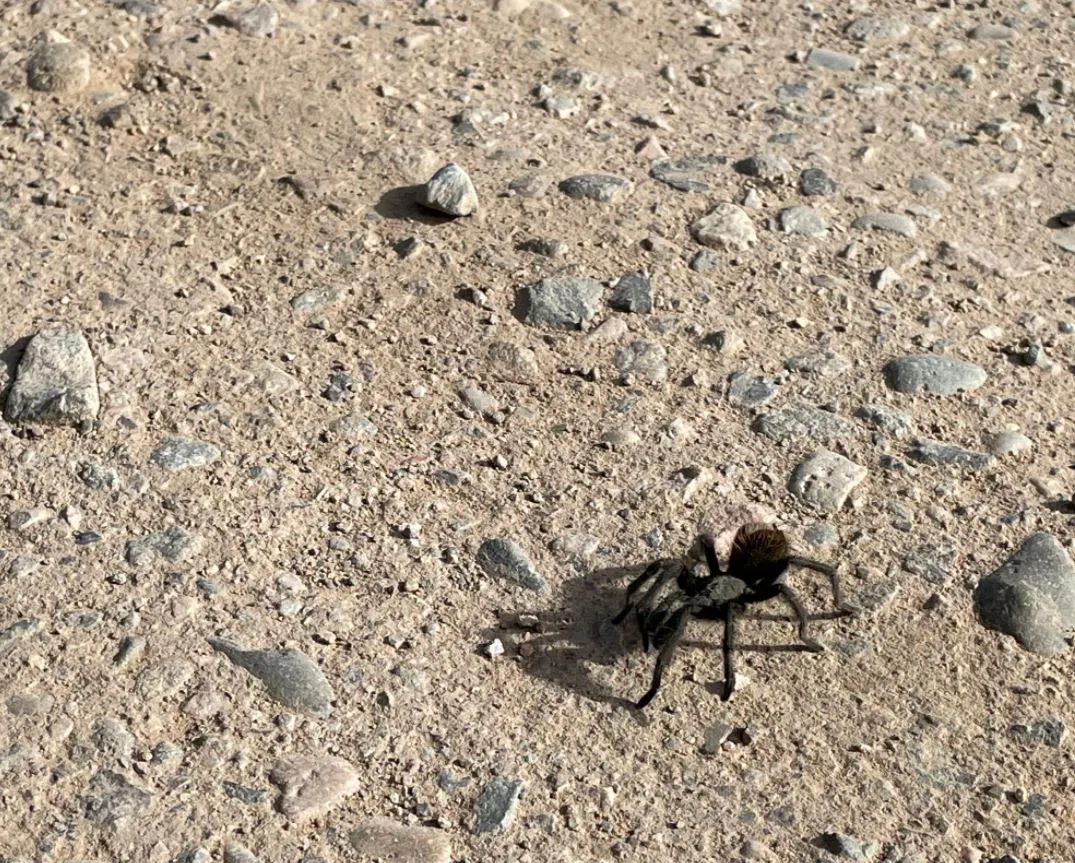
What is the Tarantula Migration
The tarantula migration in Southeast Colorado is a remarkable natural phenomenon where thousands of male tarantulas embark on a journey. This spectacular event, often occurring in late summer and early fall, is a crucial part of their life cycle. It’s the time when mature male tarantulas leave their burrows in search of a mate. These large, hairy spiders become quite visible as they traverse the landscape, making them a fascinating sight for wildlife enthusiasts and nature lovers. This migration is not only a biological imperative for the tarantulas but also a key indicator of the health and balance of the local ecosystem. Witnessing this migration is an unforgettable experience, offering a unique glimpse into the world of these often-misunderstood creatures.
Understanding the Tarantula’s Life Cycle
To fully appreciate the tarantula migration, understanding their life cycle is essential. Tarantulas, like all spiders, undergo several molts as they grow. They spend most of their lives as solitary creatures, living in burrows they dig in the ground. The females typically stay in their burrows, while the males venture out once they reach maturity. The males’ primary goal is to find a mate, which triggers the mass migration. The timing of the migration is often influenced by environmental factors such as temperature and humidity, with optimal conditions leading to the most active periods. The entire process, from hatching to maturity, can take several years, making the migration a significant milestone in a tarantula’s life.
Mating Rituals of Tarantulas

The mating rituals of tarantulas are as fascinating as the migration itself. When a male tarantula finds a receptive female, he must approach her cautiously. He often drums on the ground or webs, signaling his intentions. The male then deposits his sperm onto a specialized web, which he then transfers to the female. The female, if receptive, will allow the male to mate. However, the encounter can be perilous for the male, as females sometimes attack and eat their mates. After mating, the female will lay eggs in a silk egg sac, which she guards until the spiderlings hatch. The survival of the next generation relies on this critical mating process, making the migration a vital event for the tarantula population.
When and Where the Migration Happens
The tarantula migration in Southeast Colorado typically occurs from late August to early October, though the exact timing can vary depending on the weather. The best locations to witness this spectacle are in the grasslands and open areas of Southeast Colorado, especially near towns like La Junta, Las Animas, and Trinidad. During this period, the males become most active and visible, making it an ideal time to observe them. The migration often coincides with the warmer temperatures of late summer and the cooling temperatures of early fall. This period provides a good environment for both the male tarantulas on their journey and for the females to prepare for their potential offspring. Observing this event is weather-dependent, and it’s best to plan your visit with this in mind.
Southeast Colorado as a Hotspot
Southeast Colorado’s unique geographical and climatic conditions make it an ideal habitat for tarantulas, turning it into a major hotspot for the annual migration. The open grasslands, abundant insect populations, and suitable soil conditions provide the necessary environment for tarantulas to thrive. This area supports a large tarantula population, and the vast landscapes make it easier to observe the migration. The specific microclimates also contribute to the timing and intensity of the migration. This region’s popularity with tarantulas highlights the importance of conserving this unique ecosystem. The availability of suitable burrows and food sources ensures the tarantulas’ survival and makes the area a premier location for this event.
Key Locations to Observe the Migration

Several areas in Southeast Colorado are known hotspots for tarantula migration. The Comanche National Grassland offers vast open spaces perfect for spotting these spiders. Specific trails and areas around La Junta, Las Animas, and Trinidad often see high concentrations of tarantulas. Local parks and wildlife refuges are also excellent locations, with established trails providing safe and accessible viewing opportunities. Always check local conditions and any advisories before heading out. Consider using a map and binoculars to help locate tarantulas. Some areas may require permits or have specific rules for visitors to ensure the safety of both the observers and the tarantulas.
Best Time to Witness the Migration
The best time to witness the tarantula migration is usually from late afternoon to dusk, when the males are most active. The cooler temperatures of the evening encourage them to emerge from their burrows and begin their search for mates. Weekends tend to draw larger crowds. This is the optimal time to increase the chance of spotting numerous tarantulas crossing the trails and roads. During these hours, the lower angle of the sun also provides better visibility. Planning your visit accordingly will significantly improve your chances of seeing the migration in action. Always be prepared with proper equipment like flashlights or headlamps for safety.
What to Expect During the Migration
During the tarantula migration, you can expect to see male tarantulas actively moving across the landscape. They will often be seen crossing roads, trails, and open grasslands in search of mates. You might also observe them interacting with other tarantulas, sometimes engaging in courtship rituals or even fighting. Be prepared for a slow and steady pace, as tarantulas are not known for their speed. You should also be aware that they are wild animals and can exhibit defensive behaviors if they feel threatened. Bring appropriate clothing, water, and snacks. Finally, expect to encounter other nature enthusiasts eager to witness this incredible event, so be prepared to share the experience respectfully.
Spotting and Identifying Tarantulas

Spotting and identifying tarantulas requires a keen eye and patience. Look for large, hairy spiders with eight legs, usually crossing roads or trails. Males can be identified by their larger size and more slender build compared to females. Pay close attention to the color, which can vary depending on the species. In Southeast Colorado, the most common species is the Texas Brown Tarantula, which is known for its brown coloration. If you want to photograph the tarantulas, maintain a safe distance and avoid disturbing them. Using binoculars can aid in spotting tarantulas from afar. If you are unsure, take photos and consult a field guide or local expert for accurate identification.
Other Animals on the Move
The tarantula migration is not the only wildlife activity during this season in Southeast Colorado. Other animals may also be on the move, including various insects, birds, and small mammals. This is a great time to observe the overall ecosystem and how all the species interact. Watch out for other creatures that may be attracted to the same environment as tarantulas, such as owls or coyotes. The presence of other animals can provide further insight into the ecological dynamics of the area. Observing the other animals provides a richer understanding of the natural environment.
Safety Tips for Tarantula Viewing
Safety is paramount when observing the tarantula migration. Always maintain a respectful distance from the tarantulas and avoid handling them. Tarantulas can bite if they feel threatened, although their venom is generally not life-threatening to humans. Watch where you step and be mindful of your surroundings to avoid disturbing or stepping on the tarantulas. Wear sturdy shoes, long pants, and closed-toe shoes for protection. It is also advisable to bring a first-aid kit in case of any unforeseen incidents. Always inform someone of your plans and carry a cell phone for emergencies. Moreover, adhere to all park regulations and guidelines to ensure both your safety and the conservation of the wildlife.
Respecting Tarantulas and Their Habitat

Respecting tarantulas and their habitat is crucial for the conservation of this unique phenomenon. Avoid disturbing the tarantulas, their burrows, and the surrounding environment. Do not collect or remove tarantulas from their habitat. Stick to established trails to minimize your impact on the landscape. Practice Leave No Trace principles by packing out all trash and minimizing your footprint. Educate yourself and others about tarantulas and their importance in the ecosystem. Supporting local conservation efforts and organizations helps protect tarantulas and their habitats for future generations. By respecting their natural environment, you can ensure this amazing event continues to thrive.
The Importance of Conservation
The tarantula migration is a valuable indicator of the health of the ecosystem, highlighting the importance of conservation efforts. Protecting the habitat of tarantulas ensures the survival of this species and the many others that depend on a healthy environment. Support local conservation groups and initiatives dedicated to preserving the natural habitats of Southeast Colorado. Advocate for responsible land management practices that protect wildlife and their habitats. Conservation efforts help protect the delicate balance of nature and maintain the biodiversity of the region. By prioritizing conservation, we can ensure that future generations will also have the opportunity to witness this remarkable migration.