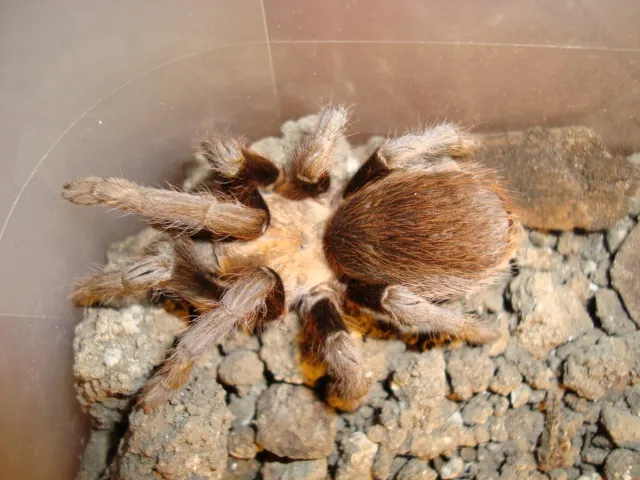
What is the Southeast Colorado Tarantula Migration
The Southeast Colorado Tarantula Migration is a remarkable annual event where thousands of tarantulas embark on a journey, typically in late summer and early fall. This spectacle is one of the most fascinating wildlife events in the state, drawing the attention of nature enthusiasts, photographers, and scientists alike. During this time, male tarantulas leave their burrows in search of mates, often traveling several miles across the grasslands and roads of the region. This migration is a crucial part of their life cycle, and witnessing it offers a unique glimpse into the world of these often-misunderstood creatures. The landscape transforms as the tarantulas become a common sight, making for an unforgettable experience for those lucky enough to witness it firsthand. The migration is not only a display of nature’s grand design but also an important ecological process, as it influences the genetic diversity and population dynamics of the tarantula species.
Understanding the Tarantula Life Cycle
To truly appreciate the migration, understanding the tarantula’s life cycle is essential. Tarantulas, like all spiders, undergo several molting stages as they grow. They spend most of their lives in burrows, which they excavate in the ground. The lifespan of a tarantula can vary, with females living for many years, sometimes over 20 years in the wild, while males typically live for a shorter period, often only a few years, and they die after mating. The migration is primarily driven by the reproductive needs of the male tarantulas. After reaching maturity, they leave their burrows in search of females. The timing of the migration is also closely linked to environmental factors, such as temperature and rainfall, which trigger the emergence of the spiders and set the stage for their annual journey. The lifecycle of a tarantula showcases the intricate balance of nature, with each stage playing an important role in the survival of the species.
Why do Tarantulas Migrate

The primary reason for the tarantula migration is reproduction. Adult male tarantulas embark on this journey to find mates, as they cannot reproduce within their burrows. The males will leave their burrows and actively seek out females, using pheromones to locate them. The journey can be perilous, exposing them to predators, vehicles, and harsh weather conditions. Females, on the other hand, remain in their burrows, waiting for the males to arrive. The migration is a race against time, as the males must find a mate before they die. The successful pairing results in the continuation of the tarantula species, demonstrating nature’s inherent drive for reproduction. The migration ensures genetic diversity and survival, making it a vital component of the tarantula’s existence.
The Role of Mating in Migration
Mating is the ultimate goal of the Southeast Colorado tarantula migration. Once a male tarantula locates a female, a complex courtship ritual ensues. The male taps on the female’s burrow or web, attempting to signal his intentions and avoid being mistaken for prey. If the female is receptive, the mating process begins, and the male must carefully deposit his sperm into the female’s reproductive organs. After mating, the male’s life is usually short-lived. The female will then lay her eggs in a silken egg sac, which she protects until the spiderlings hatch. The mating process is, therefore, the culmination of the migration, ensuring the survival of the species and the continuation of the tarantula life cycle. It is a fascinating spectacle, highlighting the intricate behaviors driven by the need to reproduce and perpetuate the species.
Top 5 Amazing Facts about the Southeast Colorado Tarantula Migration
Fact 1 Incredible Numbers

The sheer number of tarantulas involved in the Southeast Colorado migration is astounding. Thousands, possibly even tens of thousands, of tarantulas participate in this annual event. This massive movement of spiders across the landscape is a sight to behold. Roads, fields, and trails become active with these arachnids during the peak of the migration season. The sheer density of the spiders is a testament to the thriving tarantula population in the region. This impressive number makes the migration one of the most significant wildlife events in Colorado, drawing visitors from across the country. This sheer volume of tarantulas highlights the robustness of the tarantula population in this region, making it a remarkable natural spectacle.
Fact 2 Timing is Everything
The timing of the tarantula migration is incredibly precise, typically occurring in late summer or early fall. The specific dates can vary slightly from year to year, depending on weather patterns, but generally, the migration begins in late August or early September and continues through October. Warm temperatures and recent rainfall are critical factors that can trigger the tarantulas to emerge from their burrows. This sensitivity to environmental conditions adds an element of unpredictability to the event. Knowing the optimal timing is essential for anyone hoping to witness the migration. Local weather reports and expert insights often provide valuable information on when the migration is expected to peak. Careful observation and planning are often required for anyone hoping to witness this amazing natural phenomenon.
Fact 3 Unique Behaviors During Migration
During the migration, tarantulas exhibit a range of unique behaviors. Male tarantulas are primarily focused on finding females, and they can be observed actively searching for them. They will often be seen walking on roads, crossing fields, and even scaling obstacles in their path. While on the move, they also face the dangers of predators and the environment. The tarantulas display intricate courtship rituals when they find a receptive female. They may tap on the female’s burrow or web to signal their presence, performing delicate dances to show off their prowess. These behaviors provide a unique opportunity to observe the fascinating intricacies of the tarantula’s life, demonstrating the complexity of animal behavior in nature. These specific behaviors provide a closer look at the challenges and strategies used by these creatures.
Fact 4 The Predators and Prey

The tarantula migration showcases the complex predator-prey relationships in the ecosystem. Tarantulas, while formidable predators themselves, become prey for various animals during the migration. Birds of prey, coyotes, and other animals will take advantage of the opportunity to hunt the migrating tarantulas. The tarantulas, in turn, are predators of insects and other small creatures. This creates a dynamic environment in which different species interact. Understanding these relationships highlights the interconnectedness of all life within an ecosystem. The migration is a critical part of the food chain, serving as a vital food source for several other animals. Therefore, observing the migration allows one to witness the intricate balance of nature.
Fact 5 Geographic Significance
The Southeast Colorado tarantula migration highlights the significance of the region’s unique geography and climate. The grasslands and semi-arid landscapes provide the ideal habitat for the tarantulas to thrive. The timing of the migration is heavily influenced by the region’s specific weather patterns. The presence of this migration is also an indicator of the overall health of the environment. Conserving these habitats is essential to ensure the tarantulas can continue their journey. The migration adds to the region’s biodiversity and offers important insights into the local ecological balance. The geographic significance shows the interconnectedness between the local environment and the tarantulas’ behavior.
Best Places to See the Tarantula Migration
Several locations in Southeast Colorado are known for being prime viewing spots for the tarantula migration. The areas around the Comanche National Grassland and the surrounding roads are popular choices for observing these spiders. Check local resources for specific areas to explore, while also being mindful of private property. Always remember to respect the wildlife and avoid disturbing the tarantulas. Observing the migration requires patience and observation skills. Be prepared to drive slowly and look carefully for the tarantulas crossing the roads. The ideal locations offer a combination of open grasslands and accessible roads, giving the best chances to witness the migration. Also, it’s wise to be aware of any potential safety issues, such as traffic and weather conditions.
Tips for Observing the Migration

To maximize the experience, follow these tips for observing the Southeast Colorado tarantula migration. The best time to visit is late August to October. Check the weather forecast and local reports for updates. Drive slowly, especially during dusk and dawn, and keep a safe distance from the tarantulas to avoid disturbing or harming them. Bring a camera to document the event, but avoid using flash photography, which can disrupt the spiders. Wear sturdy shoes and appropriate clothing for the climate. Be respectful of the environment and other visitors. Also, remember to bring plenty of water, as the area can be arid. Be aware of the potential hazards, such as traffic and wildlife. Finally, embrace the beauty of the experience, allowing yourself to be amazed by this incredible natural phenomenon.