What is Tarantula Molting
Tarantula molting is a natural and essential process for these fascinating arachnids. It’s how they grow, shed old exoskeletons, and regenerate lost limbs. The exoskeleton, made of chitin, doesn’t grow, so the tarantula periodically sheds it, revealing a new, larger one underneath. This process allows tarantulas to increase in size throughout their lives, from the tiny spiderlings to the impressive adults we often see in the pet trade. Understanding molting is key to responsible tarantula ownership, ensuring you can provide the best possible care during this vulnerable time.
The Molting Process
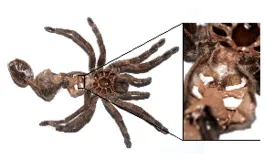
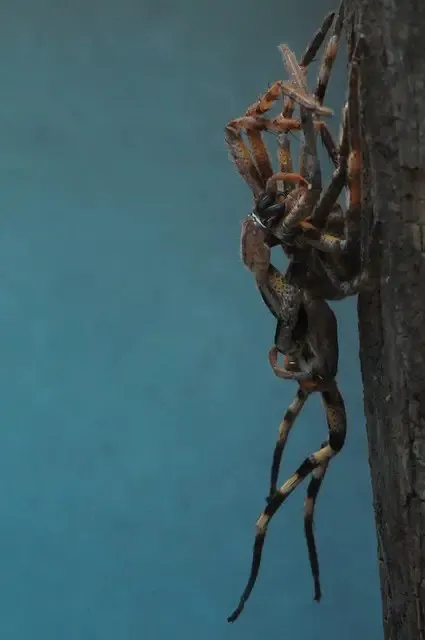
The molting process is quite dramatic. The tarantula begins by secreting a fluid between its old exoskeleton and the new one forming underneath. It then lies on its back, a position that helps it shed the old shell. The exoskeleton splits open, usually along the carapace (the top part of the body) and the legs, and the tarantula slowly pulls itself out. It’s a delicate operation, and the tarantula can be very vulnerable during this time. The newly molted tarantula is soft and its new exoskeleton is still developing. It’s very important to avoid disturbing them during and after molting.
Pre-Molting Signs

Recognizing the signs of an upcoming molt is crucial. Many tarantulas will refuse food for a period of time before molting. Their abdomens may appear darker, and the exoskeleton might look duller or less vibrant. Some tarantulas will also become less active and may spend more time hiding in their burrow or hiding spot. The abdomen may look swollen, and the tarantula might appear sluggish. It’s important to observe your tarantula’s behavior and appearance to anticipate the molt and prepare accordingly. Proper preparation will help minimize the risk of complications.
Post-Molting Care
After molting, the tarantula’s exoskeleton will be soft, and it will need time to harden. Do not feed the tarantula for at least a week or two, or until its fangs have completely hardened. Provide plenty of fresh water, and maintain the correct humidity levels for your tarantula species. Avoid handling the tarantula during this period, as the new exoskeleton is extremely vulnerable. The tarantula’s colors may also appear brighter and more vibrant after molting. This is a good sign that the molting process was successful. Be patient and allow your tarantula to fully recover before resuming normal activities.
How to Help Your Tarantula During Molting
While tarantulas are largely self-sufficient during molting, there are a few things you can do to help ensure a successful molt. The most important thing is to provide a stress-free environment. Avoid any disturbances, like sudden noises or vibrations near the enclosure. Make sure the enclosure is clean and that your tarantula has access to fresh water. Maintain the correct temperature and humidity levels, which are critical for the molting process. By creating the right conditions, you can significantly increase the chances of a successful and healthy molt for your pet.
Provide a Safe Environment

A safe and undisturbed environment is paramount during molting. Make sure the enclosure is stable and not prone to vibrations. Keep the enclosure away from high-traffic areas or places where sudden noises could startle the tarantula. Ensure the substrate is appropriate for your tarantula species and deep enough for burrowing if it’s a terrestrial species. If you have any other pets in the house, ensure they can’t access or disturb the tarantula’s enclosure. A secure, stable environment will help the tarantula feel safe and allow it to focus on the molting process.
Maintain Humidity and Temperature
Correct humidity and temperature levels are critical for a successful molt. Use a hygrometer and thermometer to monitor the conditions inside the enclosure. The specific humidity and temperature requirements will vary depending on your tarantula species. Research the specific needs of your tarantula, and make adjustments as necessary. Misting the enclosure or providing a water dish can help maintain humidity. Ensure the temperature is stable and within the appropriate range. Fluctuations in temperature or humidity can stress the tarantula and lead to problems during molting. By maintaining the correct conditions, you’re providing the best chance for a healthy molt.
Avoid Disturbing Your Tarantula
One of the most crucial things you can do during a molt is to avoid disturbing your tarantula. This means refraining from handling it, even if you normally handle it regularly. Avoid opening the enclosure unnecessarily, and minimize any vibrations near the enclosure. Any disturbance can stress the tarantula and potentially interfere with the molting process, leading to complications. Observe from a distance and let nature take its course. Patience is key during this time, and allowing your tarantula to molt in peace is the best way to support its well-being.
What NOT to Do During Molting
There are several things you should avoid during a tarantula molt. Do not try to assist the tarantula in shedding its old exoskeleton, as this can cause serious injury. Do not feed the tarantula until its fangs have fully hardened. Do not handle the tarantula until its new exoskeleton has completely hardened, which usually takes about a week or two. Avoid disturbing the enclosure or making any sudden changes to the environment. By knowing what to avoid, you can help ensure a successful molt.
Feeding Your Tarantula
Do not feed your tarantula during the molting process or immediately after. This is a common mistake, because the tarantula’s fangs, like the rest of the body, are still soft and vulnerable. Wait until the fangs have hardened before offering food. Once the tarantula is ready to eat, start with small portions of food, such as a small cricket or mealworm. Observe your tarantula’s behavior, and increase the size of the portions gradually. Overfeeding can stress a tarantula after molting. The timing is critical to allow the tarantula to fully recover and regain its strength. Be patient and follow the guidelines for your specific tarantula species.
Handling Your Tarantula
Avoid handling your tarantula during and immediately after molting. The exoskeleton is soft and fragile, and any handling could cause serious injury or even death. Even after the molt is complete, wait until the exoskeleton has fully hardened before resuming normal handling. The time it takes for the exoskeleton to harden can vary depending on the species and the size of the tarantula. If in doubt, err on the side of caution and give your tarantula a little more time. If you handle your tarantula regularly, this may be a difficult time, but remember their safety always comes first.
Common Problems During Molting

While molting is a natural process, complications can arise. Knowing the common problems can help you identify any issues and provide the best possible care. The most common issues are related to environmental problems, such as improper humidity, or temperature or stress due to disturbances. If you can identify the problem early, you can sometimes prevent serious issues. However, in many cases, the best approach is to let the tarantula continue the process without interference.
Failed Molts
A failed molt occurs when the tarantula is unable to shed its old exoskeleton completely. This can be caused by a variety of factors, including low humidity, improper temperature, or underlying health problems. If the tarantula gets stuck in its old skin, it may be unable to free itself. A failed molt can be fatal if the tarantula cannot escape the old exoskeleton. Unfortunately, there is often little you can do to save a tarantula during a failed molt. It’s always best to provide the correct environment from the start.
Lost Limbs
It is common for tarantulas to lose limbs during molting. This is because the new limb is still forming and vulnerable during the molt. Often, the tarantula will regenerate the lost limb in the next molt. There is usually no cause for alarm, as long as the tarantula is otherwise healthy and able to eat. However, lost limbs can be a sign of an underlying problem. Make sure your tarantula has a proper habitat, and consider the overall health of your tarantula.
Conclusion
Tarantula molting is a remarkable process, providing an opportunity for growth and regeneration. By understanding the molting process, recognizing the signs, and providing proper care, you can help your tarantula molt safely and successfully. Creating a safe, stable, and undisturbed environment is the key to supporting your tarantula during this vulnerable time. Patience, observation, and providing the correct environmental conditions will ensure the best possible outcome, leading to a healthy and thriving pet. Enjoy the fascinating experience of owning a tarantula and witnessing this unique life cycle event.