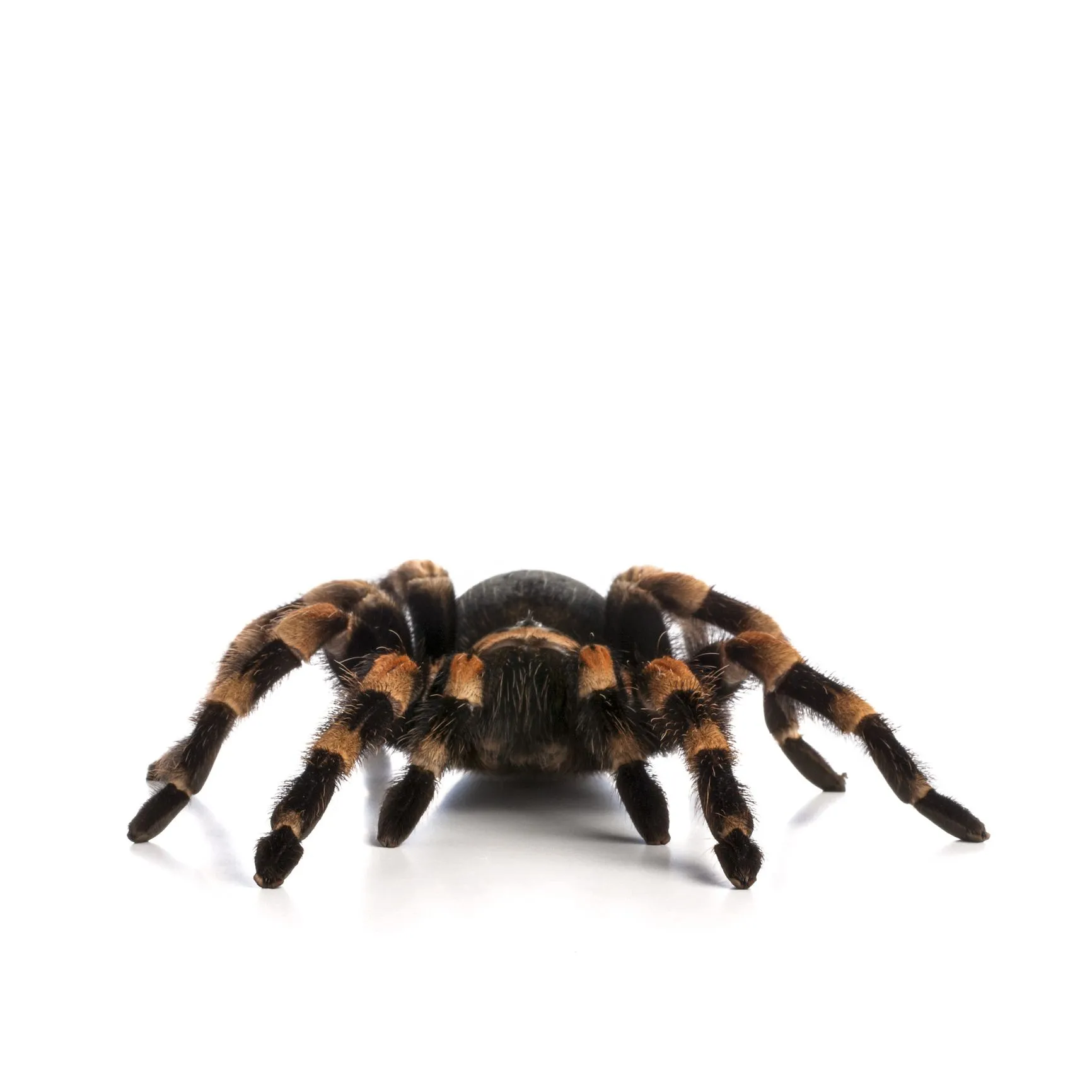
The tarantula mouse, a fascinating and unique pet, offers a captivating glimpse into the world of exotic animal care. These small rodents, known for their docile nature and relatively easy care requirements, are gaining popularity among pet enthusiasts. This comprehensive guide will provide you with all the essential information you need to understand and care for these intriguing creatures, ensuring a happy and healthy life for your tarantula mouse. From habitat setup and feeding to health maintenance and interaction, we’ll cover everything you need to know to get started.
What is a Tarantula Mouse
The term ’tarantula mouse’ is often used to describe a specific type of mouse bred for its docile temperament and suitability as a pet. They are not a distinct species in the same way as a dog breed. These mice are typically bred to be smaller and have more predictable behaviors, making them easier to handle and care for compared to wild mice. They are often characterized by their inquisitive nature and relatively low maintenance needs, making them a good choice for those new to pet ownership. Understanding their unique characteristics is the first step toward becoming a responsible owner.
Origin and Background
While the exact origins are not as clearly defined as some breeds, tarantula mice are essentially domesticated house mice (Mus musculus). Over time, through selective breeding, breeders have aimed to cultivate traits that make these mice more suitable as pets. The focus has been on creating mice with friendlier dispositions, smaller sizes, and, in some cases, interesting coat colors or patterns. This domestication process has resulted in mice that are quite different from their wild counterparts, in terms of both behavior and physical characteristics. Their lineage can be traced back to the common house mouse, but their current form is a product of human intervention to create a companion animal.
Appearance and Characteristics

Tarantula mice typically exhibit the standard mouse anatomy, with small bodies, prominent ears, and long tails. Their size can vary, but they are generally smaller than wild mice. A key characteristic is their coat, which can come in a variety of colors and patterns, thanks to selective breeding. Common colors include white, brown, black, and combinations thereof. Beyond their physical appearance, tarantula mice are known for their gentle nature. They are generally less prone to biting or aggression than wild mice. This makes them easier to handle and interact with. They are active, curious creatures that enjoy exploring and interacting with their environment. They are intelligent animals capable of learning simple routines and responding to their owners’ voices and presence.
Setting Up Your Tarantula Mouse Habitat
Creating the right habitat is crucial for the well-being of your tarantula mouse. A properly designed enclosure provides a safe and stimulating environment where your pet can thrive. Consider the following factors to ensure that your tarantula mouse has a comfortable and enriching living space. This section will guide you through the essentials of setting up a perfect home for your new pet, from selecting the appropriate enclosure to providing the right substrate and furnishings.
Choosing the Right Enclosure
The enclosure should be spacious enough to allow for movement and exploration, but also secure enough to prevent escapes. Glass aquariums or plastic bins are common choices, as they provide good ventilation and visibility. A secure wire-topped cage can also work, but be sure that the wire spacing is small enough to prevent the mouse from escaping. The enclosure should be at least 10 gallons for a single mouse and larger for multiple mice. The size of the enclosure directly impacts the quality of life for your tarantula mouse, and a larger space provides more opportunities for enrichment and exercise. The enclosure should also be easy to clean and maintain, to promote good hygiene and reduce the risk of illness.
Substrate and Furnishings

The substrate is the bedding material that covers the bottom of the enclosure. It should be absorbent, safe, and easy to clean. Popular options include paper-based bedding, aspen shavings, and hemp bedding. Avoid cedar and pine shavings, as they can release harmful oils. Provide a deep layer of substrate to allow the mouse to burrow and feel secure. Furnishings are essential for enrichment. Include items such as a hideaway house, tunnels, climbing structures, and toys. These items provide opportunities for exploration, exercise, and mental stimulation. A food dish and a water bottle or bowl are also essential. Ensure all items are non-toxic and safe for your pet. Changing the substrate regularly is vital to maintain a clean environment and prevent odors.
Temperature and Humidity
Tarantula mice thrive in a temperature range of 65-75°F (18-24°C). Avoid placing the enclosure in direct sunlight or near drafts. Maintaining a stable temperature is crucial for their health and comfort. The humidity level should be relatively low, around 30-50%. Excessive humidity can lead to respiratory issues. Proper ventilation is essential to prevent humidity buildup. Monitoring the temperature and humidity levels with a thermometer and hygrometer can help you create the ideal environment for your pet. The enclosure’s location should be considered to ensure it is away from extreme temperature fluctuations.
Feeding Your Tarantula Mouse
A balanced diet is fundamental to the health and longevity of your tarantula mouse. Providing the right foods, in the correct amounts, ensures that your pet receives the necessary nutrients to thrive. This section will cover everything you need to know about feeding your tarantula mouse, from what types of food are best to how often you should feed them. Proper nutrition not only supports their physical health but also contributes to their overall well-being and happiness.
What to Feed

A high-quality commercial mouse food mix should form the base of your tarantula mouse’s diet. These mixes are specially formulated to provide a balanced blend of grains, seeds, and vitamins. Supplement their diet with fresh fruits and vegetables in small quantities. Safe options include leafy greens, carrots, apples, and berries. Avoid feeding them citrus fruits, onions, and other potentially toxic foods. Occasional treats, such as small amounts of seeds or nuts, can be offered, but should be given sparingly. Always provide fresh, clean water. Consider offering occasional protein-rich supplements like mealworms or cooked chicken for added nutrients.
Feeding Frequency and Amounts
Feed your tarantula mouse once a day, providing a measured amount of food. The exact amount will depend on the size and activity level of your mouse, but a general guideline is about 1-2 tablespoons of the commercial mix per mouse per day. Adjust the amount based on whether they are consistently finishing their food. Fresh fruits and vegetables can be given in small portions, typically a teaspoon or two daily. Ensure that fresh food is removed within a few hours to prevent spoilage. Always provide fresh water in a sipper bottle or a shallow bowl. Regularly check the water source to ensure it is clean and functioning correctly.
Watering and Hydration
Clean, fresh water is critical for your tarantula mouse’s health. Provide water in a sipper bottle or a heavy, shallow bowl that can’t be easily tipped over. Sipper bottles are often preferred because they keep the water cleaner and prevent it from becoming soiled with bedding. If using a bowl, change the water daily and clean the bowl regularly. Check the water source daily to ensure it is working properly. Dehydration can be a serious health risk for mice, so ensuring consistent access to clean water is essential for their survival and well-being. Place the water source in a location away from direct sunlight and food sources to maintain water quality.
Tarantula Mouse Health and Care

Maintaining your tarantula mouse’s health involves regular monitoring, recognizing common health issues, and providing preventative care. A proactive approach to health care will help you ensure that your pet lives a long, happy life. This includes understanding the common ailments that can affect tarantula mice and knowing when to seek veterinary attention. Additionally, regular health checks, a balanced diet, and a clean living environment all play a significant role in their overall well-being. Prioritizing your pet’s health is a cornerstone of responsible pet ownership.
Common Health Issues
Tarantula mice, like all pets, are susceptible to certain health issues. Respiratory infections are common and can be caused by poor ventilation or exposure to irritants. Watch for signs like sneezing, wheezing, and discharge from the eyes or nose. Skin problems, such as mites or fungal infections, can also occur. Inspect your mouse regularly for any unusual bumps, redness, or hair loss. Dental issues, such as overgrown teeth, can interfere with eating. Ensure that they have access to items to gnaw on to help wear down their teeth. Consult a veterinarian if you notice any signs of illness. Early detection and treatment are key to a positive outcome.
Preventative Care and Vet Visits
Preventative care is vital to maintaining your tarantula mouse’s health. Keep the enclosure clean and provide a balanced diet. Perform regular health checks, looking for any changes in behavior, appearance, or eating habits. While routine veterinary visits are not always necessary, it’s a good idea to establish a relationship with a veterinarian who is knowledgeable about small mammals. Take your tarantula mouse to the vet if you suspect any health issues or if you have any concerns. Regular check-ups can help catch potential problems early. Always handle your mouse gently and avoid any sudden movements that could cause stress. A healthy mouse is a happy mouse, so a commitment to preventative care will ensure they have a long and enjoyable life.
Handling and Interaction

Building a strong bond with your tarantula mouse through safe and positive interactions is key to a rewarding pet ownership experience. Proper handling and understanding their behavior are essential for creating a trusting relationship. This section will cover the best practices for safely handling your pet and how to interpret their behaviors to enhance your connection with them. Safe and positive interactions not only create a closer bond but also help in the early detection of health or behavioral issues.
Safe Handling Techniques
Approach your tarantula mouse slowly and gently. Allow them to get used to your presence before attempting to handle them. The best way to pick up a tarantula mouse is to gently cup them in your hands. Avoid grabbing them roughly, as this can cause them to become frightened and stressed. Support their body completely when holding them, as they are small and fragile. Handle them over a soft surface, such as a bed or a couch, to prevent injuries in case they fall. Wash your hands before and after handling your mouse, and avoid using scented soaps, as they can be irritating. Be patient and consistent in your handling, and your mouse will gradually become more comfortable with you.
Understanding Tarantula Mouse Behavior
Understanding the behavior of your tarantula mouse can help you build a better relationship with them. Mice are naturally inquisitive and enjoy exploring their environment. They are crepuscular, meaning they are most active during dawn and dusk. Observe your mouse’s body language for clues to their mood. A relaxed mouse will have a normal posture, whereas a frightened mouse may huddle, flatten themselves, or attempt to hide. Biting is usually a sign of fear or stress, so it’s important to avoid actions that might provoke this behavior. Provide opportunities for exploration and play, such as tunnels, wheels, and toys. Pay attention to their vocalizations, as these can also indicate their state of mind. By understanding their behaviors, you can create a positive environment.
Conclusion

Caring for a tarantula mouse is a rewarding experience that offers a unique opportunity to connect with a fascinating creature. By following the guidelines in this care guide, you can create a safe, stimulating, and enriching environment for your pet. Remember, patience, consistency, and a commitment to their well-being are key. From the initial setup of their habitat to the daily interactions, every aspect of their care contributes to their overall happiness and health. As you learn more about your tarantula mouse’s needs and personality, you will develop a strong bond that will enrich both of your lives. Embrace the journey of pet ownership and enjoy the wonderful companionship of your tarantula mouse.