
Tarantula Quiz Time — Get Ready to Test Your Knowledge!
Are you fascinated by the hairy, eight-legged world of tarantulas? Do you think you know everything there is to know about these impressive arachnids? It’s time to put your knowledge to the test! This tarantula quiz will challenge your understanding of these fascinating creatures, from their habitats and diets to their anatomy and behaviors. Prepare to dive deep into the world of tarantulas and see how well you truly know them. This quiz is designed to be both informative and engaging, offering a fun way to learn more about these amazing spiders. Whether you’re a seasoned arachnid enthusiast or just starting to explore the world of tarantulas, this quiz has something for everyone. So, grab your thinking cap, get ready, and let’s see how you do!
What is a Tarantula?
Tarantulas are large, hairy spiders belonging to the Theraphosidae family. They are known for their size, with some species having leg spans that can exceed 10 inches. These spiders are found in various habitats around the world, primarily in tropical and subtropical regions. Tarantulas are generally solitary creatures, preferring to live in burrows or under rocks and logs. Despite their often intimidating appearance, most tarantulas are not considered dangerous to humans. Their venom is generally mild, similar to a bee sting, although allergic reactions are possible. Tarantulas play an important role in their ecosystems, helping to control insect populations and serving as prey for larger animals.
Common Tarantula Species

The world of tarantulas is incredibly diverse, with hundreds of different species. Some of the most popular and well-known species include the Mexican Red Knee (Brachypelma hamorii), known for its striking orange and black coloration; the Chilean Rose Hair (Grammostola rosea), a docile and relatively easy-to-care-for species; and the Goliath Birdeater (Theraphosa blondi), one of the largest tarantula species in the world. Each species has unique characteristics, including variations in color, size, temperament, and habitat preferences. Understanding the different species is key to appreciating the diversity and beauty of tarantulas. Observing these species helps one understand the unique adaptations that allow these spiders to thrive in various environments.
Where Do Tarantulas Live
Tarantulas inhabit a wide range of environments across the globe. They are most commonly found in tropical and subtropical regions, including South America, Central America, North America, Africa, and Asia. Their preferred habitats vary depending on the species, but generally include burrows in the ground, under rocks, in crevices, or among vegetation. Some tarantulas are arboreal, meaning they live in trees, while others are terrestrial, dwelling on the ground. The type of habitat influences their behavior, hunting strategies, and overall lifestyle. Understanding the habitats of tarantulas is crucial for both their conservation and proper care in captivity.
Basic Tarantula Facts
Before we dive into the quiz, here are some essential facts about tarantulas. They have eight legs and eight eyes, although their eyesight is not particularly good, relying more on vibrations and other sensory input. They molt, shedding their exoskeleton as they grow, a process that can take several hours. Tarantulas can live for many years, with females often living much longer than males. Their diet primarily consists of insects, but larger species may also eat small vertebrates like lizards, birds, and rodents. Tarantulas use their fangs to inject venom, which helps subdue their prey. Knowing these basics will help you ace the quiz!
Tarantula Anatomy & Biology

Tarantulas have a distinct body structure consisting of two main parts the cephalothorax and the abdomen. The cephalothorax is the fused head and thorax, housing the spider’s brain, mouthparts, eyes, and legs. The abdomen contains the digestive and reproductive organs. Their bodies are covered in a hairy exoskeleton, providing protection and support. They breathe through book lungs, specialized respiratory organs. The anatomy of a tarantula is specifically designed for their survival, and understanding their biology is key to appreciating these creatures. These structural and biological features highlight the unique adaptations of these spiders.
Body Structure & Features
The body structure of a tarantula is highly specialized. The cephalothorax is where the spider’s eight eyes are located, though tarantulas generally have poor eyesight, relying more on sensing vibrations and other cues. The fangs, or chelicerae, are attached to the cephalothorax and used to inject venom into prey. The abdomen is the softer, posterior section where the digestive organs, reproductive organs, and spinnerets are located. The spinnerets are used to produce silk for webs and other purposes. The exoskeleton serves as both protection and a structure for muscle attachment. Understanding these features offers insights into the functions and adaptations that allow tarantulas to thrive in their environments.
Tarantula Lifespan & Life Cycle
Tarantulas exhibit significant variations in lifespan. Female tarantulas often live for a much longer time than males, sometimes up to 20-30 years, while males may only live for 5-10 years. Their life cycle involves molting, where they shed their exoskeleton to grow. This process occurs periodically throughout their lives. The life cycle begins with the egg sac, from which spiderlings hatch. The spiderlings grow and molt until they reach adulthood. The duration of each stage depends on factors such as species, diet, and environmental conditions. The longevity of tarantulas, especially females, makes them popular pets, and understanding their life cycle is essential for proper care.
Tarantula Behavior & Habits

Tarantulas exhibit diverse behaviors and habits, influenced by their environment and species. They are generally solitary creatures, except during mating. They are nocturnal hunters, primarily active at night, relying on their senses to locate prey. Tarantulas can be defensive and may flick urticating hairs from their abdomens as a defense mechanism, which can irritate the skin and eyes of potential threats. Understanding their behavior and habits is key to appreciating their lifestyle, which can range from terrestrial to arboreal. Their behaviors have been formed over millennia, helping them thrive in their habitats.
Hunting and Diet
Tarantulas are opportunistic predators, primarily feeding on insects and other invertebrates. Some larger species may occasionally consume small vertebrates, like lizards or mice. They hunt by ambushing prey or actively pursuing them. Tarantulas use their fangs to inject venom, which paralyzes or kills their prey, before they start feeding. Their diet varies based on their size and the availability of food in their environment. They play a crucial role in controlling insect populations within their habitats. It’s fascinating to study the hunting strategies tarantulas employ to secure their next meal.
Defense Mechanisms
Tarantulas have several defense mechanisms to protect themselves from predators. One of the most common defenses is flicking urticating hairs from their abdomen, which can cause skin and eye irritation. They may also rear up, showing their fangs as a warning. Some species can bite, injecting venom, which is generally not lethal to humans, but can cause pain. Their size and cryptic coloration provide camouflage, helping them avoid detection. Understanding their defense mechanisms is crucial for handling tarantulas safely and appreciating how they protect themselves in the wild.
Tarantula Quiz Questions!
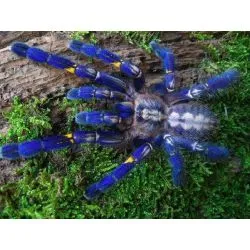
Now it’s time to test your knowledge with a series of questions about tarantulas. Take your time and see how many you can answer correctly. Good luck and have fun! The questions cover a range of topics, from their habitats and diet to their anatomy and behavior. See if you can achieve a perfect score and prove your tarantula expertise!
Question 1: Habitat
Where are tarantulas primarily found?
(a) Arctic regions (b) Tropical and subtropical regions (c) Deserts (d) High mountain ranges
Question 2: Diet
What do tarantulas primarily eat?
(a) Plants (b) Insects (c) Small mammals (d) Both b and c
Question 3: Anatomy
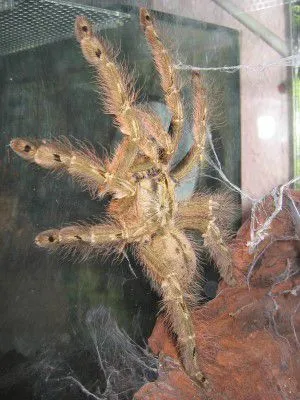
What is the name of the structure that tarantulas use to breathe?
(a) Gills (b) Lungs (c) Book lungs (d) Spiracles
Question 4: Behavior
What defense mechanism do some tarantulas use to deter predators?
(a) Spraying venom (b) Flicking urticating hairs (c) Changing color (d) Playing dead
Question 5: Common Species
Which of the following is a common tarantula species?
(a) African Lion (b) Mexican Red Knee (c) Bald Eagle (d) Great White Shark
Tarantula Quiz Answers!

Now, let’s reveal the answers to the questions and see how you did. Check your answers against the ones below to see how much you have learned about tarantulas.
Answer to Question 1
The correct answer is (b) Tropical and subtropical regions. Tarantulas thrive in warmer climates.
Answer to Question 2
The correct answer is (d) Both b and c. Tarantulas primarily eat insects, but larger species may also consume small mammals.
Answer to Question 3
The correct answer is (c) Book lungs. Tarantulas use book lungs to breathe, which are specialized respiratory organs.
Answer to Question 4
The correct answer is (b) Flicking urticating hairs. Many tarantulas flick urticating hairs as a defense mechanism.
Answer to Question 5
The correct answer is (b) Mexican Red Knee. This is one of the most popular and well-known tarantula species.
Tarantula Quiz Conclusion!
Congratulations on completing the tarantula quiz! We hope you enjoyed testing your knowledge and learned something new about these amazing arachnids. Tarantulas are fascinating creatures, and there’s always more to discover about their biology, behavior, and the important role they play in the environment. Keep exploring and learning, and you’ll continue to be amazed by the world of tarantulas. The study of tarantulas offers insights into the complex world of wildlife and ecosystems, making it a rewarding field for both scientists and enthusiasts.