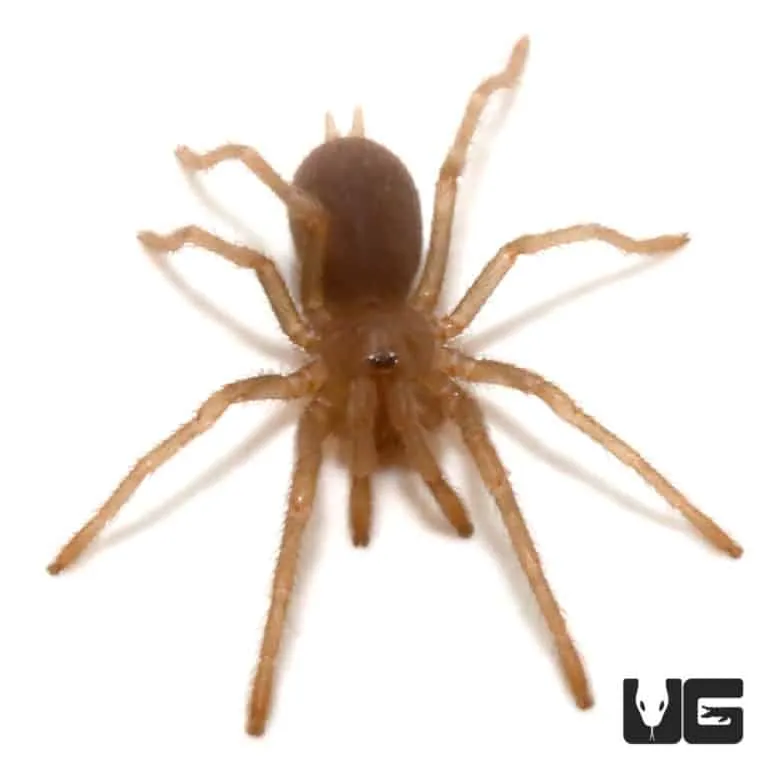
The Philippines, an archipelago of over 7,000 islands, is not only known for its stunning beaches and vibrant culture but also for its rich biodiversity, including a fascinating array of tarantula species. These large, hairy spiders captivate the interest of arachnid enthusiasts and researchers alike. This article delves into the top 5 facts about tarantulas found in the Philippines, providing insights into their diversity, unique characteristics, conservation status, and the responsible practices for keeping them.
Fact 1 The Diversity of Philippine Tarantulas
The Philippines boasts a surprising diversity of tarantula species, each adapted to specific ecological niches. This diversity is a testament to the country’s varied habitats, from lush rainforests to mountainous regions. The exact number of tarantula species found in the Philippines is constantly evolving as new species are discovered and existing ones are further studied. Each species possesses unique characteristics in terms of size, color, behavior, and habitat preferences, making the study of these arachnids a captivating endeavor.
Habitat Preferences
Different tarantula species have specific habitat preferences that dictate where they can thrive. Some are terrestrial, living on the ground in burrows or under rocks, while others are arboreal, dwelling in trees. These preferences are determined by factors like the availability of food, shelter, and the optimal environmental conditions for survival. Understanding these habitat preferences is crucial for both the conservation of these species and for providing appropriate care in a captive environment.
Commonly Found Habitats

Commonly found habitats for Philippine tarantulas include tropical rainforests, secondary forests, and even some agricultural areas where suitable microhabitats exist. Terrestrial species often burrow in the soil, creating elaborate tunnel systems to ambush prey and seek refuge from the elements. Arboreal species are typically found in trees, utilizing the bark and foliage for shelter and hunting. The specific location of a species can vary depending on factors like elevation, rainfall, and the presence of other species.
Fact 2 Unique Species Found
Among the many tarantula species found in the Philippines, some stand out due to their unique characteristics. These species often exhibit distinctive colors, sizes, and behaviors that make them particularly interesting to study. The identification of these unique species is essential for species conservation and species-specific research. The Davao Earth Tiger Tarantula is a particularly well-known example, admired by many for its striking appearance.
The Davao Earth Tiger Tarantula
The Davao Earth Tiger Tarantula (Cyriopagopus davao) is a notable species in the Philippines, admired for its striking coloration and size. Its body is typically a rich brown color, with tiger-like stripes on its legs, giving it a visually appealing appearance. This species is native to the Davao region of Mindanao and is a popular choice among tarantula keepers due to its relatively docile nature and impressive size. They are also a testament to the rich biodiversity present in the Philippine islands.
Physical Characteristics

Physical characteristics such as size, color patterns, and body structure are primary factors used in identifying different tarantula species. The Davao Earth Tiger Tarantula, for example, has specific measurements for its body size, and its coloration follows a distinct pattern. Studying these characteristics allows for correct identification and helps differentiate between various species found in the Philippines. These aspects also give valuable insights into the tarantula’s adaptation to their environments.
Fact 3 Conservation Status and Threats
Many Philippine tarantula species face threats that endanger their populations. Habitat loss due to deforestation and urbanization is a significant challenge, as it reduces the available space and resources for these arachnids. Additionally, the illegal collection for the pet trade poses a threat, especially for the more sought-after species. Understanding and addressing these threats is essential for the conservation of these unique creatures and the preservation of their habitats.
Threats to Tarantula Populations
The primary threats to tarantula populations in the Philippines include habitat destruction due to logging, agricultural expansion, and human development. Illegal collection for the pet trade is also a major concern, as it can lead to overexploitation of wild populations. Climate change can also affect the distribution of species by altering their habitats and food sources. Conservation efforts require a multifaceted approach, including habitat protection, sustainable practices, and strict regulations.
Fact 4 Diet and Feeding Habits
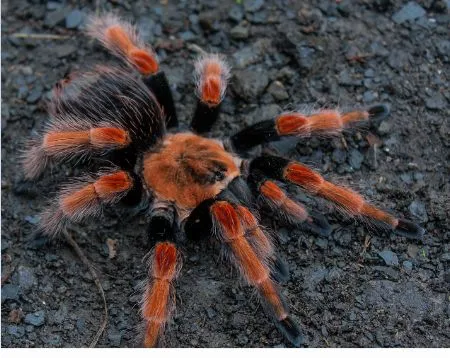
Tarantulas are carnivorous creatures, and their diet primarily consists of insects and other invertebrates. They are ambush predators, using their fangs to inject venom that immobilizes their prey. The feeding habits of tarantulas vary depending on the species and their size, with larger tarantulas capable of consuming small vertebrates. Understanding their dietary needs is essential for ensuring their survival, both in the wild and in captivity. These feeding habits showcase the tarantulas’ role in their ecosystem.
What Tarantulas Eat
Insects like crickets, mealworms, and cockroaches form the basis of a tarantula’s diet, along with other invertebrates. They may also consume small vertebrates such as lizards or mice, especially larger species. The specific prey items depend on the tarantula’s size, the availability of food in their habitat, and their individual preferences. In captivity, a varied diet is often provided to ensure the tarantula receives all the necessary nutrients for growth and survival. Fresh water should always be available.
Fact 5 Responsible Tarantula Keeping
Responsible tarantula keeping involves providing the appropriate environment, nutrition, and care to ensure the tarantula’s well-being. This includes creating a suitable habitat with the correct temperature, humidity, and substrate. Also, providing the right food and maintaining a clean enclosure. Keeping tarantulas is a rewarding experience for many hobbyists, but it comes with responsibilities. Learning and understanding these principles is essential for ethical pet ownership.
Creating a Suitable Habitat

A proper enclosure is crucial for a tarantula’s health and happiness. The enclosure should be of an appropriate size, depending on the species, and provide the tarantula with a secure and comfortable environment. Substrate, such as coco coir or peat moss, should be used to maintain humidity and allow the tarantula to burrow. The enclosure should also include hiding places, a water dish, and a temperature gradient to simulate the tarantula’s natural habitat. Regular maintenance is vital, ensuring the enclosure is free of waste and that the environment meets the tarantula’s needs.
In conclusion, the Philippines is a treasure trove of tarantula species, each uniquely adapted to its environment. From the diverse habitats they occupy to the threats they face, these arachnids provide a compelling look into the rich biodiversity of the archipelago. Recognizing their importance and following responsible practices are vital to their preservation. By appreciating these remarkable creatures and supporting conservation efforts, we can ensure that future generations will continue to marvel at the diversity of tarantula species in the Philippines.