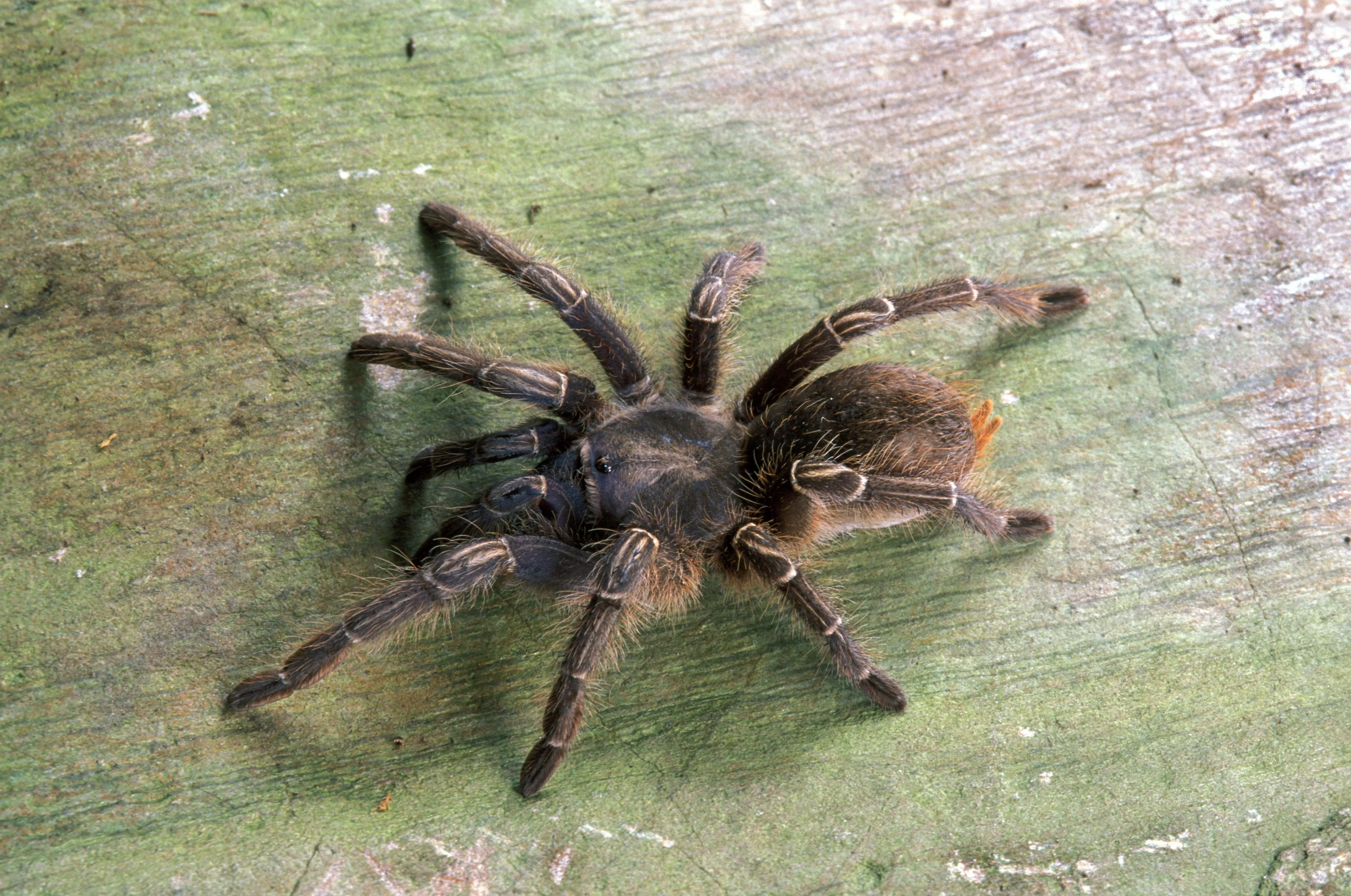
The Fascinating World of US Tarantulas
The United States is home to a diverse array of tarantula species, fascinating creatures that have captivated people’s interest for centuries. These large, hairy spiders, belonging to the Theraphosidae family, are found in various habitats across the country, from the arid deserts of the Southwest to the humid forests of the Southeast. Understanding these magnificent arachnids involves delving into their unique characteristics, behaviors, and the environments they inhabit. This article will explore the top 5 facts about tarantula species in the US, offering insights into their diversity, appearance, behaviors, and conservation status.
Fact 1 Diverse Tarantula Species
The United States boasts a surprising variety of tarantula species, each adapted to specific ecological niches. These spiders showcase considerable diversity in terms of size, coloration, and behavior, making them a captivating group to study. The presence of different species across various regions reflects the diverse range of habitats found throughout the country. From the commonly encountered Texas Brown Tarantula to the less frequently seen species, the variety is a testament to the adaptability of these arachnids.
Geographic Distribution

The distribution of tarantula species in the US is largely determined by climate, vegetation, and the availability of suitable prey. The Southwest, with its warm temperatures and arid landscapes, is a hotspot for tarantula diversity, hosting species like the Arizona Blonde and the Desert Blonde. The Southeast, characterized by its humid climate and dense forests, also supports a variety of species, each occupying specific microhabitats. Understanding the geographic distribution is essential for conservation efforts and for appreciating the regional variations within the tarantula family.
Habitat Preferences
Tarantulas exhibit diverse habitat preferences, choosing environments that provide shelter, food, and protection from predators. Some species are burrowers, constructing elaborate underground tunnels, while others are terrestrial, living among rocks, under logs, or in dense vegetation. The availability of suitable habitat, including appropriate soil conditions, moisture levels, and the presence of prey, plays a critical role in determining where each species can thrive. The varying preferences of tarantulas highlight their adaptability to a range of environmental conditions and their ecological significance within their respective habitats. For example, some prefer humid environments and others love dry areas.
Fact 2 Size and Appearance
Tarantulas are easily recognized by their large size and hairy appearance. The size of a tarantula can vary significantly depending on the species, with some reaching a leg span of over 10 inches. Their bodies are covered in dense hairs, which serve various functions, including sensory perception, defense, and thermoregulation. The coloration of tarantulas also varies widely, from the earthy browns and tans of the Texas Brown Tarantula to the vibrant hues of some tropical species. The overall appearance of these arachnids is a testament to their evolutionary adaptations and their ability to thrive in diverse environments.
Color Variations

Color variations among tarantula species are an appealing aspect of their diversity. Coloration can range from the subtle browns and blacks of the Texas Brown Tarantula to the striking yellows and oranges of the Arizona Blonde. These color variations can serve different purposes, including camouflage, mating displays, and thermoregulation. Some tarantulas may exhibit different colors at different stages of their life cycle, adding to the complexity of their appearance. The diverse palette of colors displayed by these spiders makes them an eye-catching subject for both nature enthusiasts and scientists.
Size Range by Species
The size range of tarantulas in the US is substantial, reflecting the variety of species present. Some, like the Texas Brown Tarantula, have a moderate size, while others, like certain species found in the Southwest, can reach impressive sizes. The size of a tarantula is typically measured by its leg span, which can vary from a few inches to over ten inches. The size of a tarantula is often related to its habitat, diet, and overall environmental conditions. This size diversity is another factor that makes tarantulas a fascinating group of arachnids.
Fact 3 Venom and Behavior
Tarantulas are venomous spiders, using their venom to subdue prey and defend themselves. However, their venom is generally not considered life-threatening to humans. The behavior of tarantulas is equally captivating, with their hunting strategies, mating rituals, and defensive mechanisms providing valuable insights into their survival strategies. Understanding their venom and behaviors is crucial for appreciating these creatures and dispelling any misconceptions about their dangers.
Venom Potency

The venom potency of US tarantulas is relatively mild compared to some other spider species. Their venom is primarily used to immobilize prey, such as insects, and is not usually dangerous to humans. A tarantula bite may cause localized pain, redness, and swelling, but serious reactions are rare. However, it is always important to exercise caution around tarantulas and avoid handling them unnecessarily. Despite the mild potency, it’s important to respect these creatures and understand that they are wild animals.
Defensive Behaviors
Tarantulas have several defensive behaviors to protect themselves from predators. When threatened, they may rear up, displaying their fangs and hairs in a threat posture. Some species also have urticating hairs on their abdomen, which they can flick towards a perceived threat, causing irritation. These defensive behaviors are crucial for their survival in the wild. These behaviors are essential for the spiders’ survival and are a testament to their adaptation in various ecosystems.
Fact 4 Common US Tarantula Species
Several tarantula species are commonly found in the United States, each with its unique characteristics and habitat preferences. These spiders play an essential role in their ecosystems, contributing to the balance of their respective habitats. Understanding these common species helps us appreciate the diversity and ecological significance of these fascinating arachnids.
Texas Brown Tarantula

The Texas Brown Tarantula (Aphonopelma hentzi) is one of the most well-known and frequently encountered tarantula species in the US. It is found throughout Texas and in parts of neighboring states. Known for its relatively docile temperament, the Texas Brown Tarantula is often kept as a pet. They are typically brown and can reach a considerable size. They are burrowing spiders, constructing elaborate underground systems where they spend much of their time.
Desert Blonde Tarantula
The Desert Blonde Tarantula (Aphonopelma chalcodes) is another popular species, particularly in the Southwestern United States. It is characterized by its light brown coloration and relatively docile behavior. This species is well-adapted to arid environments, where it lives in burrows. The Desert Blonde Tarantula is known for its longevity and its ability to survive in harsh conditions. They are a great example of adaptation to a specific environment.
Fact 5 Conservation Status and Threats
The conservation status of tarantula species in the US is an essential topic. Many species face threats from habitat loss, human activities, and the pet trade. Efforts to protect their habitats and raise awareness about their importance are crucial for ensuring their survival and the health of the ecosystems they inhabit.
Habitat Loss

Habitat loss is a significant threat to tarantula populations across the US. The destruction of natural habitats due to urban development, agriculture, and other human activities has resulted in reduced living areas and limited resources for tarantulas. Preserving and restoring habitats is crucial to ensure that these magnificent spiders can continue to thrive.
Conservation Efforts
Various conservation efforts are in place to protect US tarantulas. These include habitat preservation, research on their populations, and regulations on the pet trade. Public education and awareness campaigns play a critical role in promoting responsible behavior and reducing the threats to tarantula populations. Through coordinated efforts, we can ensure that these fascinating creatures continue to enrich our natural world.
Conclusion
US tarantulas are a diverse and intriguing group of arachnids, playing important roles in their respective ecosystems. By understanding their diversity, appearance, behaviors, and the threats they face, we can better appreciate and protect these amazing creatures. Conservation efforts, habitat preservation, and education are vital to ensure that future generations can continue to marvel at the fascinating world of US tarantulas. Whether you are a seasoned arachnid enthusiast or just curious, the study of US tarantulas provides a wonderful opportunity to explore the wonders of nature and the incredible adaptability of life.