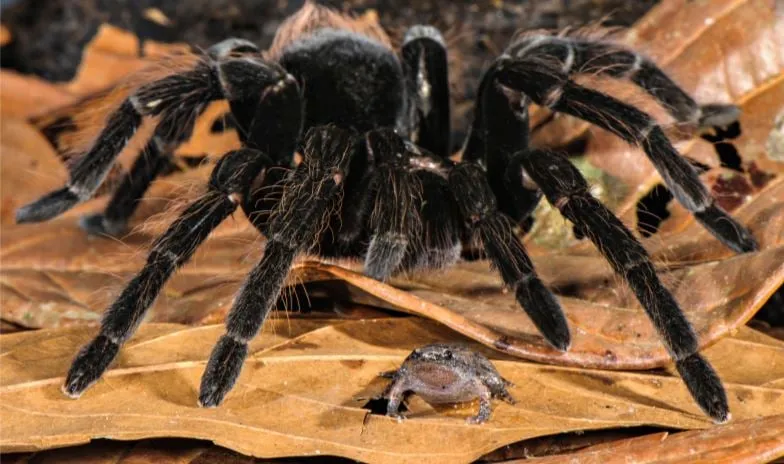
The Tarantula and the Opossum An Unexpected Encounter
The image of a tarantula spider consuming an opossum might seem like something out of a horror movie, yet in the wild, it’s a rare but real occurrence. This unlikely pairing highlights the raw power of nature and the varied roles different creatures play within their ecosystem. The tarantula, a large and formidable arachnid, and the opossum, a marsupial known for its defensive strategies, can occasionally find themselves in a predator-prey dynamic. This is not a frequent event, but rather a fascinating glimpse into the survival strategies of these wild animals, showcasing their adaptations and behaviors. While the tarantula doesn’t typically hunt opossums, the size of the spider and the vulnerability of a young or sick opossum can sometimes lead to this unusual encounter.
The Size Matters Spider vs Opossum
The outcome of a tarantula versus opossum encounter largely depends on the size of both creatures. A full-grown opossum is generally too large and well-defended for a tarantula to overcome. However, a young or injured opossum presents a more vulnerable target. The tarantula’s success hinges on its ability to subdue the opossum, which in turn is reliant on the spider’s hunting strategies and the opossum’s ability to defend itself. The size difference, therefore, is a critical factor in determining the outcome of this unusual predator-prey interaction, highlighting the importance of size and strength in the natural world.
Tarantula Spider Size

Tarantulas are among the largest spiders in the world, with some species boasting leg spans of up to 12 inches or more. Their size and robust build are key components of their hunting prowess. The size of a tarantula provides them with a distinct advantage when dealing with larger prey. Their fangs, capable of delivering venom, combined with their physical strength, enable them to subdue prey that may be larger than themselves. The size variations among tarantula species further influence their prey selection and hunting strategies, adding a layer of complexity to their predatory behavior.
Opossum Size
Opossums are medium-sized marsupials, usually ranging in size from that of a domestic cat to slightly larger. Their size can vary based on age, sex, and the specific species of opossum. Adult opossums possess a significant size advantage over most tarantula species, making them a less likely target. However, young opossums, which are smaller and less capable of defending themselves, are more susceptible to tarantula attacks. This difference in size greatly affects the likelihood of a tarantula successfully hunting an opossum.
The Hunting Strategies Tarantulas Unveiled
Tarantulas are ambush predators, relying on stealth and the element of surprise to capture their prey. They typically wait patiently, often hidden within burrows or under foliage, until an unsuspecting animal wanders within striking distance. Once the opportunity arises, they launch a swift attack, using their fangs to inject venom into their prey. This hunting strategy underscores their reliance on patience, precision, and the potency of their venom to secure a meal.
Venom The Silent Assassin

Tarantula venom is a complex mixture of toxins designed to immobilize and begin the digestive process of their prey. While not usually fatal to humans, the venom is highly effective against insects and other small animals. In the case of a young opossum, the venom can weaken or paralyze it, making it easier for the tarantula to subdue and eventually consume its meal. The composition of the venom varies among tarantula species, influencing its potency and the range of prey it can effectively target.
Ambush Tactics
Tarantulas excel at ambush hunting. They use their surroundings to their advantage, camouflaging themselves and waiting for prey to come within striking distance. This patient approach requires a keen sense of their environment and an understanding of prey behavior. The success of an ambush depends on the tarantula’s ability to remain undetected and strike with speed and precision when the opportunity arises. This strategy highlights the tarantula’s adaptation to its environment and its survival skills.
The Opossum’s Defense Mechanisms
Opossums have several defense mechanisms to protect themselves from predators, including their unique ‘playing dead’ tactic. This behavioral adaptation, combined with their physical defenses, often helps them avoid becoming prey. Their defensive strategies are crucial for their survival in diverse environments where they are frequently exposed to various predators, including the potential threat from a large tarantula.
Playing Dead

When threatened, opossums can ‘play dead,’ a defense mechanism known as thanatosis. They become catatonic, appearing lifeless and emitting a foul odor, which can deter predators that prefer live prey. This behavior, often lasting for several minutes or even hours, gives the opossum a chance to escape danger. It is a remarkable example of how these animals have evolved to protect themselves against threats in their natural environment.
Physical Defense
Opossums also have physical defenses, such as sharp claws and teeth, that can be used to fight back if cornered. Their thick fur provides some protection against bites and scratches. Although they are not aggressive animals, they will defend themselves if they feel threatened, demonstrating the adaptability of these animals. These physical attributes, along with their defensive tactics, provide a measure of protection against various predators.
The Nutritional Value What Makes Opossum Appealing
Opossums, being primarily meat and other proteins, offer a valuable source of nutrition for tarantulas. Their composition fits the tarantulas dietary requirements, making them a potential food source. The nutritional benefits include providing proteins and fats, essential components for the spiders energy needs, growth, and overall survival. This highlights the roles played by various animals within the food chain, illustrating the critical importance of nutrients.
Tarantula Spider’s Dietary Needs

Tarantulas are carnivores, primarily feeding on insects, but they can also consume larger prey like small lizards, rodents, and occasionally, opossums. Their diet must contain a balance of proteins, fats, and other nutrients to sustain their growth and energy requirements. The availability of diverse prey items in their habitat greatly influences their overall health and reproductive success. The tarantulas’ digestive systems are optimized for extracting necessary nutrients.
Nutritional Benefits of Opossum
Opossums provide a concentrated source of proteins and fats, essential for the tarantula’s health. They offer essential amino acids necessary for muscle development and overall body functions. Furthermore, the fats provide energy and support in the absorption of fat-soluble vitamins. The high nutritional value of an opossum makes it a potentially valuable meal for a tarantula, provided it can successfully capture and subdue it. The nutritional balance in their diet is essential for the survival and growth of tarantulas.
The Digestive Process From Feast to Energy
Tarantulas use specialized enzymes and a unique digestive process to break down their prey. After injecting venom to immobilize the opossum, they begin the external digestion of the prey, absorbing the nutrient-rich fluids. This process ensures they extract the necessary nutrients for survival. This method of consuming food showcases the tarantula’s unique physiological adaptations and illustrates their efficient way of obtaining energy from their environment.
How Tarantulas Digest

Tarantulas have a specialized digestive system that allows them to digest their prey externally. They inject digestive enzymes into the prey, liquefying the tissues. They then suck up the resulting nutrient-rich fluids, leaving behind the indigestible parts. This method of digestion is crucial for tarantulas, enabling them to extract all necessary nutrients from their prey efficiently.
Digestive Enzymes
Digestive enzymes play a vital role in the tarantula’s feeding process. These enzymes break down complex molecules in the opossum’s body into simpler forms, making it easier for the tarantula to absorb the nutrients. The specific enzymes and their effectiveness influence the efficiency of the digestion. This process is essential for their survival, and the diversity of the enzymes reflects the tarantula’s adaptation to its predatory lifestyle.
The Aftermath of the Meal
Once the tarantula has consumed the nutrient-rich liquids from the opossum, it leaves behind the undigested parts. This process is important because the tarantula’s body has efficient methods to make use of the nutrients gained from its prey. The spider’s ability to consume meals in this manner demonstrates an adaptation of survival and its efficiency. It underscores the important roles tarantulas play in their environments.
Impact on the Ecosystem

The interaction between tarantulas and opossums, although rare, plays a role in the ecosystem’s balance. These creatures’ interactions influence population dynamics and help maintain the food chain’s structure. These roles are critical to the functioning of the ecosystem, illustrating how nature maintains its balance and processes.
Tarantulas Role
Tarantulas contribute to the ecosystem as predators, controlling insect and small animal populations. They can limit the number of certain species, preventing overpopulation and maintaining biodiversity. By consuming prey, they help to cycle nutrients within the ecosystem and play an essential role in the food web. Their presence and predatory behavior affect the distribution and behavior of other species, influencing the overall health of their habitats.
Opossums Role
Opossums are important members of their environments. They are opportunistic omnivores, playing a role in controlling insect populations and consuming carrion, thus aiding in the decomposition process. As a food source for larger predators, they contribute to the energy flow through the food web. They contribute to seed dispersal, helping the vegetation to thrive. Their varied diet helps maintain the ecological health, highlighting the importance of these marsupials in their natural habitats.