What are Tarantula Spiders?
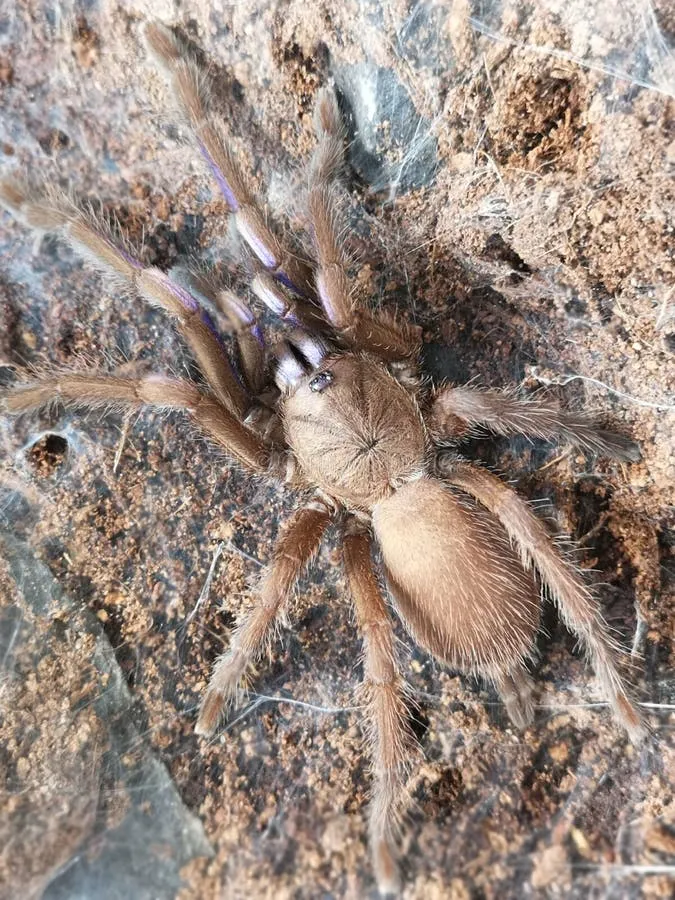
Tarantulas are large, hairy spiders belonging to the Theraphosidae family. These fascinating creatures are found in various habitats around the world, captivating both scientists and enthusiasts. Known for their impressive size and sometimes intimidating appearance, tarantulas are a diverse group, with over 900 species identified. Despite their fearsome reputation, these spiders play a vital role in their ecosystems, acting as predators that help control insect populations. Understanding the basics of tarantulas is the first step in appreciating these often misunderstood arthropods.
Physical Characteristics
Tarantulas exhibit a range of physical characteristics that vary depending on the species. Generally, they are characterized by their large size, with some species having leg spans exceeding 10 inches. Their bodies are divided into two main parts: the cephalothorax (fused head and thorax) and the abdomen. Covered in a dense coat of hairs, these spiders often display vibrant colors and patterns, serving as camouflage or a means of attracting mates. Their eight legs are strong and adapted for climbing, digging, and hunting. Additionally, they possess chelicerae, or fangs, used for injecting venom into their prey.
Habitat and Distribution

Tarantulas inhabit a wide variety of environments, including tropical rainforests, deserts, grasslands, and even suburban areas. Their distribution spans across the Americas, Africa, Asia, and Australia. They are highly adaptable creatures, with each species having its specific habitat preferences. Some tarantulas are terrestrial, living in burrows they dig in the ground, while others are arboreal, residing in trees and shrubs. The availability of food, shelter, and suitable climate conditions determines the distribution and density of tarantula populations in a given region. Understanding their habitat is crucial for conservation efforts and for responsible pet ownership.
Are Tarantulas Poisonous?
The question of whether tarantulas are poisonous is a common one, often fueled by fear and misinformation. The truth is, tarantulas are not poisonous, but they are venomous. The distinction is crucial; poison is ingested or inhaled, while venom is injected through a bite or sting. Tarantulas use their venom to subdue prey and, in some cases, as a defense mechanism. While their venom can cause localized pain, redness, and swelling in humans, it is generally not considered life-threatening. Therefore, while tarantulas possess venom, they are not poisonous.
Venom vs. Poison
The terms venom and poison are often used interchangeably, but they have distinct meanings. Poison is a substance that causes harm when ingested, inhaled, or absorbed through the skin. Venom, on the other hand, is injected into a victim through a bite or sting. Snakes, scorpions, and spiders like tarantulas are venomous, using their venom to incapacitate their prey or defend themselves. The effects of venom can vary widely depending on the species and the amount injected, ranging from mild discomfort to severe medical complications. Understanding the difference is critical for accurate risk assessment and treatment.
Effects of Tarantula Bites

The effects of a tarantula bite on humans are typically not severe. The venom is designed to subdue insects and small animals, and the amount injected is relatively small. Symptoms of a tarantula bite can include localized pain, redness, itching, and swelling at the bite site. Some individuals may experience muscle cramps, nausea, or a headache. However, serious systemic reactions are rare. In most cases, the symptoms subside within a few hours or days. It is essential to clean the bite area with soap and water and monitor for any signs of infection. If symptoms worsen or persist, medical attention should be sought.
Tarantula Defense Mechanisms
Tarantulas have evolved various defense mechanisms to protect themselves from predators. In addition to their venom, they employ other strategies to deter threats. These include the use of urticating hairs, a defensive behavior known as stridulation, and aggressive posturing. These mechanisms work in concert to ward off potential attackers, minimizing the risk of harm. Understanding these defenses is important for anyone handling or interacting with tarantulas.
Hairs and Irritation
Many tarantula species have urticating hairs on their abdomens. These hairs are barbed and easily dislodged, acting as an irritant when they come into contact with skin or eyes. When threatened, a tarantula may flick these hairs towards a perceived threat. The hairs cause intense itching, redness, and inflammation. The severity of the reaction varies from person to person, but it can be very uncomfortable. Handling tarantulas with care and avoiding contact with these hairs is essential for preventing irritation. Washing the affected area thoroughly with soap and water can help alleviate the symptoms.
Bites and Venom

Tarantula bites are typically reserved for defense or when the spider feels threatened. While the venom is not usually life-threatening to humans, it can cause localized pain, swelling, and other symptoms. The chelicerae, or fangs, of a tarantula are used to inject the venom into the target. The impact of a bite depends on various factors, including the species of tarantula and the individual’s sensitivity. Generally, the effects are similar to a bee sting. Avoiding provoking tarantulas and handling them with caution are key to preventing bites. Medical attention should be sought if symptoms are severe or if any signs of an allergic reaction occur.
Top 5 Amazing Facts About Tarantulas
Fact 1: Size and Appearance
Tarantulas are among the largest spiders in the world. Some species can have a leg span of over 10 inches. Their size makes them visually striking, often covered in a dense coat of hairs that can range in color from browns and blacks to vibrant blues and oranges. The size and appearance of tarantulas vary greatly among the numerous species, showcasing an impressive display of diversity in the spider world. Their imposing size and often colorful appearance are a source of fascination for both arachnologists and enthusiasts.
Fact 2: Lifespan

Tarantulas have remarkably long lifespans compared to other spiders. Female tarantulas can live for up to 20-30 years in the wild, and even longer in captivity. Males, however, typically have a shorter lifespan, often living only a few years after reaching maturity. The extended lifespan of female tarantulas is a unique characteristic. The longevity of tarantulas is one of the reasons they are popular pets, as owners can enjoy their company for many years. Lifespan varies greatly by species, and the environment also has an effect on longevity.
Fact 3: Diet and Hunting
Tarantulas are primarily carnivorous spiders that feed on a wide variety of prey. Their diet mainly consists of insects, but they can also consume small vertebrates, such as lizards, frogs, and even small birds. Tarantulas are ambush predators, waiting patiently for their prey to come within range. They use their chelicerae to inject venom, which paralyzes the prey, and then they inject digestive enzymes to liquefy the tissues, making it easier to consume. Their hunting strategies are highly adapted to their environment, making them successful predators.
Fact 4: Behavior
Tarantula behavior is incredibly diverse. Some species are more docile and less likely to bite, while others can be quite defensive. They typically lead solitary lives, except during mating season. Males often wander in search of a mate, while females stay in their burrows. They engage in complex courtship rituals, including drumming and vibrating, to attract a mate. Their behaviors are highly influenced by their environment, and their overall behavior varies greatly depending on the species. Their behavior patterns are a subject of scientific study and continue to fascinate experts.
Fact 5: Popularity as Pets

Tarantulas have become increasingly popular as exotic pets. Their relatively low maintenance, long lifespans, and interesting behaviors make them attractive to many pet owners. Numerous species are readily available in the pet trade. Keeping a tarantula as a pet requires careful consideration and adherence to the needs of the specific species, including habitat setup, diet, and temperature regulation. Responsible pet ownership is essential to ensuring their well-being. Careful planning is vital before adopting a tarantula.
Tarantula Spider Safety Tips
While tarantulas are not inherently dangerous, it is crucial to handle them with care and follow safety precautions. Understanding the risks involved and taking appropriate measures can minimize the chances of bites or irritations. Proper handling, knowledge of their behavior, and suitable enclosure setups are vital for safe interaction. Responsible pet ownership practices and education about tarantulas can help reduce the fear surrounding these spiders. Always prioritize safety when handling or interacting with tarantulas.
What to Do if Bitten
If bitten by a tarantula, it is essential to remain calm. Clean the bite area thoroughly with soap and water to prevent infection. Monitor the bite site for any signs of allergic reaction or infection. Symptoms of a tarantula bite generally subside within a few hours or days. Seek medical attention if symptoms worsen, or if there are signs of an allergic reaction, such as difficulty breathing or swelling. Knowing how to handle a bite quickly and correctly can aid in a quick recovery.
Preventing Bites

The best way to prevent tarantula bites is to handle them with care and respect. Never handle a tarantula unless you have experience and the proper training. Avoid sudden movements, and never provoke the spider. Always use appropriate tools, such as tongs, when handling them, if necessary. Understand the species-specific behaviors and temperament. Providing a safe and appropriate environment for the tarantula can also minimize the risk of a bite. Educating yourself and being cautious are key to a safe interaction.
Conclusion
Tarantulas are fascinating creatures, embodying both beauty and biological complexity. Understanding their biology, behavior, and the distinction between venom and poison is critical to dispelling myths and fostering respect for these spiders. Their defensive mechanisms, combined with their unique characteristics, contribute to their survival and ecological importance. By learning about tarantulas, we can appreciate their role in nature and approach them with knowledge and safety in mind. This journey into the world of tarantulas showcases their unique traits and the importance of responsible interaction.