What is a Tarantula Svenska (and Where Do They Come From)
The term “Tarantula Svenska” isn’t a recognized species of tarantula. It’s possible this is a misunderstanding or a local name. Tarantulas are large, hairy spiders belonging to the Theraphosidae family. They are found in various habitats worldwide, primarily in tropical and subtropical regions. These fascinating creatures have captivated people for centuries, inspiring both fear and fascination. Understanding the general characteristics of tarantulas is the first step in appreciating these amazing arachnids. While there isn’t a specific “Svenska” variety, we can explore the general care and characteristics applicable to tarantulas, providing you with the information you need to be a responsible tarantula keeper.
Appearance and Characteristics of Tarantula Svenska
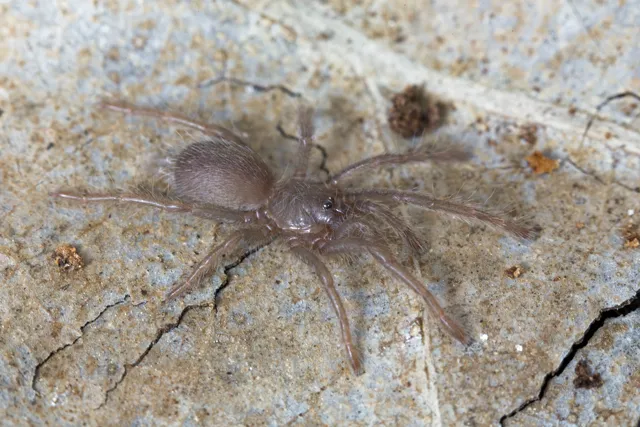
Tarantulas, irrespective of their specific species, share some common characteristics. They have two main body parts the cephalothorax (prosoma) and the abdomen (opisthosoma). The cephalothorax houses the spider’s eyes, mouthparts, and legs, while the abdomen contains the vital organs. Most tarantulas are covered in hairs, which can vary in color and texture depending on the species. They have eight legs, each ending in claws that help them climb and grip surfaces. These spiders also possess chelicerae, which are the mouthparts containing fangs that are used to inject venom into their prey. The overall appearance of a tarantula is often quite striking, with a range of colors and patterns that make them visually appealing to some and intimidating to others. It’s important to research the specific species you’re interested in to understand its unique characteristics.
Size and Color Variations

Tarantula size varies greatly depending on the species, with some reaching a leg span of over 10 inches. Colors range from earthy browns and blacks to vibrant blues, oranges, and yellows. The specific species determines the size, color, and pattern of the tarantula. For instance, the Gooty Sapphire Ornamental tarantula is known for its striking blue coloration, while the Mexican Red Knee tarantula is recognized by its distinctive red and black markings on its legs. When choosing a tarantula, considering its mature size and color can help you select one that fits your preferences and your living space. Remember that the size and color of a tarantula can also change as it grows and molts throughout its life.
Lifespan and Growth
Tarantulas are relatively long-lived creatures compared to many other insects and arachnids. Females often live significantly longer than males, with some species living for over 20 years in captivity, while males typically live only a few years after reaching maturity. Tarantulas grow by molting, shedding their exoskeleton to allow for growth. The frequency of molting depends on the spider’s age and feeding schedule. Younger tarantulas molt more frequently than older ones. The molting process can be stressful for the tarantula, and it’s crucial to maintain a stable environment during this time. After molting, the tarantula’s new exoskeleton will be soft and vulnerable, so avoid handling the spider until its new shell hardens.
Creating the Perfect Tarantula Svenska Habitat
Creating a suitable habitat is crucial for the health and well-being of your tarantula. The enclosure should mimic the spider’s natural environment as closely as possible. This includes providing appropriate temperature, humidity, substrate, and hiding places. The size and type of enclosure will depend on the tarantula species and its size. A well-designed habitat provides the necessary conditions for the spider to thrive, allowing it to exhibit natural behaviors and stay healthy. Take the time to research the specific needs of your chosen species to create a safe and stimulating home for your pet.
Choosing the Right Enclosure

The enclosure should be appropriately sized for the tarantula, allowing it enough space to move around comfortably. Glass or acrylic terrariums are popular choices, offering good visibility and ventilation. The enclosure should have a secure lid to prevent the tarantula from escaping, as they are skilled climbers. The enclosure needs to be easy to clean and maintain. The enclosure size should increase as the tarantula grows, and it’s important to upgrade the habitat as needed. Consider the tarantula’s temperament when selecting the enclosure; some species are more prone to hiding, and a habitat with ample hiding places might be necessary. The enclosure should provide appropriate ventilation to maintain air quality and prevent mold growth.
Substrate Selection
The substrate is the bedding material that covers the bottom of the enclosure. It serves multiple purposes, including providing a surface for the tarantula to walk on, helping to maintain humidity, and allowing the spider to burrow. Popular substrate options include coconut fiber, peat moss, vermiculite, and a mix of these materials. The substrate should be deep enough to allow the tarantula to burrow if it’s a burrowing species. It’s important to select a substrate that is non-toxic, free of pesticides, and capable of retaining moisture. You should regularly monitor the substrate for any signs of mold or pests and replace it as needed. The type of substrate can also affect the overall aesthetics of the enclosure, so choose a substrate that complements the habitat design.
Temperature and Humidity Control
Tarantulas require specific temperature and humidity levels to thrive. The ideal temperature range typically falls between 70-85°F (21-29°C), depending on the species. Use a thermometer to monitor the temperature within the enclosure. Heating can be achieved with a heat mat or a ceramic heat emitter, but it is important to avoid direct contact with the tarantula. Humidity levels should also be monitored and maintained, usually between 60-80%, depending on the species. Use a hygrometer to measure humidity, and increase humidity by misting the enclosure with water or adding a water dish. Adequate ventilation is important to prevent the buildup of excessive moisture and the growth of mold. Regularly check and adjust temperature and humidity to ensure your tarantula’s comfort and health.
Feeding Your Tarantula Svenska

Feeding is a crucial aspect of tarantula care. Provide a balanced diet and appropriate feeding schedule to ensure your tarantula stays healthy and active. The type and frequency of feeding depend on the species, age, and size of the tarantula. Always make sure to research the dietary needs of your specific tarantula species. Proper feeding helps tarantulas grow, molt successfully, and maintain their overall health. A well-fed tarantula is more likely to be active, display natural behaviors, and live a long and healthy life.
What to Feed a Tarantula Svenska
Tarantulas are primarily insectivores, meaning they eat insects. Suitable food items include crickets, mealworms, dubia roaches, and other commercially available feeder insects. The size of the prey should be appropriate for the size of the tarantula. It’s important to gut-load feeder insects before offering them to your tarantula, providing them with a nutritious diet to pass on to the spider. Avoid feeding your tarantula wild-caught insects, as they may carry parasites or pesticides. You can also supplement the diet with occasional treats like small vertebrates, depending on the species, but insects should be the primary food source. Always ensure the food items are safe and free from harmful substances.
Feeding Frequency and Portion Sizes
The feeding frequency depends on the age and size of the tarantula. Younger, fast-growing tarantulas should be fed more frequently than older, slower-growing individuals. As a general guideline, young tarantulas can be fed 2-3 times a week, while adults can be fed once or twice a week. Adjust the feeding schedule based on your tarantula’s appetite and body condition. The portion size should be appropriate for the size of the tarantula. Offer the tarantula a meal it can consume within a day or two. Remove uneaten food items to prevent mold and mites from forming. Observing your tarantula’s feeding habits and adjusting your schedule accordingly is an important part of responsible tarantula care.
Handling and Interacting with Your Tarantula Svenska

Handling tarantulas is generally not recommended, as it can be stressful for the spider and potentially dangerous for the handler. However, if you choose to handle your tarantula, it is essential to follow safety precautions and understand the spider’s behavior. Always respect the tarantula’s space and avoid sudden movements. Avoid handling altogether if the tarantula is about to molt or appears stressed. Always prioritize the tarantula’s well-being and safety, and be prepared to stop handling at any sign of distress. Handling should not be a regular activity, and the primary goal should be to provide a safe and comfortable environment for the spider.
Safe Handling Practices
If you choose to handle your tarantula, do so with extreme caution. Always wash your hands thoroughly before and after handling. Approach the tarantula slowly and gently. Avoid grabbing the tarantula; instead, gently coax it onto your hand. Handle the tarantula over a soft surface, such as a bed or a carpet, in case it falls. Keep your hands close to the ground and minimize sudden movements. Be aware of the tarantula’s posture and behavior. If the tarantula displays defensive behaviors, such as raising its front legs or flicking hairs, immediately stop handling and allow it to retreat. Never force the tarantula to do anything it does not want to do.
Understanding Tarantula Svenska Behavior
Understanding tarantula behavior is crucial for responsible ownership and safe interaction. Observe the tarantula’s posture, movements, and overall demeanor to gauge its mood. Tarantulas may exhibit different behaviors based on their species, age, and environmental conditions. Some tarantulas are more docile and less likely to bite, while others are more defensive. Learn the signs of stress, such as rapid movements, defensive postures, or hair-flicking. Avoid actions that might cause stress to the tarantula, such as sudden noises or vibrations. A tarantula that feels secure in its environment will be less stressed and display more natural behaviors. Educating yourself on tarantula behavior allows you to provide better care and safely interact with your pet.
Common Health Issues in Tarantula Svenska

Tarantulas, like all living creatures, can be susceptible to various health issues. Being aware of these issues and knowing how to identify and address them is essential for proper care. The most common health problems in tarantulas include parasitic infestations, fungal infections, and injuries. Regularly inspect your tarantula for any signs of illness or injury. Early detection and treatment are critical to prevent the problem from becoming more serious. Consulting a veterinarian experienced with exotic pets is highly recommended if you suspect your tarantula is ill. Preventative care and a clean, well-maintained environment are key to minimizing health risks and ensuring your tarantula’s well-being.
Identifying and Treating Common Diseases
Some common health issues include mites, which can infest the tarantula and its enclosure. Inspect the tarantula and its habitat for signs of mites, such as tiny moving specks. Fungal infections can also occur, often caused by poor ventilation or excessive humidity. Look for unusual discoloration or lesions on the tarantula’s body. Injuries can happen during molting or due to falls. Treat any injuries with appropriate cleaning and medication if needed. If you notice any signs of illness or injury, isolate the affected tarantula and seek professional veterinary care. Early intervention is important for better outcomes. Keep the enclosure clean and maintain optimal environmental conditions to prevent diseases.
Preventative Care and Maintenance
Preventative care is crucial for maintaining your tarantula’s health. Regular cleaning of the enclosure is essential. Remove any uneaten food, feces, and shed exoskeletons promptly. Maintain appropriate temperature and humidity levels to prevent infections. Provide a varied diet to ensure the tarantula gets essential nutrients. Inspect the tarantula regularly for any signs of illness or injury. Ensure the enclosure is secure to prevent escapes and potential injuries. Quarantine new tarantulas before introducing them to an existing collection. Providing proper care, maintaining a clean environment, and observing your tarantula closely are all essential for ensuring its long-term health and well-being. Take all the preventative measures to promote your pet’s health.
In conclusion, while there is no specific “Tarantula Svenska”, the general care principles for any tarantula apply. Providing the right habitat, feeding it properly, and understanding its behavior are crucial for a happy and healthy pet. Remember to do your research, provide a suitable environment, and always prioritize the well-being of your tarantula. With proper care, your tarantula can be a fascinating and rewarding pet.