The Epic Clash Tarantula vs Bird
The natural world is a stage for countless dramatic confrontations, and few are as unexpectedly captivating as the showdown between a tarantula and a bird. These battles, though rare, highlight the raw power of nature and the intricate dance of predator and prey. This article delves into five astonishing clashes, analyzing the factors that determine survival in these high-stakes encounters. We will explore the advantages each creature brings to the fight, from the tarantula’s arsenal of venom and fangs to the bird’s aerial dominance and hunting skills. Prepare to be amazed by the tenacity and resilience displayed in these battles for survival, witnessing the brutal elegance of the natural world firsthand.
Showdown 1 Size and Strength
Size and strength are fundamental determinants in any physical confrontation. In a tarantula versus bird scenario, these factors play a critical role in tipping the scales. The size disparity is often significant, with some bird species significantly outweighing the tarantula. However, the tarantula possesses unique physical adaptations that can offset this disadvantage, at least initially. The clash isn’t solely about brute force, but also about the strategic use of one’s physique in the heat of battle. Analyzing these physical attributes sets the stage for understanding the dynamics of their encounters.
Tarantula’s Physique

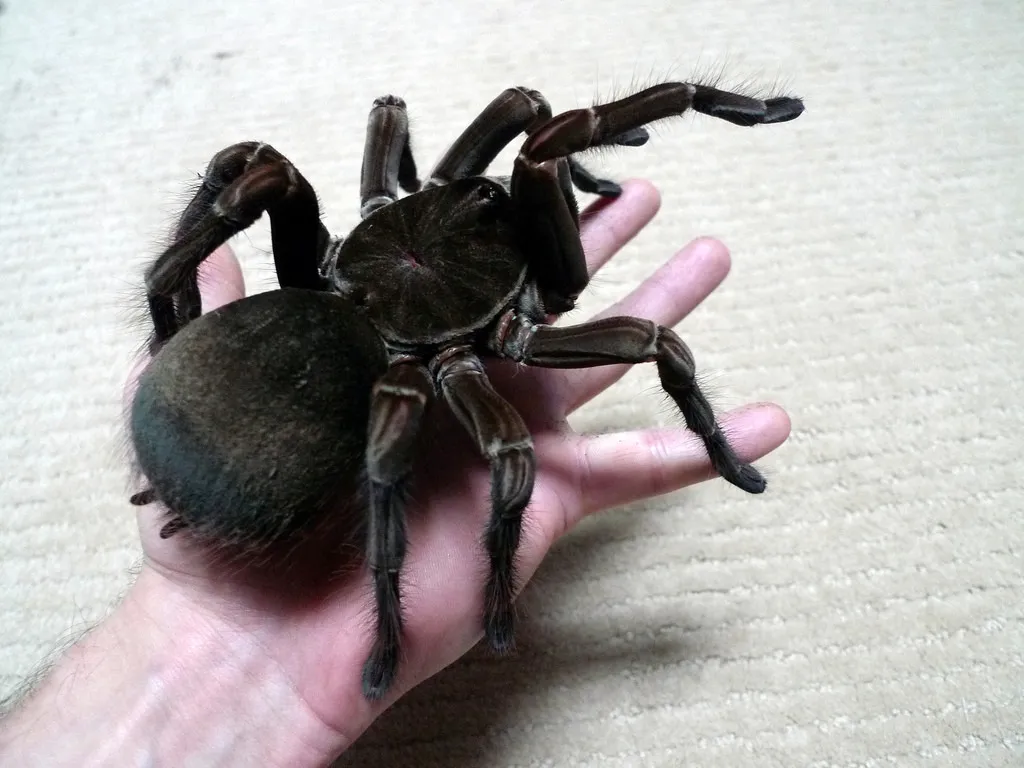
Tarantulas, with their large size and robust bodies, are formidable opponents. Their thick exoskeleton provides protection against minor attacks, and their powerful legs enable them to move with surprising speed and agility. The chelicerae, or fangs, are their primary weapons, capable of injecting venom. Their bodies are covered with urticating hairs that can irritate and deter predators. These adaptations give the tarantula a fighting chance, particularly in close-quarters combat, as they can use their size to their advantage to defend themselves and inject venom when the opportunity arises.
Bird’s Aerial Advantage
Birds possess an innate advantage – the ability to fly. This gives them superior mobility, enabling them to attack from above and evade the tarantula’s attacks. The bird’s claws and beak are designed for catching and consuming prey, offering efficient tools to overcome the tarantula’s defenses. Their overall size and strength can also vary. Larger bird species have a significant advantage in a physical confrontation, being able to inflict serious harm to the tarantula, and even carry it off. The bird’s aerial capabilities and hunting tools play a decisive role in determining the outcome of these encounters.
Showdown 2 The Hunt and the Prey
The dynamics of the hunt are crucial. The strategies each creature employs, from ambush tactics to aerial pursuit, shape the outcome. How each of these predators views the other, and how they react to each other, determines whether a clash begins, and if it does, how it concludes. Understanding the hunting techniques of each participant reveals the intricacies of their interactions in the wild. These are encounters not only of strength but of wit and strategic planning, and each creature has perfected their approach to their hunting needs.
Tarantula’s Hunting Tactics

Tarantulas are ambush predators, typically waiting patiently for prey to wander within striking distance. They rely on vibration and movement to detect potential meals, including insects and small vertebrates. When they detect a target, they strike with remarkable speed, injecting venom to paralyze their prey. Their hunting strategy is opportunistic, focusing on capturing anything they can subdue. They are often found in burrows or hidden locations, which make them hard to detect. Once they bite a bird, the fight is generally over unless the bird can escape the tarantula’s bite and attack.
Bird’s Predatory Skills
Birds exhibit a wide range of predatory skills, including aerial surveillance, diving attacks, and precision strikes. They use their keen eyesight to spot prey from a distance and their agility to swoop down with surprising speed. Some birds will directly attack the tarantula while others will observe them from above. Their beaks and talons are perfectly adapted for capturing and dispatching their targets. Birds have great success hunting tarantulas, being one of their largest predators. The birds that hunt tarantulas are often birds of prey or other large, agile hunters.
Showdown 3 Venom vs Beak
Venom and beak are the primary weapons. The potency of the tarantula’s venom and the effectiveness of the bird’s beak are key factors in determining who gains the upper hand. These weapons, each uniquely adapted for their purpose, are at the core of the fight for survival. This section explores the destructive power each weapon possesses, and how they are employed for maximum impact.
Tarantula’s Venom Power

Tarantula venom is a complex mixture of toxins designed to paralyze or kill prey. The venom’s effectiveness varies depending on the species of tarantula and the bird, but it is generally designed to cause paralysis and tissue damage. However, the venom may not always be immediately lethal to larger birds, giving them a chance to retaliate. The power of the tarantula’s venom, which paralyzes its target, is its key offensive weapon, and it is essential to its success in the hunt.
Bird’s Pecking Power
A bird’s beak is a versatile tool, used for capturing, killing, and consuming prey. Birds’ beaks are specifically tailored to their feeding habits, so they can range from sharp, hooked beaks designed for tearing flesh to strong, blunt beaks for crushing prey. In a clash with a tarantula, the beak is used to inflict damage, pierce the exoskeleton, and potentially deliver a fatal blow. The bird will often use its beak to strike vital parts of the tarantula, like the legs, body, and head.
Showdown 4 Defense Mechanisms
In any encounter, defense mechanisms are key to survival. A tarantula’s urticating hairs, fangs, and exoskeleton provide its main defense, while birds rely on their agility, flight, and protective feathers. The efficiency of each creature’s defense mechanism determines how well they can withstand attacks and protect themselves from harm. The ability to defend oneself can be the difference between life and death in these high-stakes confrontations.
Tarantula’s Defense

Tarantulas have several defensive strategies. Their primary defense is their urticating hairs, which they flick at threats, causing irritation and deterring predators. Their thick exoskeleton offers protection against physical harm, but it is not invulnerable to a determined bird. Their fangs can also be used defensively to bite and inject venom. They can also attempt to flee or hide if possible. These defenses allow the tarantula to survive longer in a fight, but it is no match for a determined predator.
Bird’s Evasive Maneuvers
Birds have numerous defensive capabilities, primarily due to their agility and flight. They use aerial maneuvers to evade attacks from the tarantula. Their ability to fly away from harm’s way is their greatest defense. The bird can also use its talons and beak to strike back, turning the tables on its attacker. The ability to change course mid-flight also gives the bird a considerable advantage when defending itself.
Showdown 5 Survival of the Fittest
The ultimate measure of success in nature is survival. The factors that influence the outcome, from the environment to the individual capabilities of each animal, determine who thrives and who perishes. Understanding the interplay of these variables gives insight into the harsh realities of survival in the natural world. This section will discuss the ecological impact on the environment.
Factors Influencing the Outcome

Several factors determine the outcome of these clashes. The size and health of both creatures are important, as well as the species involved. The environment, including the availability of cover and the weather conditions, plays a role, and even the element of surprise can affect who wins. A determined bird may overcome a large tarantula, and a tarantula may be able to outsmart a small bird. All these aspects are at play in nature, so these fights can be affected by many variables.
Ecological Impact
The predator-prey dynamic between tarantulas and birds affects the ecological balance. The tarantula population can be controlled by the predation of the bird, and birds have their populations affected by the tarantula. The interactions between these creatures help shape the structure of their ecosystems. These interactions influence the distribution and abundance of species, contributing to the overall biodiversity of their habitat. The survival of both species affects the environment around them.
In the raw drama of the natural world, the clash of a tarantula and a bird reveals the fundamental principles of survival. Each encounter is a testament to the power of adaptation, the importance of strategy, and the relentless pursuit of life. While these clashes may be infrequent, their intensity and the factors that determine their outcome, highlight the extraordinary complexities of the web of life. These showdowns are a reminder of the beauty and the brutality of nature, and the constant struggle for survival that defines the wild. The next time you are out in nature, consider the epic battles being waged every day, hidden in plain sight, and appreciate the amazing resilience of life in all its forms.