The natural world is filled with creatures, some fascinating and others genuinely dangerous. Among the most feared are spiders, and when discussing potentially harmful arachnids, the tarantula and the brown recluse often come to mind. But which of these spiders poses a greater threat? This article will delve into the characteristics, behaviors, and dangers of both spiders to determine which one you should be more cautious of. Understanding the differences between these arachnids can help you protect yourself and your loved ones from potentially dangerous encounters. The goal is to provide clear and concise information, dispelling myths and clarifying facts about tarantulas and brown recluse spiders.
Tarantula vs Brown Recluse Which Is Deadlier
Determining which spider is deadlier involves comparing several factors, including their venom, bite, and behavior. While both spiders can inflict bites, their effects and the circumstances under which they bite differ significantly. We will dissect these aspects to provide a comprehensive comparison, helping you understand the risks associated with each spider and what measures you can take to stay safe. This comparative analysis will highlight the key differences and similarities to clarify which spider poses a greater risk in various scenarios. The focus will be on providing clear and accurate information to help you make informed decisions about spider safety.
Understanding Tarantulas
Tarantulas are large, hairy spiders belonging to the Theraphosidae family. These impressive arachnids are often kept as pets due to their relatively docile nature and impressive size. Understanding their characteristics is crucial for assessing their potential danger. Their size alone can be intimidating, but it’s essential to look beyond the initial fear and learn about their behaviors and venom to gauge their threat level accurately. We will explore various aspects of tarantulas to get a full picture of their nature and what to expect if you ever encounter one in the wild.
Physical Characteristics of Tarantulas

Tarantulas are known for their imposing size, with some species having leg spans exceeding 10 inches. Their bodies are covered in hairs, which can cause skin irritation if touched. Colors vary greatly, ranging from brown and black to vibrant hues like blue or orange, depending on the species and geographic location. They possess large fangs used for injecting venom and capturing prey. The overall size and appearance can be quite alarming, but understanding these physical traits is key to differentiating them from other spiders and assessing their potential for harm. Recognizing these physical features is an essential step in spider identification and safety awareness.
Tarantula Behavior and Habitat
Tarantulas are generally not aggressive and prefer to avoid confrontation. They are typically nocturnal hunters, and they spend their days in burrows, under rocks, or in other sheltered locations. Their diet consists primarily of insects, but larger species may also consume small vertebrates. They are found in various habitats, including deserts, grasslands, and tropical forests. The spiders usually bite defensively if they feel threatened. Knowing where they live and how they behave helps you minimize the chances of an unwanted encounter. Being aware of their habits makes it possible to stay safe and avoid disturbing these spiders in their natural environment.
Tarantula Venom and Bites
Tarantula venom is typically not considered highly toxic to humans. The venom is primarily used to subdue prey, and the effects of a bite are usually similar to a bee sting, causing local pain, redness, and swelling. Some people may experience more severe reactions, but these are rare. Tarantulas also have urticating hairs on their abdomens that they can flick at potential threats, causing intense skin irritation. While a tarantula bite is unlikely to be life-threatening, it can be uncomfortable. It is always a good idea to seek medical attention if you experience a severe reaction to a tarantula bite.
Understanding Brown Recluse Spiders

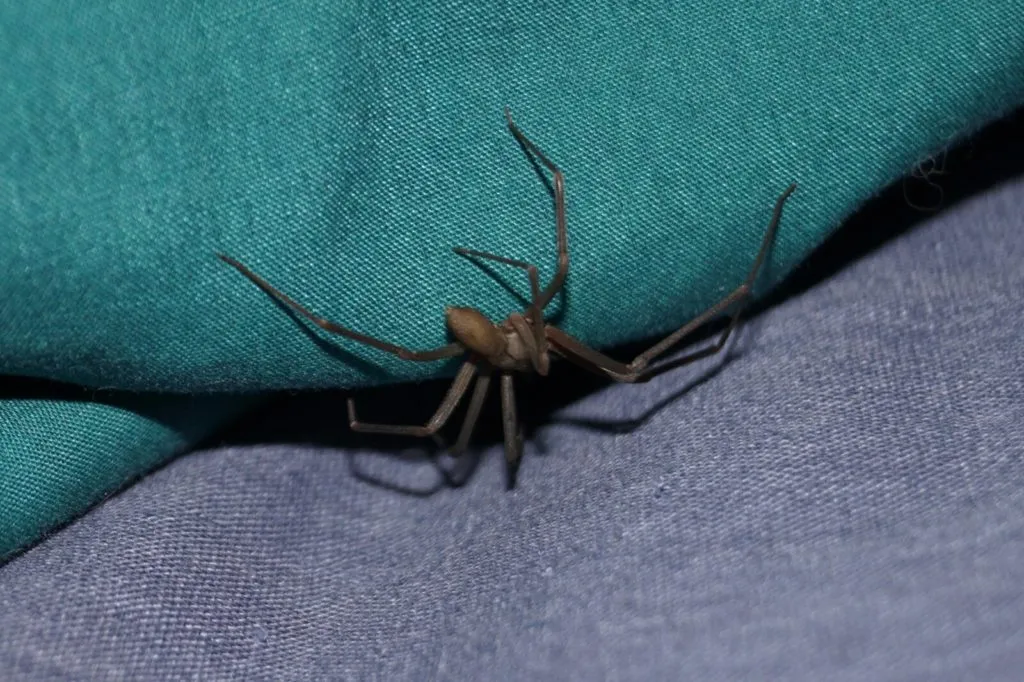
The brown recluse spider, also known as the violin spider due to the violin-shaped marking on its cephalothorax, is a much smaller spider than the tarantula but is far more venomous. Unlike tarantulas, brown recluse spiders are generally more reclusive, preferring to hide in dark, undisturbed places. This section will delve into their characteristics, behavior, and the severity of their bites to better understand their potential danger and how to protect yourself. Knowing the differences between the two spiders is very important in the event of an encounter.
Physical Characteristics of Brown Recluse
Brown recluse spiders are small to medium-sized, typically about half an inch in body length. They are light to medium brown, with a characteristic violin-shaped marking on the cephalothorax (the combined head and chest). They have six eyes arranged in pairs, an unusual feature for spiders, which usually have eight. This marking, along with their size, helps differentiate them from other spiders. This spider’s coloring and size make them hard to spot, and the violin marking is not always prominent. That is why awareness is critical if you live in areas where they are found.
Brown Recluse Behavior and Habitat
Brown recluse spiders are not aggressive and will bite only if they feel threatened. They are nocturnal hunters and prefer to hide in dark, dry, undisturbed places like closets, attics, woodpiles, and storage areas. They build irregular webs and often hunt at night. They are commonly found in the central and southern United States. Avoiding areas where these spiders might be hiding is the first line of defense. Regular inspections and cleanliness in these areas are important to reduce the risk of encountering a brown recluse.
Brown Recluse Venom and Bites

The venom of the brown recluse is cytotoxic, meaning it destroys tissues at the bite site. A bite can cause localized pain, redness, and swelling, followed by the formation of a blister. In severe cases, the bite can lead to necrosis, the death of tissue, which can take weeks or months to heal and may require medical intervention. The effects of the bite can vary depending on the amount of venom injected and the individual’s sensitivity. Unlike tarantula bites, brown recluse bites can have significant health implications. Prompt medical attention is essential if you suspect a brown recluse bite.
Comparing the Danger of Tarantulas and Brown Recluse
When comparing the danger posed by tarantulas and brown recluse spiders, several factors come into play, including the severity of their bites, the potency of their venom, and how frequently bites occur. This section will compare each of these aspects to determine which spider presents a greater risk to humans. A balanced assessment of these factors helps determine which spider poses a greater threat in everyday life. Understanding these differences can guide prevention and treatment strategies.
Severity of Bites
Tarantula bites are generally not considered medically significant, causing localized pain, redness, and swelling, similar to a bee sting. Brown recluse bites, however, can be much more severe. The venom can cause tissue necrosis, leading to a lesion that can take weeks or months to heal. The severity of the bite depends on the amount of venom injected and the individual’s response. A brown recluse bite can lead to serious complications. Therefore, brown recluse bites are considered more dangerous than tarantula bites due to their potential for causing tissue damage and the associated health risks.
Venom Potency and Effects

The venom of a tarantula is not considered highly toxic to humans, primarily causing local symptoms. The venom of a brown recluse spider is cytotoxic, meaning it can cause tissue damage and necrosis at the bite site. This significant difference in venom potency is a primary reason brown recluse spiders are considered more dangerous. The effects of brown recluse venom can include severe skin lesions, and systemic symptoms in some cases. The greater potency of the brown recluse venom makes it more dangerous than the venom of the tarantula.
Frequency of Bites and Exposure
While the brown recluse spider’s bite is more dangerous, the frequency of bites is relatively low. Brown recluse spiders are not aggressive and typically bite only when they feel threatened. The brown recluse spider’s reclusive nature often means they are not encountered frequently. Tarantulas, on the other hand, are generally docile and rarely bite unless provoked. However, the potential for severe tissue damage makes brown recluse bites more of a concern, even if they occur less often. It is critical to consider the potential severity of a bite when assessing the overall risk.
Identifying Spiders for Safety
Accurate spider identification is essential for ensuring safety. Knowing how to distinguish between tarantulas and brown recluse spiders can help you react appropriately if you encounter one. Correct identification is critical because it affects the type of medical attention required and the precautions you should take. Developing observational skills and knowing key physical characteristics is important for safety. The ability to correctly identify a spider can make all the difference in ensuring a safe encounter.
How to Identify a Tarantula

Tarantulas are large, hairy spiders with a wide leg span. They often have colorful appearances, varying from brown and black to brighter hues. Look for the size and the presence of hairs on the body and legs. Identifying the physical traits can rule out other types of spiders. The overall size is the most obvious characteristic that distinguishes them from other spiders. Be cautious, and do not attempt to handle an unknown spider without proper training.
How to Identify a Brown Recluse
Brown recluse spiders are smaller and have a distinctive violin-shaped marking on their cephalothorax. They have six eyes instead of the usual eight found in most spiders. Note the color, which is light to medium brown. The violin marking is the most unique identifying factor. These spiders are often found in dark, undisturbed locations. Being able to quickly identify a brown recluse spider is very important for safety, and it can help you make informed decisions about your health.
Safety Measures and Prevention
Preventing spider bites is possible with certain precautions. This section will cover risk reduction and measures you can take to protect yourself. Proper safety measures are essential for avoiding encounters and bites from both tarantulas and brown recluse spiders. Implementing these steps can dramatically reduce the risk of spider bites. Regular inspections and caution will help you stay safe.
Reducing Risks of Spider Encounters

Regularly inspect and clean areas where spiders might hide, like closets, attics, basements, and storage areas. Seal cracks and crevices to prevent spiders from entering your home. When working outdoors, wear gloves, long sleeves, and long pants, and be aware of your surroundings. Store firewood away from your home to avoid attracting spiders. Removing webs regularly can reduce the spider population. Minimizing clutter is important since clutter provides hiding places for spiders. By taking the right precautions, you can significantly minimize the risk of a spider encounter. Proper inspections and preventive measures are necessary.
First Aid and Medical Treatment
If bitten by a spider, seek medical attention immediately. Clean the bite area with soap and water and apply a cold compress. If possible, try to capture or identify the spider for medical professionals. For brown recluse bites, medical treatment may involve wound care, antibiotics to prevent infection, and, in severe cases, surgery. For tarantula bites, treatment is usually symptomatic, focusing on pain relief and preventing secondary infections. Seeking medical help is the safest course of action after any spider bite, especially if there are concerning symptoms. Rapid response and accurate medical care are very important.
In conclusion, when comparing tarantulas and brown recluse spiders, the brown recluse poses a greater threat due to the potential severity of its bite. While tarantulas are large and can be intimidating, their venom is generally not highly toxic to humans. Brown recluse spiders, however, have venom that can cause significant tissue damage. By understanding the differences between these spiders, taking appropriate safety measures, and seeking prompt medical attention when necessary, you can protect yourself and your loved ones. Always prioritize safety, awareness, and caution when dealing with spiders or any other potentially dangerous wildlife.