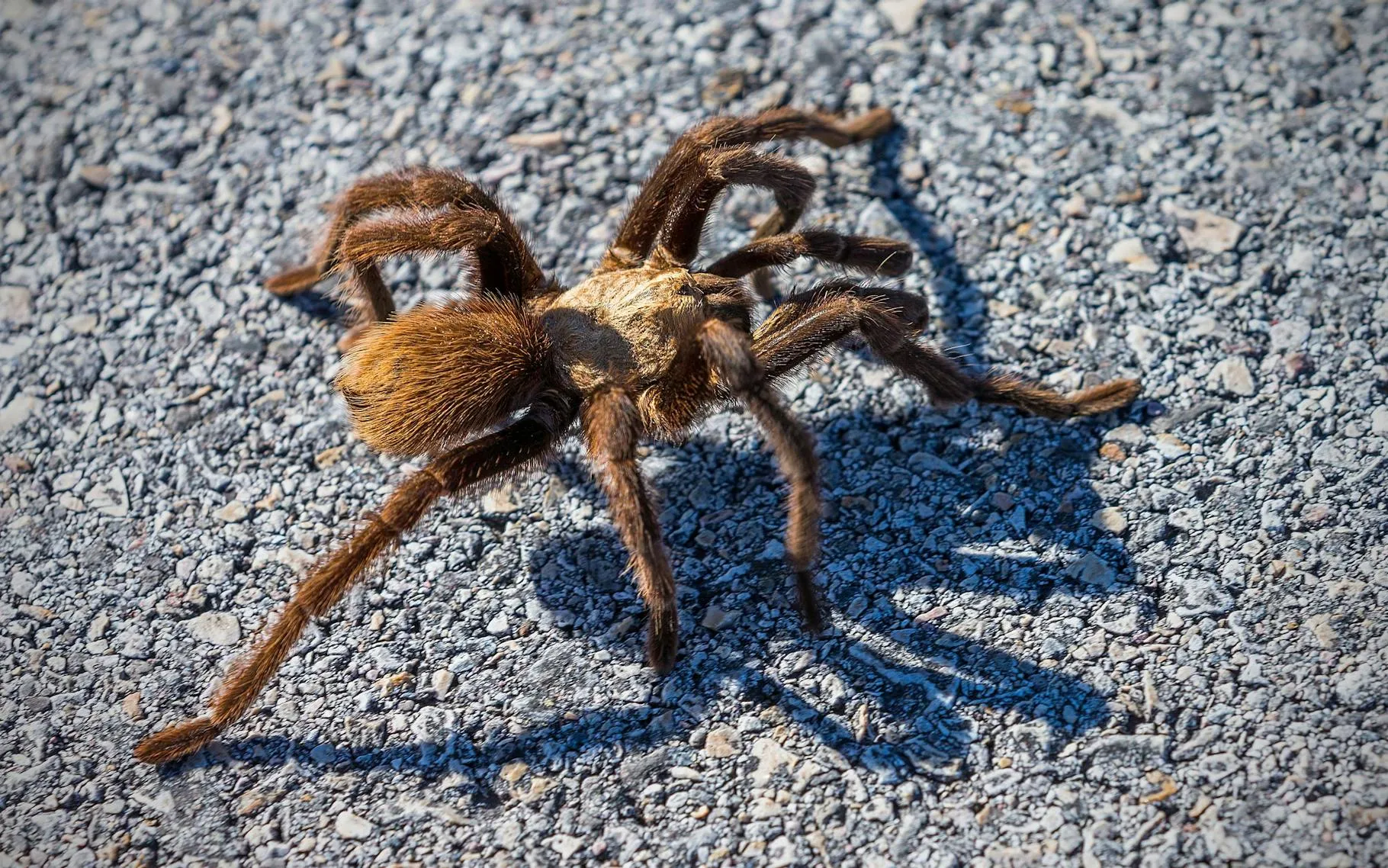
West Texas Tarantulas Overview
West Texas, with its vast landscapes and diverse ecosystems, is home to a fascinating array of wildlife, including the iconic tarantula. These large, hairy spiders are a common sight in the region, and their presence often sparks both curiosity and apprehension. Understanding these creatures, their habits, and their role in the environment is key to appreciating the natural beauty of West Texas. This article delves into the world of West Texas tarantulas, providing essential facts and insights to help you better understand and respect these remarkable arachnids. From their identification and habitat to their behavior and conservation status, we’ll explore everything you need to know about these fascinating creatures.
What are Tarantulas
Tarantulas are large, hairy spiders belonging to the Theraphosidae family. They are known for their impressive size, with some species having leg spans exceeding 10 inches. Unlike many other spider species, tarantulas are relatively long-lived, with some females living for over 20 years. They are primarily nocturnal hunters, preying on insects, small reptiles, and sometimes even small mammals. Their venom, while potent enough to subdue their prey, is generally not considered dangerous to humans, causing only mild symptoms. Tarantulas play a crucial role in their ecosystems by controlling insect populations and serving as a food source for other animals.
Common Types of Tarantulas in West Texas

Several tarantula species call West Texas home, each with unique characteristics and preferences. The most commonly found species include the Texas Brown Tarantula (Aphonopelma hentzi), which is widespread throughout the state, and the Desert Tarantula (Aphonopelma chalcodes), which is also frequently encountered. The Texas Tan Tarantula (Aphonopelma anax) and the Oklahoma Brown Tarantula (Aphonopelma marxi) are also occasionally spotted. These spiders vary in size, color, and temperament, but they share a common ecological role. They help maintain the balance of the ecosystem. Identifying the exact species can be challenging, but understanding their general traits can enhance your appreciation of their diversity.
Identifying West Texas Tarantulas
Identifying tarantulas can be done by observing certain physical features, although species-level identification often requires close examination. Key characteristics include size, color, leg span, and the presence of specific markings on the carapace (the top part of the cephalothorax) and abdomen. The Texas Brown Tarantula is typically a dark brown color, while the Desert Tarantula tends to be lighter. The presence of urticating hairs (small, barbed hairs that the tarantula can flick at predators) is another key feature. For accurate identification, consulting a field guide or an expert is recommended. It’s important to observe these spiders from a safe distance to avoid disturbing them.
Tarantula Habitats in West Texas
The diverse habitats of West Texas provide ample opportunities for tarantulas to thrive. They can be found in various environments, from grasslands and deserts to canyons and woodlands. Their choice of habitat often depends on factors like the availability of prey, soil conditions, and the presence of suitable shelter. They are well-adapted to the arid climate, with behaviors and physical traits that help them survive in harsh conditions. Knowing the preferred habitats can increase the likelihood of encountering these fascinating creatures.
Preferred Environments

Tarantulas in West Texas prefer habitats that provide them with protection from the elements and a steady supply of food. They often burrow underground, creating tunnels that serve as both shelter and hunting grounds. These burrows are typically located in areas with well-drained soil, such as beneath rocks, along riverbanks, or in the shade of plants. They will also utilize natural features, such as crevices in rocks or under logs, to create their shelters. The presence of insects and other invertebrates is essential for their survival, so they tend to inhabit areas rich in these food sources.
Seasonal Activity
Tarantula activity in West Texas is closely tied to the seasons. They are most active during the warmer months, especially late summer and early fall, when males go on their mating wanderings. During this time, male tarantulas will leave their burrows in search of females, making them more visible. During the colder months, tarantulas tend to retreat into their burrows to conserve energy and avoid harsh weather conditions. The timing of these activities can vary slightly depending on the specific species and the local climate conditions.
Tarantula Behavior & Characteristics
Understanding tarantula behavior and characteristics helps you appreciate their complex lives. Their interactions with their environment and their strategies for survival are a testament to their evolutionary success. They possess unique adaptations and engage in fascinating behaviors that are crucial for their survival in the challenging West Texas environment. This includes their dietary habits, defense mechanisms, and the ways they interact with their surroundings.
Diet and Feeding Habits

Tarantulas are primarily insectivores, but their diet can vary based on the size and availability of prey. They feed on insects such as crickets, grasshoppers, and beetles. Larger tarantulas may also consume small reptiles, amphibians, and even small mammals. They are ambush predators, patiently waiting for their prey to come within striking distance. Once close enough, they pounce on their target, injecting venom to immobilize and begin digestion. Their powerful chelicerae (fangs) are designed to crush and manipulate their prey. Tarantulas eat less frequently as adults, sometimes going for weeks or even months without feeding.
Defense Mechanisms
Tarantulas have several defense mechanisms to protect themselves from predators. One of the most effective is their urticating hairs, which they can flick at threats. These hairs are irritating to the skin and eyes of potential attackers. They also possess powerful chelicerae (fangs) and can bite if provoked. Tarantulas also use their size and speed to intimidate predators. They will often raise their front legs and rear up defensively when threatened. When they feel threatened, they will try to flee, using their speed and agility to escape. These defenses are crucial for their survival in the wild.
Tarantula Conservation and Safety
Conservation and safety are important considerations when it comes to tarantulas in West Texas. While tarantulas are not generally considered dangerous to humans, it’s important to respect their space and understand how to safely coexist. Additionally, as part of the ecosystem, they play a critical role in the balance of their environment, and their conservation is important for the overall health of West Texas wildlife. Understanding these aspects will help you appreciate their value.
Threats to Tarantulas

Tarantulas in West Texas face several threats, including habitat loss due to development and agriculture. Pesticide use can also impact their food sources, and their populations can be affected by road traffic, especially during mating season. Climate change can also pose challenges, with extreme weather events potentially disrupting their habitats and activity patterns. Some tarantula species are collected for the pet trade, which, if not managed sustainably, can negatively affect wild populations. Addressing these threats requires a multifaceted approach, including habitat preservation, sustainable land management practices, and public education.
Safety Measures for Humans
While tarantulas are not aggressive, it’s important to take certain precautions when you encounter them. Avoid handling tarantulas, as they may bite if they feel threatened. If you see a tarantula, observe it from a safe distance. Avoid areas known for tarantula activity, especially at night, if you are concerned. Keep your pets on a leash and supervise them closely to prevent them from encountering or disturbing tarantulas. If bitten, clean the wound thoroughly and seek medical attention if you experience any severe reactions. Proper education and awareness will ensure both human and tarantula safety.
Responsible Tarantula Viewing
Responsible tarantula viewing involves appreciating these creatures without causing harm to them or their habitats. This means respecting their space and avoiding any actions that might disturb or endanger them. Support conservation efforts and educate others about the importance of tarantulas in the ecosystem. When observing tarantulas, do so from a distance and avoid touching them. Take photos but avoid excessive flash photography, which can disturb them. By promoting responsible viewing, you can help ensure that future generations can also experience the wonder of these amazing creatures.