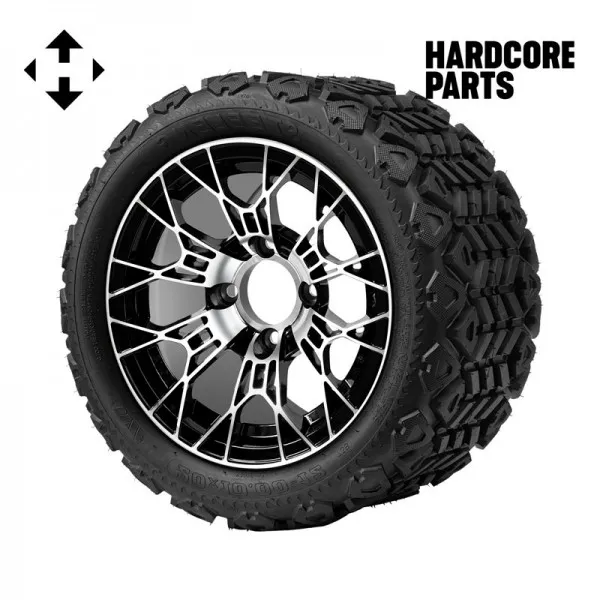
What are Tarantula Wheels
Tarantula wheels are a specialized type of wheel designed primarily for off-road vehicles, offering enhanced performance and durability in challenging terrains. These wheels are engineered to withstand the rigors of off-roading, providing superior grip, traction, and overall handling compared to standard wheels. The unique design and robust construction make them a popular choice for off-road enthusiasts who demand the best from their vehicles. The name itself evokes a sense of strength and resilience, much like the arachnid it is named after. These wheels are built to conquer diverse landscapes, from rocky trails to muddy tracks, ensuring drivers can navigate with confidence and control. This advanced design and function are key to what makes Tarantula wheels stand out in the automotive market.
The Basic Design and Function
The design of Tarantula wheels often features a unique combination of elements to optimize performance. The wheels usually have a strong, lightweight alloy construction with a specific offset and bolt pattern to ensure a secure and stable fit on the vehicle. The rim design is often reinforced to handle the stresses of off-road driving, and the beadlock feature is incorporated to prevent the tire from separating from the rim at low pressures. The primary function is to provide a reliable platform for the tires, enhancing traction, and protecting the vehicle’s suspension system. The design is typically focused on durability, resistance to damage, and ease of maintenance, making them ideal for off-road adventures. The primary goal is to help the tires perform better.
Materials Used in Construction

Tarantula wheels are constructed using high-quality materials to ensure durability and performance. Aluminum alloys are a common choice due to their strength-to-weight ratio, which reduces unsprung mass and improves handling. Steel is another option, known for its robustness and resistance to impact, making it suitable for extreme off-road conditions. In addition to the wheel itself, the beadlock rings, if included, are often made from durable steel or reinforced aluminum to securely hold the tire bead. The use of high-grade materials ensures that Tarantula wheels can withstand the demands of off-roading, resisting damage from rocks, debris, and impacts, while maintaining structural integrity. These materials provide a balance of strength and weight, which is essential for optimal performance.
Benefits of Using Tarantula Wheels
Choosing Tarantula wheels offers several key advantages for off-road enthusiasts. These wheels are designed to improve various aspects of the vehicle’s performance, enhancing both the driving experience and the vehicle’s capabilities. The benefits extend beyond just aesthetics; they contribute to increased safety, control, and the ability to tackle challenging terrains. Tarantula wheels represent a significant investment in improving the off-roading capabilities of any vehicle, making them a desirable upgrade for serious adventurers. The right set of Tarantula wheels can transform your vehicle, making it more capable and enjoyable on the trail.
Improved Performance
Tarantula wheels contribute significantly to improved off-road performance. The design and materials used in these wheels are engineered to provide better handling and responsiveness. With a lower unsprung mass, the suspension can react more quickly to bumps and uneven surfaces, leading to a smoother ride and better control. The enhanced grip and traction provided by the wheels allow the vehicle to maintain momentum and navigate obstacles with greater ease. The result is a more confident and controlled driving experience, whether you’re climbing hills, traversing rocky paths, or navigating muddy trails. Performance is also enhanced by the wheels’ ability to support lower tire pressures, allowing the tires to conform to the terrain.
Enhanced Durability

Durability is a primary focus in the design of Tarantula wheels. These wheels are built to withstand the harsh conditions of off-roading, including impacts from rocks, debris, and other obstacles. The robust construction, often using strong alloys and reinforced designs, ensures that the wheels can handle the stresses of rugged terrain. This enhanced durability reduces the risk of wheel damage, such as dents, cracks, or bends, extending the lifespan of the wheels. It also minimizes the chances of being stranded due to wheel failure. The result is a reliable and long-lasting product that can endure the demands of off-road adventures.
Better Grip and Traction
Tarantula wheels are designed to maximize grip and traction, a critical factor in off-road performance. The wheel design and the ability to mount appropriate tires contribute to improved contact with the ground. Beadlock systems, common in Tarantula wheels, allow drivers to run lower tire pressures without the risk of the tire separating from the rim, further enhancing grip by increasing the tire’s contact patch. This improved traction helps the vehicle climb hills, traverse slippery surfaces, and maintain stability in challenging conditions. This enhanced grip allows the vehicle to overcome obstacles and maintain control. This makes Tarantula wheels an essential upgrade for any off-road vehicle.
Factors to Consider When Choosing Tarantula Wheels
Selecting the right Tarantula wheels involves considering several key factors to ensure they meet your specific needs and vehicle requirements. Factors like wheel size, tire compatibility, and load capacity all play a crucial role in the wheel’s performance and safety. Understanding these considerations will help you choose wheels that provide the best possible experience and performance for your off-road adventures. It is crucial to make sure that the wheels are compatible with your vehicle and that they are appropriate for your intended use.
Wheel Size and Compatibility

Wheel size is a critical factor when choosing Tarantula wheels. It must be compatible with your vehicle’s bolt pattern, offset, and brake system. Measure the bolt pattern and offset of the wheels you have currently, or consult the manufacturer’s specifications for your vehicle. Incorrect wheel size can lead to poor handling, tire rubbing, and even damage to the vehicle. The wheel’s diameter and width should be suitable for the intended tire size and off-road conditions. Ensure that the wheels clear the brake calipers and other suspension components. The size must align with the vehicle’s specifications for safety.
Tire Type and Tread Pattern
The tire type and tread pattern you choose for your Tarantula wheels will significantly impact off-road performance. Different tire types are designed for various terrains, so consider the kind of off-roading you intend to do. All-terrain tires provide a good balance of on-road and off-road performance, while mud-terrain tires are designed for maximum traction in muddy conditions. Aggressive tread patterns with large voids and deep lugs provide excellent grip in loose surfaces. Proper tire selection will make a difference in how your vehicle performs. Choose tires and tread patterns appropriate for your typical off-road environment.
Weight and Load Capacity
The weight and load capacity of Tarantula wheels are critical for safety and performance. Ensure that the wheels you choose have a load rating that meets or exceeds the gross vehicle weight rating (GVWR) of your vehicle. Overloading the wheels can lead to failure, potentially causing accidents. Lighter wheels can improve handling and fuel efficiency by reducing unsprung mass. However, ensure that the wheels are still strong enough to withstand the stresses of off-roading. Consider the weight of the vehicle, the added weight of any accessories, and the maximum load you expect to carry when selecting wheels. The wheels should be strong enough and safe.
Maintenance and Care Tips for Tarantula Wheels

Proper maintenance and care are essential to ensure the longevity and performance of your Tarantula wheels. Regular inspections, cleaning, and appropriate storage practices will help protect the wheels from damage and maintain their functionality. Following these maintenance tips will help keep your wheels in top condition, ensuring they continue to perform well on and off the road. Taking care of your wheels will guarantee a better off-roading experience.
Regular Cleaning and Inspection
Regular cleaning is crucial for maintaining your Tarantula wheels. After each off-road trip, remove any mud, dirt, and debris from the wheels using soap, water, and a soft brush. This prevents corrosion and helps you identify any potential damage. Regularly inspect the wheels for any signs of damage, such as dents, cracks, or bends. Check the beadlock rings for any damage or loose bolts. Also, inspect the tires for cuts, punctures, or uneven wear. Addressing any issues promptly will prevent further problems. Cleaning and inspecting your wheels after each use is the best way to extend their life.
Proper Storage
When storing your Tarantula wheels for extended periods, proper storage is important to protect them from the elements and ensure they remain in good condition. Clean and dry the wheels thoroughly before storing them. Store the wheels in a cool, dry place away from direct sunlight and extreme temperatures. If possible, store the wheels off the ground, such as on a rack or shelf, to prevent contact with moisture. If you have beadlock wheels, ensure the beadlock rings are properly secured. Store your wheels in a place where they won’t be exposed to the elements or damaged.
Common Issues and Troubleshooting
Even with proper care, Tarantula wheels may encounter issues. Understanding common problems and how to troubleshoot them can help you maintain your wheels and keep your vehicle running smoothly. Recognizing these issues early on allows you to take appropriate steps to address the problem. Common issues include damage from impacts, tire punctures, and issues with the beadlock system. Knowing how to troubleshoot these problems can help to resolve issues quickly.
If you experience any issues with your Tarantula wheels, such as vibrations, leaks, or damage, it’s crucial to inspect them immediately. Check for any loose bolts, cracks, or dents. If you suspect a tire puncture, inspect the tire for any foreign objects and check the tire pressure. If you have beadlock wheels, ensure that the beadlock rings are securely tightened and the tire is properly seated. If you’re not comfortable addressing the issue, it’s best to seek professional help from a qualified mechanic. Early detection is crucial for preventing further damage.