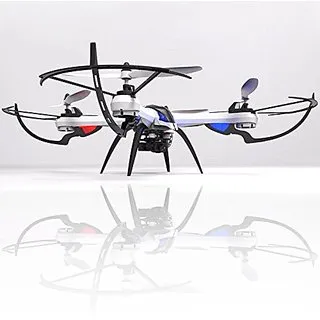
Understanding the Tarantula X6 Camera Drone
The Tarantula X6 camera drone is a popular choice for beginners and hobbyists, offering an accessible entry point into the world of aerial photography and videography. Known for its affordability and ease of use, the X6 provides a great platform to learn the basics of drone flying. This guide will walk you through everything you need to know to get your Tarantula X6 camera drone up in the air and capturing stunning aerial shots. We’ll cover essential aspects like setup, flight control, camera operation, and maintenance, ensuring you have a smooth and enjoyable flying experience. Before you begin, familiarize yourself with local regulations and airspace rules to ensure safe and legal operation of your drone.
Key Components of the Tarantula X6 Camera Drone
The Tarantula X6 camera drone comprises several essential components that work together to enable flight and capture images. Understanding these parts is crucial for operation, maintenance, and troubleshooting. The main body houses the flight controller, battery, and motors. The propellers generate lift and thrust, requiring careful handling to avoid damage. The included remote control is the pilot’s interface, transmitting commands to the drone. The camera is mounted on the drone to capture photos and videos. The battery powers the entire system and is vital for flight duration. These are the basic components you must understand before even attempting to power on your drone for the first time.
The Camera and its Functions

The built-in camera is a key feature of the Tarantula X6, allowing users to record aerial footage and capture still images. Typically, the camera records video in standard definition. Its primary function is to provide a unique perspective of the world from above. The camera’s functions include video recording, still photography, and sometimes, the ability to adjust settings such as white balance and exposure. The quality of the images is suitable for beginners to practice photography or just for the fun of it. The camera allows users to easily share their aerial experiences. The features are typically controlled through the remote. It’s recommended that you familiarize yourself with all the camera features before the first flight.
Preparing for Your First Flight
Before taking to the skies, thorough preparation is essential to ensure a safe and successful first flight with your Tarantula X6 camera drone. This preparation includes checking the drone’s condition, familiarizing yourself with the remote control, and calibrating the drone’s sensors. Neglecting these steps can lead to accidents and frustration. Make sure to find a suitable outdoor location with plenty of open space and no obstructions, such as trees or buildings. Also, keep a safe distance from people, animals, and power lines. The objective is to have a safe and controlled environment for your first flights.
Checking the Drone and Battery
Before each flight, inspect your Tarantula X6 camera drone for any signs of damage, such as cracks in the propellers or body, loose components, or worn-out motor shafts. Make sure that the propellers are attached securely and spin freely without any obstructions. The battery is critical to the drone’s operation, so check its charge level before flying. Ensure the battery is fully charged before your first flight. Also, inspect the battery for any swelling or damage. If any problems are found, it’s best to replace these items before you fly your drone.
Understanding the Remote Control

The remote control is the pilot’s command center, so it’s crucial to understand the layout and functions of its controls. Familiarize yourself with the sticks that control direction and altitude. The left stick typically controls altitude and yaw (rotation), while the right stick controls forward/backward and sideways movement (pitch and roll). Locate the buttons for taking off, landing, and camera functions. Read the remote control manual to understand the function of each control and the different modes. Practice with the remote on the ground to get comfortable with the controls. The goal is to be in full control of your drone, with no surprises.
Calibrating the Drone
Calibration ensures that the drone’s sensors are aligned correctly, allowing for stable and accurate flight. Calibration typically involves a series of steps using the remote control. Follow the instructions provided in the user manual for the Tarantula X6 camera drone. Calibration usually involves placing the drone on a level surface and rotating the drone in specific patterns, such as horizontal or vertical circles, until the LED lights on the drone indicate the calibration is complete. Properly calibrating the drone before each flight minimizes drift and ensures responsiveness to the controls. Calibration is an important procedure that should not be skipped.
Taking Off and Basic Maneuvers
Once you’ve prepared your drone and are ready to fly, the next step is to master the basic maneuvers required to pilot your Tarantula X6 camera drone. Start with simple controls such as takeoff, hovering, controlling altitude and direction, and landing safely. Practice these maneuvers in an open space before attempting more complex flight patterns or using the camera. Proper technique will prevent accidents and make flying an enjoyable experience.
Initiating the Takeoff

There are a few methods for initiating the takeoff with your Tarantula X6 camera drone, but the most common involves pressing a specific button on the remote control. Ensure the drone is on a level surface before takeoff. Press the takeoff button, and the drone’s propellers will begin to spin up, and the drone will lift off the ground. Monitor the drone’s stability during takeoff and adjust the controls as needed. Be prepared to counter any drift or instability to keep your drone steady. Ensure there are no obstacles in its path. Takeoff is the first crucial step for a successful flight.
Controlling Altitude and Direction
The remote control sticks allow you to control the drone’s altitude and direction. Use the left stick to control the altitude (up and down) and yaw (rotation). Use the right stick to control the forward/backward movement (pitch) and sideways movement (roll). Gently adjust the sticks to move the drone in the desired direction, avoiding abrupt movements that could cause instability. Practice controlling the drone’s altitude, direction, and rotation separately. By gradually increasing speed and height, you can get a better feeling for the controls. This will improve your precision and confidence.
Landing Safely
Landing the drone safely is just as important as taking off. When you are ready to land, find a clear, flat surface. Slowly descend the drone using the left stick. Keep the drone steady during the descent to avoid any impacts. As the drone approaches the ground, gently reduce the altitude. Once the drone touches down, immediately disengage the motors to stop the propellers from spinning. Keep the remote control until the propellers stop spinning. Do not attempt to grab the drone in mid-air. Remember to land on a flat surface to avoid any potential damage.
Advanced Flying Techniques

Once you’ve mastered the basic controls, it’s time to explore advanced flying techniques that will enhance your aerial photography skills. These techniques include using the camera, performing tricks and stunts, and gaining greater control over the drone. With practice, you can capture more dynamic and engaging footage and improve your overall flying experience.
Using the Camera
The Tarantula X6 camera drone enables you to take photos and record videos. The remote control allows you to control the camera, starting or stopping video recordings and taking photos. The camera settings can include things such as video resolution. Before using the camera, ensure you have a properly formatted microSD card inserted into the drone’s camera slot. Practice with the camera functions to familiarize yourself with their operation. The quality of the images will depend on the lighting conditions and the drone’s camera capabilities.
Performing Tricks and Stunts
Once you’re comfortable with the basic controls and maneuvers, you can try performing tricks and stunts such as flips, rolls, and other aerial maneuvers. Before attempting stunts, ensure you have sufficient open space and a good understanding of the drone’s capabilities. Start with simple maneuvers, and gradually increase the complexity. Be mindful of the drone’s battery level, as stunts can drain the battery quickly. Always prioritize safety and avoid stunts near obstacles or people. Practice makes perfect, so expect some failures. Have fun and enjoy the exciting possibilities that stunt flying provides.
Troubleshooting Common Issues

Even with careful operation, you may encounter some issues while flying your Tarantula X6 camera drone. These can range from simple problems, such as not turning on, to more complicated issues, such as the drone not responding to controls. Knowing how to troubleshoot common problems can help you quickly resolve them and get back in the air. Refer to the user manual for detailed troubleshooting steps and contact customer support if you need further assistance.
Drone Won’t Turn On
If your Tarantula X6 camera drone won’t turn on, first check the battery. Make sure the battery is properly connected and charged. If the battery is charged and connected, check the power switch on the drone. If the drone still doesn’t turn on, there may be a problem with the power supply or the internal electronics. Consult the user manual for further troubleshooting steps. If the issue persists, contact customer support for assistance.
Drone Not Responding to Controls
If your Tarantula X6 camera drone is not responding to the controls, it could be due to several issues. First, ensure the remote control is turned on and has enough battery power. Make sure the drone and remote control are paired. Then, check the signal strength between the drone and remote control. If you are far away from the drone, move closer to re-establish the connection. If the problem persists, try calibrating the drone again. Sometimes, interference can disrupt the signal between the drone and the remote. If these troubleshooting steps don’t resolve the issue, consult the user manual.
Camera Problems

If you are experiencing camera problems, such as blurry images, no video recording, or the camera not working at all, there are several possible causes. First, make sure the camera lens is clean and free from debris. Check if the microSD card is properly inserted and has enough storage space. Sometimes, the camera settings are incorrect. Check and adjust the camera settings. Also, ensure the camera is properly connected to the drone. If all else fails, consider resetting the camera settings to their defaults. If the problem continues, consider contacting customer support.
Maintaining Your Tarantula X6 Camera Drone
Proper maintenance is essential to extend the life of your Tarantula X6 camera drone and ensure optimal performance. This includes regular cleaning, proper storage, and battery care. By taking care of your drone, you can ensure it remains in good condition, ready for your next adventure. Consistent maintenance will also ensure that it is safe to fly.
Cleaning and Storage
After each flight, clean your Tarantula X6 camera drone to remove any dust, dirt, or debris. Use a soft, dry cloth to wipe down the drone’s body and propellers. Remove any debris from the motor shafts and around the camera lens. When storing your drone, place it in a cool, dry place away from direct sunlight and extreme temperatures. If you have the original packaging, consider storing your drone in its original box for added protection. Clean and proper storage will prevent damage to the components.
Battery Care
Proper battery care is critical to extend the lifespan of your drone’s battery. Always charge the battery using the charger provided by the manufacturer. Do not overcharge the battery. When storing the battery for an extended period, charge it to about 50%. Avoid exposing the battery to extreme temperatures. Before each flight, inspect the battery for any swelling or damage. Replace the battery if you notice any signs of damage. Correct battery care will extend the lifetime of your battery.
Mastering the art of flying your Tarantula X6 camera drone opens up a world of possibilities, from capturing breathtaking aerial photos and videos to experiencing the thrill of flight. By following this guide, you’ll be well-equipped to take your first flight. Remember to prioritize safety, practice regularly, and enjoy the journey of exploring the skies. Always check and respect local regulations and airspace rules. Happy flying!