Tarantula XL 7 Top Facts You Need to Know
The Tarantula XL, a captivating creature of the arachnid world, has intrigued enthusiasts and scientists alike. With its impressive size, diverse coloration, and fascinating behaviors, the Tarantula XL offers a unique perspective on the intricacies of nature. This guide delves into seven top facts about the Tarantula XL, offering a comprehensive overview of its characteristics, care, and intriguing aspects. Whether you’re a seasoned arachnid keeper or a curious beginner, these insights will provide a deeper appreciation for this remarkable species. Prepare to uncover the secrets of the Tarantula XL and embark on a journey into the world of these amazing creatures.
What is the Tarantula XL
The term ‘Tarantula XL’ generally refers to the larger species of tarantulas, often those exceeding average sizes found in the tarantula family (Theraphosidae). These can include various species from different genera, bred for their imposing size and striking appearances. Tarantulas are characterized by their large size, hairy bodies, and eight legs, making them a fascinating subject for study and a popular choice among pet enthusiasts. Their diverse species range from the colorful, arboreal types to the more subdued, terrestrial varieties, each offering unique characteristics. Careful observation of the Tarantula XL provides insight into the complex evolutionary adaptations that contribute to their survival in diverse environments.
Origin and Classification of Tarantula XL

Tarantulas belong to the family Theraphosidae, which is part of the suborder Mygalomorphae, a group known for their primitive characteristics and burrowing behavior. The Tarantula XL encompasses species from various geographical origins, including South America, North America, and Asia. Their classification involves several genera and species, each distinguished by unique morphological and behavioral traits. These arachnids have evolved over millions of years, adapting to a range of climates and habitats. Understanding their origin provides insight into their adaptation to their environment, which is crucial for effective care and conservation. Discovering their classification helps to understand their evolutionary lineage and their relationships with other spider species.
Physical Characteristics of Tarantula XL
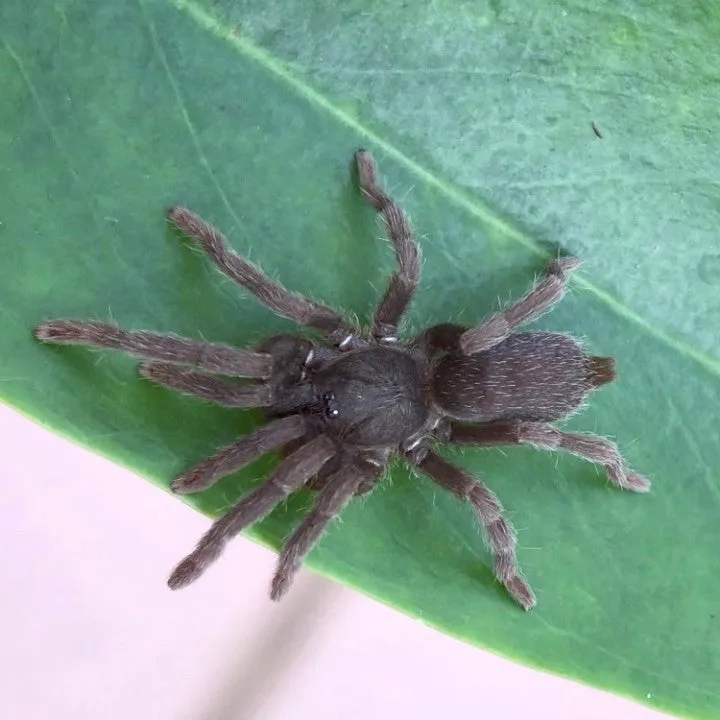
The physical attributes of the Tarantula XL are both diverse and striking. Their bodies are divided into two main parts, the cephalothorax (fused head and thorax) and the abdomen. They are covered in a thick layer of hairs, which serve both sensory and defensive functions. These hairs vary in color and density, providing camouflage and protection against predators. Their fangs, though not always visible, are a crucial element in their predatory behaviors. The size, coloration, and overall appearance can significantly vary between species, offering a captivating range of aesthetic qualities that make each species distinct and fascinating. Careful examination of the Tarantula XL’s physical features helps identify species and provides insights into their adaptation to their specific environments.
Size and Appearance
Tarantulas XL, as the name suggests, are often characterized by their impressive size, with some species reaching leg spans of over 10 inches. The overall size is contingent on the species, the environment in which they are raised, and their individual genetic makeup. They have robust bodies with eight legs, each equipped with claws that facilitate climbing and burrowing. The appearance is often dominated by a hairy exoskeleton. These characteristics make them one of the most visually distinctive spiders. The size and appearance are key aspects to consider when choosing a Tarantula XL, as they influence their habitat and care requirements.
Color Variations

The color variations in the Tarantula XL are truly remarkable, ranging from solid blacks and browns to vibrant oranges, blues, and reds. These colors are often influenced by the species, environmental factors, and genetic variations. The coloration serves multiple purposes, including camouflage, attracting mates, and deterring predators. Some species have intricate patterns and markings, which add to their aesthetic appeal. Observing these color variations provides insight into their adaptability. The variety of color in Tarantula XL adds to the allure of keeping them as pets, showcasing the diversity within the species.
Behavioral Traits of Tarantula XL
Tarantulas display a range of fascinating behaviors, from hunting and feeding to mating and defense. Their behavior is often species-specific, influenced by their environment and genetic makeup. Tarantulas are typically nocturnal, spending their days hidden in burrows or under rocks. They are ambush predators, relying on their sensory hairs to detect vibrations and movements, guiding them to prey. Understanding the behavioral traits of the Tarantula XL is key to proper care and appreciation. Their behavior also helps in designing appropriate habitats and interpreting their needs. Observing these behaviors offers insights into their interaction with their environment and other creatures.
Temperament and Handling
Tarantulas have varying temperaments, with some species being more docile and others more defensive. Handling a Tarantula XL can be a rewarding experience. It is vital to do so cautiously to ensure the safety of both the keeper and the spider. Some species are known for their quick movements and potential to bite, while others are more reluctant to bite. Always approach with respect and avoid sudden movements. It is recommended to research the specific species before handling. By understanding the temperament and handling techniques, keepers can interact safely, which enriches their experience.
Activity Levels and Habits

The activity levels of Tarantula XL can vary widely based on species, age, and environmental conditions. Some species are more active and tend to move around more frequently, whereas others spend more time in hiding. Their habits are closely tied to their natural environments, with terrestrial species often burrowing and arboreal species climbing. They typically hunt at night, relying on their keen senses to locate prey. Observing these activity levels and habits provides insights into their well-being. Ensuring the habitat provides the correct conditions promotes healthy activity. Understanding these aspects can help in providing the correct environment.
Habitat and Care of Tarantula XL
Creating a suitable habitat is crucial for the well-being of the Tarantula XL. Their habitat needs to mimic their natural environment, including temperature, humidity, and substrate. Proper care also involves providing the right food, water, and regular cleaning. Creating a comfortable, secure habitat reduces stress and encourages natural behaviors. Understanding their habitat and care requirements is essential for long-term health. Appropriate housing and care significantly contributes to their health and lifespan. By ensuring their comfort, you’ll contribute to the well-being of the Tarantula XL.
Enclosure Requirements
The enclosure should be appropriately sized, providing enough space for the Tarantula XL to move around and burrow. The dimensions will vary depending on the species and its adult size. A secure lid is essential to prevent escape. The materials used should be durable and easy to clean, such as glass or acrylic. The enclosure needs to be ventilated to regulate humidity and prevent mold growth. Consider the specific needs of the species when selecting an enclosure to ensure that their needs are met. Choosing the right enclosure is a crucial step towards proper care.
Substrate and Environmental Conditions

The substrate should be appropriate for the species, providing a comfortable medium for burrowing and maintaining humidity. Common substrates include coco coir, peat moss, and vermiculite. The temperature and humidity levels need to be maintained within the appropriate range. This is typically achieved with a heat source and regular misting or the use of a water dish. It is essential to monitor these conditions using thermometers and hygrometers. Careful management of substrate and environmental conditions ensures the well-being of the Tarantula XL. Maintaining the right conditions prevents health issues.
Feeding and Diet of Tarantula XL
Feeding the Tarantula XL involves providing a varied and nutritious diet. The type of food will depend on the species and the spider’s age. Their diet includes insects and other invertebrates, such as crickets, mealworms, and roaches. Fresh water should always be available. The feeding schedule and techniques may vary depending on the size and the appetite of the Tarantula XL. A balanced diet contributes to their overall health and growth. Careful attention to the feeding process will help them thrive. Providing appropriate food and water is fundamental to proper care.
What Do Tarantula XL Eat
Tarantula XL are primarily carnivores, with their diet consisting of insects and other small invertebrates. The most common food items are crickets, mealworms, roaches, and other feeder insects readily available at pet stores. The size of the prey should be proportionate to the size of the tarantula, to prevent choking or difficulty consuming the food. Some larger species may even be able to consume small vertebrates, such as small lizards or mice. The specific food types should be suitable to meet their nutritional needs. Always ensure the food is from a trusted source.
Feeding Schedule and Techniques

The feeding schedule for Tarantula XL varies with age, growth, and species. Younger tarantulas need to be fed more often than adults. Feed juveniles two to three times per week. Adult tarantulas can often be fed once a week or less. Place the prey in the enclosure and observe the spider’s response. Remove any uneaten food after 24 hours to avoid mold or stress. Provide fresh water at all times. Feeding techniques should be based on the species’ needs. A regular, appropriate feeding schedule will ensure the Tarantula XL receives adequate nutrition.
Health and Common Issues of Tarantula XL
Tarantulas, like any pet, are susceptible to health problems. Recognizing these issues early and providing appropriate treatment is essential. Common health problems include parasites, fungal infections, and injuries from molting. Proper care, including appropriate humidity and hygiene, can help to prevent many of these problems. Knowing common ailments ensures the health and well-being of the Tarantula XL. Regularly monitor their behavior and appearance. Early intervention can make a significant difference in the Tarantula XL’s recovery. Understanding common health problems facilitates proper care.
Recognizing and Treating Diseases
Early detection is critical. Common signs of illness include loss of appetite, lethargy, and unusual behaviors. Parasites can lead to various issues, which can be treated with appropriate medications prescribed by a veterinarian experienced with arachnids. Fungal infections can be a serious threat. They often result from poor environmental conditions. Maintaining optimal humidity levels will prevent their growth. If a disease is observed, seek professional advice. Prompt and accurate diagnosis will allow for appropriate treatment. Always follow the advice of qualified experts.
Molting and Growth of Tarantula XL

Molting is a natural process where tarantulas shed their exoskeleton to facilitate growth. The frequency of molting depends on age, with juveniles molting more often than adults. Before molting, the tarantula will typically stop eating and may appear lethargic. Provide a stable, stress-free environment during this time. Avoid handling or disturbing the tarantula while it is molting. After molting, the tarantula will be vulnerable, and it’s important to ensure it has time to harden its new exoskeleton. Molting is a crucial part of the Tarantula XL life cycle. Careful observation and proper care during the molting process are vital to its health and longevity.
Interesting Facts about Tarantula XL
Tarantula XLs are packed with unique characteristics that capture the imagination. Their lifespan, sometimes extending over decades, sets them apart from many other pets. The variations in growth rates, the extraordinary molting process, and their position in the animal kingdom all add to their charm. Discovering these interesting facts deepens the appreciation. Each detail contributes to the story of these fascinating creatures. Knowing these details allows a deeper understanding of their life.
Lifespan and Growth Rate
The lifespan of a Tarantula XL varies significantly based on species, gender, and environmental conditions. Females typically live much longer than males. Some females can live for over 20 years, while males often live for only a few years after reaching maturity. Growth rates also vary. Juveniles grow much faster than adults. The rate of growth is influenced by factors such as diet and temperature. The understanding of lifespan helps keepers to prepare for the long-term care of their Tarantula XL. Considering these elements enriches the experience of keeping these creatures.
Conservation Status
Some species of Tarantula XL face threats from habitat loss, overcollection, and the pet trade. Many species are not classified on the IUCN Red List, while others are considered vulnerable or endangered. Conservation efforts are necessary to protect these creatures and their habitats. Supporting reputable breeders and avoiding the purchase of wild-caught tarantulas are vital steps. Researching the conservation status of the species is crucial. The protection of the Tarantula XL depends on the global efforts. You can contribute to protecting the species.