Understanding the Curly Hair Tarantula
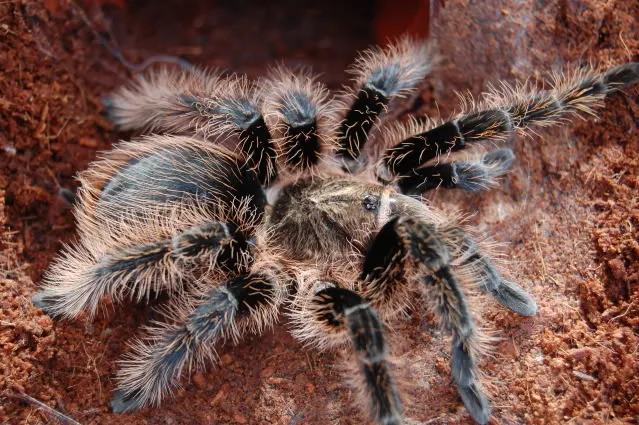
The Curly Hair Tarantula (Tliltocatl albopilosus), a captivating and relatively docile species, has become a favorite among tarantula enthusiasts. Their striking appearance, marked by a coat of reddish-brown hairs that give them a ‘curly’ look, makes them visually appealing. More importantly, their generally calm temperament and manageable care requirements contribute to their popularity. This comprehensive guide provides the necessary knowledge to ensure the well-being of your Curly Hair Tarantula, covering every aspect from habitat setup and feeding to health maintenance and responsible handling.
What is a Curly Hair Tarantula
The Curly Hair Tarantula, a terrestrial species, is native to the tropical regions of Central America, particularly Costa Rica. They are known for their beautiful reddish-brown coloration and the characteristic ‘curly’ appearance of their urticating hairs. These hairs are not actually curly, but rather appear so due to their structure. They are used by the tarantula as a defense mechanism. The species is relatively slow-growing, with females often living for over a decade, offering long-term companionship for dedicated keepers. Males, however, tend to have a shorter lifespan. Their docile nature makes them a great choice for beginners.
Origin and Habitat of the Curly Hair Tarantula

Native to the humid rainforests and dry scrublands of Costa Rica, the Curly Hair Tarantula thrives in environments with specific temperature and humidity levels. In their natural habitat, they construct burrows in the ground, utilizing the cover of leaf litter and vegetation to camouflage themselves and ambush prey. Understanding their natural environment is crucial for replicating it in captivity. Mimicking the conditions of their natural habitat ensures your tarantula remains healthy and comfortable, contributing to their longevity and overall well-being. Proper enclosure setup will help in recreating their natural environment.
Appearance and Characteristics
The Curly Hair Tarantula is medium-sized, with females typically reaching a leg span of up to 6 inches. Their bodies are covered in a striking coat of reddish-brown hairs. The ‘curly’ appearance of these hairs is more noticeable on the legs and abdomen, providing the species with its distinctive name. Their coloration can vary slightly depending on the individual, with some exhibiting more reddish tones than others. The males are typically smaller than females and have a shorter lifespan. The hairs on the abdomen are urticating hairs, used for defense.
Essential Enclosure Setup
Creating the right living space is paramount to your Curly Hair Tarantula’s health. The enclosure should replicate the tarantula’s natural habitat, providing a safe and comfortable environment. This includes appropriate dimensions, substrate, temperature, humidity, and furnishings. The enclosure should be escape-proof, well-ventilated, and easy to maintain. A well-designed enclosure will not only ensure the physical well-being of your tarantula but also enhance your enjoyment of observing this fascinating creature. A proper enclosure will also contribute to the tarantula’s overall health.
Choosing the Right Tank
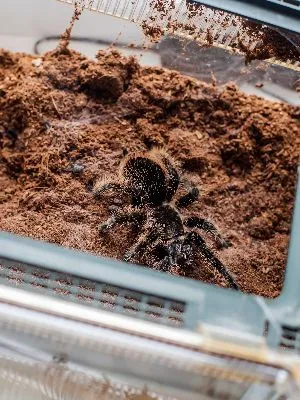
For a juvenile Curly Hair Tarantula, a 5-10 gallon tank is usually sufficient. As they grow, a larger enclosure is needed; an adult should be housed in a 10-20 gallon tank. The tank should be wider than it is tall, as this is a terrestrial species that prefers to move horizontally. Ensure the enclosure has a secure, well-ventilated lid to prevent escapes. Glass or acrylic tanks are suitable, with acrylic offering better insulation. Ensure the tank is placed in a location away from direct sunlight and excessive heat sources. Proper ventilation is necessary to prevent mold growth and to ensure sufficient airflow.
Substrate Selection and Depth
The substrate is the flooring of the enclosure and plays a critical role in maintaining humidity and providing a burrowing substrate. A substrate depth of 4-6 inches is recommended for adults, allowing them to burrow if they choose. Ideal substrate choices include a mixture of peat moss, coconut fiber, and vermiculite. These materials retain moisture well, allowing for proper humidity levels. Avoid using cedar or pine shavings, as they can be toxic to tarantulas. Regularly spot-clean the substrate to remove any uneaten food and waste, and replace the substrate entirely every 6-12 months to prevent the buildup of bacteria.
Temperature and Humidity Control
Maintaining the correct temperature and humidity levels is essential for your tarantula’s well-being. The ideal temperature range for a Curly Hair Tarantula is between 75-85°F (24-29°C). You can use a heat mat on the side of the enclosure to maintain temperature. Humidity levels should be maintained between 65-75%. Monitoring these levels with a hygrometer is crucial. To increase humidity, lightly mist the enclosure with dechlorinated water once or twice a week, depending on the humidity level. Good ventilation is important to avoid mold growth while still maintaining adequate humidity.
Providing Hides and Enrichment

Providing hiding places is crucial for your tarantula’s security and reduces stress. Cork bark, half logs, or artificial hides work well. Ensure the hide is appropriately sized for your tarantula. Decorate the enclosure with non-toxic plants or artificial plants to provide visual enrichment and extra hiding spots. Make sure decorations are secure and won’t fall and potentially injure your tarantula. A water dish, shallow enough to prevent drowning, should always be available. Avoid rearranging the enclosure frequently, as this can stress your tarantula.
Feeding Your Curly Hair Tarantula
Providing a proper diet is essential for the health and longevity of your Curly Hair Tarantula. This section will guide you through the best food choices, feeding frequency, and quantity. Feeding your tarantula correctly will ensure they receive the necessary nutrients for healthy growth. Proper feeding also contributes to their overall well-being.
Appropriate Food Choices
Curly Hair Tarantulas are insectivores, meaning their diet consists primarily of insects. Suitable food options include crickets, roaches (such as Dubia roaches), mealworms, and superworms. The insects should be gut-loaded with nutritious foods, such as vegetables and commercial insect food, prior to being fed to the tarantula. Avoid feeding wild-caught insects, as they may carry parasites or pesticides. Ensure that the prey size is appropriate; the insect should be no larger than the tarantula’s body. Variety in the diet is also beneficial.
Feeding Frequency and Quantity

Feeding frequency depends on the tarantula’s age and size. Spiderlings should be fed 2-3 times per week. Juveniles can be fed once or twice a week. Adults typically only need to be fed once every 1-2 weeks. The quantity of food should be adjusted based on the tarantula’s appetite and body condition. A healthy tarantula will have a plump abdomen, and you should remove any uneaten prey within 24 hours to prevent stress and prevent potential harm from insects. Monitor your tarantula’s abdomen to adjust the feeding schedule. Overfeeding is not desirable.
Watering and Hydration
Providing fresh water is crucial. Always have a shallow water dish with fresh, clean water available. Replace the water frequently to prevent contamination. In addition to the water dish, lightly misting the enclosure with dechlorinated water once or twice a week will help maintain humidity. The frequency of misting will depend on the humidity levels within the enclosure. Ensure that the substrate is not overly saturated, as this can lead to mold growth and health problems. Monitoring humidity with a hygrometer will help regulate this aspect of care.
Molting Process and Care
Molting is a natural process where tarantulas shed their exoskeleton to grow. Understanding the molting process and providing appropriate care is crucial for your tarantula’s survival. Molting is a vulnerable time, and proper care helps ensure the tarantula molts successfully. The molting process requires a calm and undisturbed environment.
Recognizing the Molting Signs

Several signs indicate that your tarantula is about to molt. These include decreased appetite, a darkening of the abdomen, lethargy, and the tarantula spending more time in its hide. You may also notice the tarantula sealing itself in its hide or webbing off its enclosure. Do not disturb the tarantula if you observe these signs. Providing a safe and undisturbed environment is essential during the molting process. The tarantula may also start to look bald.
Supporting Your Tarantula During Molting
During molting, it’s essential to provide a stable environment. Avoid handling the tarantula and minimize any disturbances to avoid stressing them. Ensure that the humidity levels are adequate to help with the shedding process. Do not attempt to assist the tarantula in molting. If the tarantula has difficulties, it may be best to consult with a veterinarian who specializes in exotic animals. Patience and a calm environment are key.
Post-Molting Care
After molting, your tarantula’s new exoskeleton will be soft, and they will be vulnerable. Do not feed your tarantula for at least a week after molting to allow the new exoskeleton to harden. Provide fresh water during this period. Once the exoskeleton has hardened, you can resume feeding gradually. Be patient and allow your tarantula to adjust to its new form and size. The colors of the tarantula will also be vibrant after molting. Post-molt care is critical for ensuring the health and longevity of your tarantula.
Common Health Issues and Prevention

Like all living creatures, Curly Hair Tarantulas can experience health problems. Prevention is critical, and knowing how to identify and address potential issues is essential. Proper care, including the right environment, diet, and hygiene, can go a long way in preventing health issues. Regular observation and monitoring are also important for early detection.
Parasites and Diseases
Tarantulas can be susceptible to certain parasites and diseases. Mites are a common problem and can infest the tarantula and its enclosure. Signs of mite infestation include tiny moving specks on the tarantula or in the enclosure. If you suspect mites, isolate the tarantula and thoroughly clean the enclosure. Fungal infections can also occur, often due to improper humidity levels or poor ventilation. Seek veterinary attention if you notice any unusual behavior, such as loss of appetite, lethargy, or discoloration. Always quarantine new tarantulas to prevent potential diseases.
Preventative Measures and Hygiene
Preventative measures are vital for maintaining your tarantula’s health. Always maintain a clean enclosure by removing uneaten food and waste regularly. Provide fresh, clean water at all times. Ensure proper ventilation and humidity levels. Quarantine any new tarantulas before introducing them to your existing collection. Regularly observe your tarantula for any signs of illness, such as loss of appetite, lethargy, or unusual behavior. Avoid handling your tarantula unnecessarily to reduce the risk of stress and injury.
Handling and Interaction
While the Curly Hair Tarantula is known for its docile temperament, handling should be approached with caution and respect. Tarantulas are delicate creatures, and improper handling can lead to injury or stress. This section covers safe handling practices and how to understand tarantula behavior to minimize risks and ensure the well-being of your pet.
Safe Handling Practices
Handling your tarantula is generally not recommended unless necessary, such as for enclosure maintenance or health checks. If handling is required, do so gently and slowly. Always handle the tarantula close to the ground to minimize the risk of injury if it falls. Avoid sudden movements, which can startle the tarantula. Wash your hands thoroughly before and after handling to prevent the transmission of any substances or pathogens. Be aware that a tarantula’s bite can be painful, and their urticating hairs can cause irritation. Always prioritize the tarantula’s safety.
Understanding Tarantula Behavior
Understanding your tarantula’s behavior can help you determine its mood and avoid unnecessary stress. A tarantula that is defensive may raise its front legs, flick its urticating hairs, or posture aggressively. If your tarantula displays these behaviors, it is best to leave it alone. Observe your tarantula’s natural behaviors in its enclosure. A healthy tarantula will be active and curious. A stressed tarantula may retreat into its hide and refuse to eat. Understanding these behaviors can help you to provide the best possible care and reduce the risk of any issues.