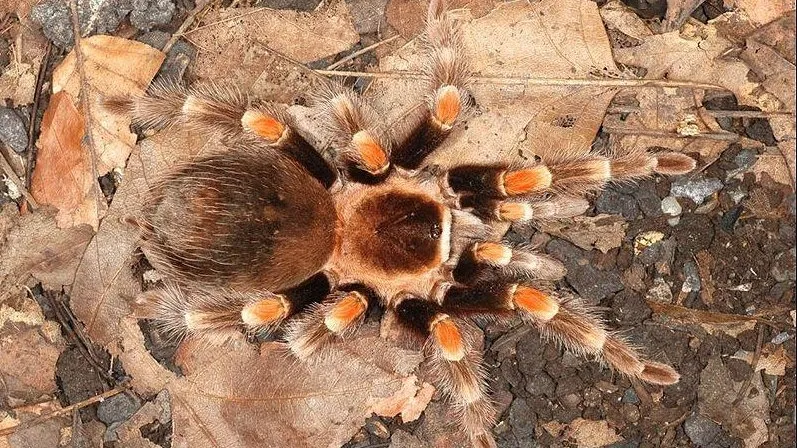
What is the Texas Tarantula?
The Texas tarantula (Aphonopelma anax) is a large, hairy spider belonging to the Theraphosidae family. It is one of the most commonly encountered tarantula species in the state of Texas, and a fascinating creature for both arachnid enthusiasts and casual observers. These spiders are not only impressive in size, with leg spans that can reach up to five inches, but also play a crucial role in the ecosystem. Their presence indicates a healthy environment, where they contribute to the control of insect populations. Despite their imposing appearance, they are generally docile and tend to avoid confrontation, making them an interesting subject to study and observe in their natural habitat. Knowing more about these creatures helps appreciate them and understand their importance in the Texan ecosystem. This guide dives deeper into the world of the Texas tarantula, exploring their characteristics, behavior, and the role they play in the wild.
Identifying the Texas Tarantula
Identifying a Texas tarantula is relatively straightforward if you know what to look for. The most common species, Aphonopelma anax, exhibits distinctive features that distinguish it from other spiders. Begin by observing its size and overall appearance. Texas tarantulas are large, with females typically being larger than males. Their bodies are covered in dense, dark brown to black hairs, which gives them a fuzzy appearance. They have eight legs and eight eyes arranged in a specific pattern on their cephalothorax (the combined head and chest). The chelicerae, or mouthparts, are strong and used for capturing prey. To confirm the identification, consider the time of year and location. Texas tarantulas are most active during the late summer and early fall, especially the males as they search for mates. If you are in Texas, the chances are high you are looking at a Texas tarantula.
Physical Characteristics

Texas tarantulas boast several distinctive physical characteristics. The most noticeable feature is their size; females can have a leg span reaching up to five inches. Their bodies are covered in a dense coat of hairs, which varies in color from dark brown to black. This hairy covering is not just for appearance but also serves as a defense mechanism. These hairs, when agitated, can be flicked off as a form of irritation against predators, which makes them a challenge to predators. The tarantula’s eight legs are strong and sturdy, designed for both walking and burrowing. They have two body segments, the cephalothorax and the abdomen. The cephalothorax houses the eyes and mouthparts (chelicerae), while the abdomen contains the internal organs. The eyes are simple and arranged in a pattern, allowing the tarantula to detect movement effectively. These physical traits together help the Texas tarantula survive in its environment.
Habitat and Distribution of Texas Tarantulas
The Texas tarantula has a wide distribution across the state of Texas, favoring specific habitats where they can thrive. They are commonly found in grasslands, prairies, and open woodlands. These environments provide suitable conditions for burrowing, which is a key behavior for these spiders. Their distribution ranges from the central parts of the state to the drier western regions. They are particularly abundant in areas with well-drained soil, as they prefer to create their burrows in the ground. You can often find them near rock formations or under logs and other debris, offering protection from the sun and predators. While Texas tarantulas are adaptable, their distribution depends on the presence of these specific habitat elements. Understanding their preferred environment is crucial for anyone interested in observing them in their natural settings.
Where to Find Texas Tarantulas
Locating Texas tarantulas involves knowing the best places to look and the right time of year. The best time to spot these spiders is during the late summer and early fall, particularly after a rain. This is when the males are most active, searching for mates, making them more likely to be seen above ground. Look for them in grasslands, prairies, and open woodlands. Pay attention to areas with well-drained soil, as they often create their burrows there. You might spot them near rock formations, or under logs. During the mating season, males are known to wander, increasing the chance of an encounter, but keep in mind that they can move quickly. Observing them requires patience and a bit of luck. If you respect their space and keep a safe distance, you may be fortunate enough to witness these fascinating creatures in their natural habitat. Remember, it’s illegal to collect them without the proper permits, so observe and enjoy them from a distance.
Behavior and Lifestyle

The Texas tarantula exhibits a range of behaviors that are essential for their survival. They are primarily nocturnal, which means they are most active during the night and dusk, avoiding the heat of the day. This also helps them avoid predators. They spend most of their lives in burrows, which they dig themselves or occupy abandoned rodent burrows. These burrows provide shelter and protection from extreme weather conditions. The tarantula is an ambush predator, waiting patiently at the entrance of its burrow for prey to come close. During the mating season, male tarantulas leave their burrows and actively search for females, a behavior that makes them more visible. They follow pheromone trails left by the females and are willing to travel long distances. The females, on the other hand, are more sedentary, remaining in their burrows except during mating season or when seeking out prey. Their behavior demonstrates a complex and well-adapted lifestyle.
Diet and Feeding Habits
Texas tarantulas are carnivores, and their diet consists mainly of insects and other invertebrates. They are opportunistic hunters, meaning they will eat whatever prey they can capture. Their hunting strategy involves waiting in or near their burrows until a suitable meal comes within reach. They then ambush their prey, using their strong chelicerae to inject venom. The venom paralyzes the prey, and the tarantula then begins to feed. They will consume the soft tissues of their prey, leaving the exoskeleton behind. Young tarantulas feed on smaller insects like ants and crickets, while adults may consume larger prey, including grasshoppers and even small vertebrates, if the opportunity arises. They don’t need to eat frequently; they can go for weeks or even months without feeding, especially when food is scarce. Their feeding habits play a vital role in their ecosystem.
Common Prey
The Texas tarantula’s diet includes various insects and other small animals, with the specific prey depending on the tarantula’s size and the availability in its environment. Common prey items include crickets, grasshoppers, beetles, and caterpillars. Smaller tarantulas tend to feed on ants and other tiny insects. As they grow, they target larger meals. Occasionally, they may also consume other spiders, or even small vertebrates, such as lizards or small mice, if they can catch them. The tarantula’s ambush hunting style and strong chelicerae make them effective predators. The availability of prey varies with the season, affecting their feeding habits. The balance of their diet and the surrounding environment helps control the local insect populations.
Predators and Defense Mechanisms

Despite their large size, Texas tarantulas have natural predators and possess several defense mechanisms to protect themselves. The main predators include birds of prey, such as hawks and owls, as well as larger mammals like coyotes and foxes. They are also vulnerable to certain reptiles, such as snakes, especially when they are molting or vulnerable. To defend against predators, Texas tarantulas rely on a combination of behaviors and physical attributes. The first line of defense is usually to flee and retreat into their burrow. They also have urticating hairs on their abdomen that they can flick at attackers. These hairs cause intense irritation. They also have strong chelicerae that they can use to bite if threatened, though they rarely bite humans. Understanding their predators and defenses highlights the complexities of their survival in the wild.
Conservation Status and Threats
The Texas tarantula is not currently listed as an endangered species, but it faces several threats. Habitat loss is one of the most significant challenges, due to urbanization, agricultural expansion, and habitat fragmentation. As their natural habitats are destroyed, the tarantula’s living space shrinks, affecting their population. Another threat is the use of pesticides and herbicides, which can reduce the availability of their prey, indirectly affecting their survival. While the pet trade is another concern, it is more controlled than in many other tarantula species. Climate change and extreme weather events may also pose a threat, by disrupting their habitats and affecting the availability of food and water. Conservation efforts focusing on habitat preservation and raising public awareness can help to protect these spiders and ensure their survival for generations to come.
How to Help Protect Texas Tarantulas
Protecting Texas tarantulas requires a multifaceted approach. Supporting habitat conservation efforts is essential. This includes advocating for the preservation of natural areas, such as grasslands and woodlands, and supporting responsible land management practices. Educating yourself and others about the importance of these spiders and their role in the ecosystem is another step. Avoid using pesticides and herbicides in your yard, as they can harm the tarantula’s prey. If you come across a Texas tarantula in the wild, observe it from a distance and do not disturb it. If you are a pet owner, make sure you only obtain tarantulas from reputable sources. By being informed, promoting responsible environmental practices, and supporting conservation efforts, we can all play a part in ensuring the survival of Texas tarantulas.
Conclusion

The Texas tarantula is a fascinating creature that plays a crucial role in the Texas ecosystem. From their physical characteristics to their hunting strategies, these spiders have adapted uniquely to their environment. They are not only impressive in size and appearance but also important for controlling insect populations and indicating a healthy habitat. By understanding their behaviors, habitats, and the threats they face, we can better appreciate and protect these often-misunderstood arachnids. Supporting conservation efforts, educating ourselves, and promoting responsible practices helps to preserve the Texas tarantula and ensure future generations can encounter these remarkable creatures.