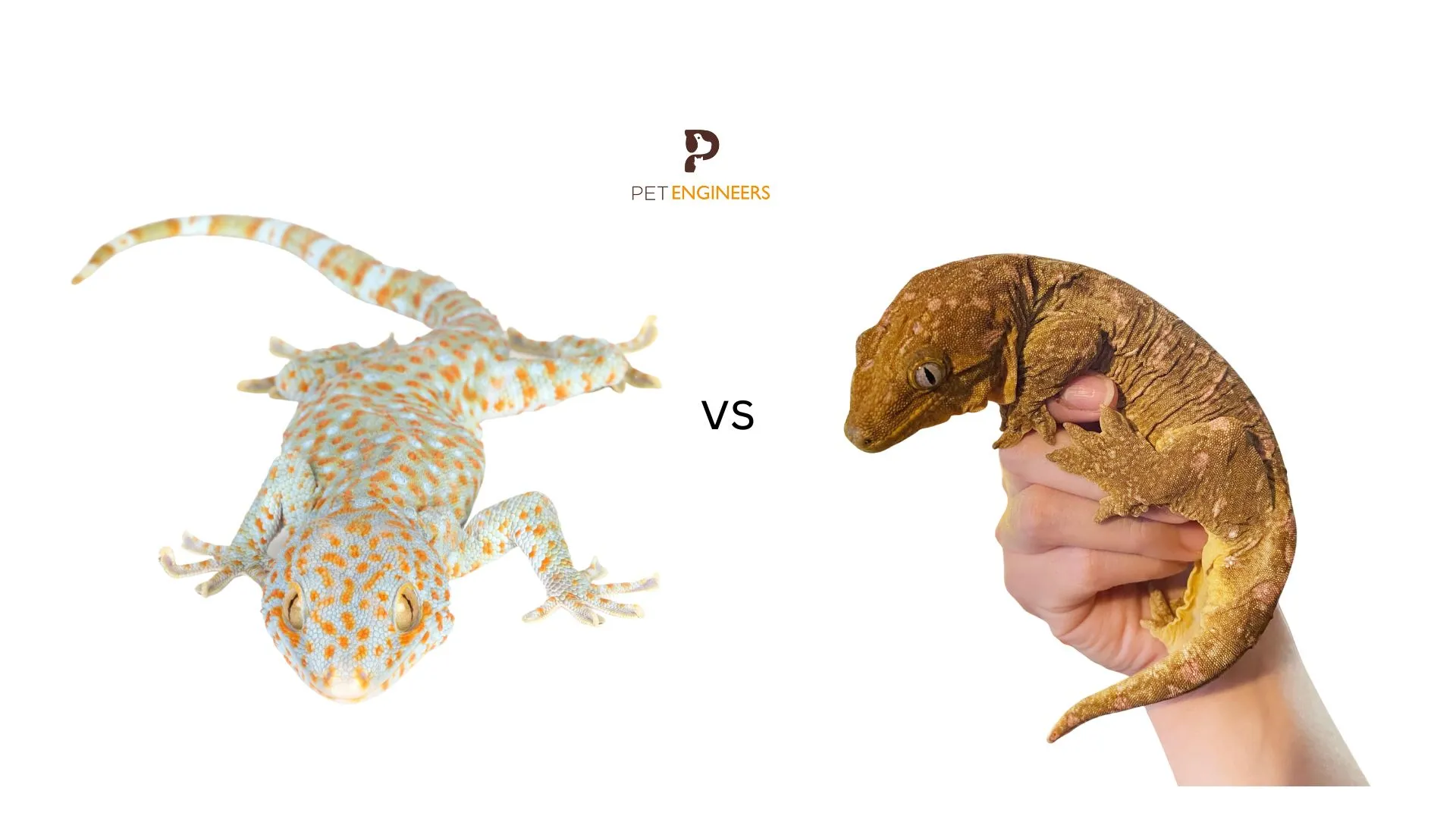
Tokay Gecko vs Tarantula: Introduction
The animal kingdom is full of fascinating creatures, each with unique adaptations and survival strategies. Among the most captivating are the Tokay gecko, a vibrant reptile, and the tarantula, a large and imposing arachnid. This article delves into an exciting comparison of these two formidable predators, exploring their characteristics, behaviors, and, ultimately, who would emerge victorious in a head-to-head battle. The Tokay gecko, known for its striking coloration and powerful bite, and the tarantula, famous for its size and venomous fangs, represent two different approaches to predation. Analyzing their strengths and weaknesses will provide a thrilling insight into the dynamics of the wild.
Tokay Gecko: The Powerful Predator
The Tokay gecko (Gekko gecko) is a nocturnal arboreal gecko native to Southeast Asia. Known for its loud, territorial call that sounds like “to-kay,” this reptile is a sight to behold with its vibrant colors and distinctive markings. Its robust build and powerful jaws contribute to its reputation as a successful predator. Tokay geckos are not only visually striking but also possess remarkable physical attributes that aid in their survival. Their specialized toe pads enable them to cling to vertical surfaces, and their strong bite makes them a formidable opponent in the wild. The Tokay gecko’s adaptability and aggressive nature make it a dominant presence in its habitat, leading to its success.
Appearance and Characteristics of Tokay Gecko

Tokay geckos are easily recognizable due to their striking appearance. They typically range from 7 to 14 inches in length, with males generally larger than females. Their skin is covered in small tubercles, and their coloration is highly variable, ranging from gray to blue to bright orange, often with spots or stripes. The vibrant colors serve as camouflage, allowing them to blend into their surroundings. They have large eyes with vertical pupils, enhancing their night vision. The toes of the Tokay gecko are equipped with lamellae, specialized structures that allow them to cling to surfaces with ease, enabling them to navigate vertical and upside-down surfaces, which gives them a distinct advantage when hunting for prey or escaping predators.
Habitat and Behavior of Tokay Gecko
Tokay geckos are primarily found in the tropical rainforests of Southeast Asia, as well as in parts of India and the Philippines. They are well-adapted to living in trees and other elevated locations, utilizing their climbing abilities to their advantage. The Tokay gecko is a nocturnal creature, spending its days hiding in crevices, under bark, or within the foliage. As the sun sets, they emerge to hunt, displaying their territorial nature through their loud calls, which also serve to attract mates. These geckos are solitary animals, with males fiercely defending their territories from intruders. They are known for their aggressive behavior, and the bite of a Tokay gecko can be quite painful.
Diet and Hunting Strategies of Tokay Gecko
The Tokay gecko is an opportunistic carnivore with a varied diet. Their diet consists primarily of insects, such as crickets, moths, and cockroaches, but they are not limited to small prey. They are known to consume larger insects, small lizards, and even young rodents. Tokay geckos are ambush predators, patiently waiting for their prey to come within striking distance. They use their powerful jaws to secure their target, delivering a bite that can be difficult to release. Their hunting strategy involves a combination of stealth, speed, and strength, making them effective hunters in their environment. The Tokay gecko’s hunting prowess contributes to its position as a top predator in its ecosystem.
Tarantula: The Fearsome Arthropod

Tarantulas are large, hairy spiders belonging to the Theraphosidae family. These impressive arachnids are found in various habitats worldwide, from the deserts of the Americas to the rainforests of Asia. They are renowned for their size, often exceeding a foot in leg span, and their impressive hunting abilities. Tarantulas are not only fearsome in appearance but also possess unique adaptations that enable them to survive in diverse environments. Their venom, although typically not life-threatening to humans, serves as a potent weapon against their prey. The tarantula’s patient hunting style and ability to overcome larger animals make it a formidable predator in its own right.
Appearance and Characteristics of Tarantula
Tarantulas are easily identified by their large size, hairy bodies, and eight long legs. Their coloration varies widely depending on the species and habitat, ranging from brown and black to vibrant shades of blue, orange, or red. They have two main body segments, the cephalothorax (fused head and thorax) and the abdomen. The cephalothorax houses the spider’s eyes, mouthparts, and legs, while the abdomen contains vital organs like the heart and digestive system. Tarantulas are equipped with chelicerae, which are the mouthparts that contain fangs used to inject venom into their prey. They also possess spinnerets, located at the end of the abdomen, which produce silk used to create webs, burrows, and egg sacs.
Habitat and Behavior of Tarantula
Tarantulas inhabit a variety of environments, including grasslands, deserts, and rainforests. Some species live in burrows, which they dig themselves, while others build webs or utilize natural shelters. Tarantulas are typically nocturnal, spending the day in their retreats and emerging at night to hunt. They are generally solitary creatures, with the exception of mating periods. Tarantulas have varying temperaments, but they generally prefer to avoid confrontation. However, they can become defensive when threatened, exhibiting behaviors such as rearing up, exposing their fangs, and flicking urticating hairs, which can cause irritation to potential predators or humans.
Diet and Hunting Strategies of Tarantula

Tarantulas are primarily carnivores, feeding on a variety of prey, including insects, other arachnids, small lizards, and even small mammals. Their hunting strategy varies depending on the species. Some tarantulas are ambush predators, waiting patiently for prey to come within range, while others actively hunt. They use their venom to subdue their prey, injecting it through their fangs. The venom paralyzes the prey, allowing the tarantula to feed. Tarantulas have strong chelicerae, which they use to crush their prey and consume the soft tissues. They are efficient hunters, playing an important role in controlling populations of insects and other small animals.
Tokay Gecko vs Tarantula: Head-to-Head
The encounter between a Tokay gecko and a tarantula would be a battle of contrasting strategies and physical attributes. The Tokay gecko relies on speed, agility, and a powerful bite, while the tarantula depends on its size, venom, and defensive behaviors. Analyzing their individual strengths and weaknesses is crucial to predict the outcome of such a confrontation. Several factors would determine the victor. The environment in which they meet, the specific species of tarantula, and the size of both combatants would all influence the fight’s outcome. Determining the victor is a complex task that involves carefully considering each species’ advantages.
Size and Strength Comparison
Tarantulas generally have the advantage in size, with some species reaching impressive leg spans. A large tarantula could easily outweigh a Tokay gecko. Size often translates to strength. Therefore, the tarantula may possess greater overall physical power. However, Tokay geckos have incredibly strong bites relative to their size. A Tokay gecko’s bite force can be remarkably powerful, potentially causing serious damage to its opponent. While the tarantula may have greater bulk, the gecko’s bite could inflict a critical injury.
Offensive Capabilities Comparison

The Tokay gecko’s offensive capabilities are centered around its powerful bite and agility. The gecko can quickly attack its prey, attempting to secure a hold with its jaws. The tarantula’s primary offensive weapon is its venom, delivered through its fangs. The venom can quickly paralyze or kill its prey. Additionally, the tarantula’s size allows it to overpower smaller animals. The tarantula may also deploy urticating hairs as a defensive and offensive mechanism, which can cause irritation to the gecko. Therefore, the tarantula possesses multiple offensive strategies.
Defensive Capabilities Comparison
The Tokay gecko relies on its agility and camouflage for defense. It can quickly evade attacks by climbing or hiding in crevices. The gecko’s ability to detach its tail (autotomy) is another defense mechanism. If grabbed, the gecko can shed its tail, distracting the predator and allowing it to escape. Tarantulas have a range of defensive strategies. Their large size and hairy bodies can deter potential predators. They can also flick urticating hairs to irritate attackers. They can also bite, and their fangs can deliver a painful wound. Furthermore, their burrows provide secure retreats, protecting them from danger. The defensive abilities of both species make them tough adversaries.
The Verdict: Who Wins?
Predicting a definitive winner in a Tokay gecko vs. tarantula battle is challenging, as the outcome would depend heavily on various factors. However, based on the general strengths and weaknesses of each species, the tarantula likely has the edge. Its larger size, venomous bite, and diverse defensive mechanisms give it a significant advantage. The Tokay gecko’s powerful bite could inflict harm, but the tarantula’s defenses, combined with its potential to overpower the gecko, make it the more likely victor. A larger, more aggressive tarantula would likely overwhelm a Tokay gecko in most scenarios. However, the specific circumstances of the encounter would significantly influence the outcome, and a smaller tarantula facing a particularly strong and aggressive gecko could still find itself in a losing position. This hypothetical battle highlights the fascinating complexities of predator-prey interactions in the natural world.
Conclusion

The Tokay gecko and the tarantula are both remarkable predators, showcasing unique adaptations and survival strategies. The Tokay gecko’s strength and speed are a force to be reckoned with, while the tarantula’s size, venom, and diverse defenses make it a formidable opponent. While the outcome of a direct confrontation is not guaranteed, the tarantula is generally favored due to its size and array of defenses. Ultimately, the clash between these two creatures highlights the diversity and complexity of the animal kingdom, where survival is a constant test of strength, adaptability, and strategy. Understanding the dynamics of predator-prey relationships provides insight into the intricate balance of nature, and the Tokay gecko vs. tarantula battle is a microcosm of this larger story.