What are Tarantulas
Tarantulas, captivating arachnids, belong to the Theraphosidae family, recognized by their hairy bodies and impressive size. These creatures, often misunderstood, are gaining popularity as exotic pets in the UK. Their diverse appearances and intriguing behaviors make them a fascinating subject for enthusiasts. Unlike many other spiders, tarantulas are generally docile and less prone to biting, which contributes to their appeal as pets. These fascinating creatures are known for their size, with some species having leg spans exceeding 10 inches. Their imposing appearance and relatively low maintenance make them an attractive option for those seeking unique companions. Owning a tarantula in the UK also means adhering to certain guidelines, primarily concerning responsible pet ownership and welfare. Understanding these aspects is crucial for prospective owners.
Size and Appearance
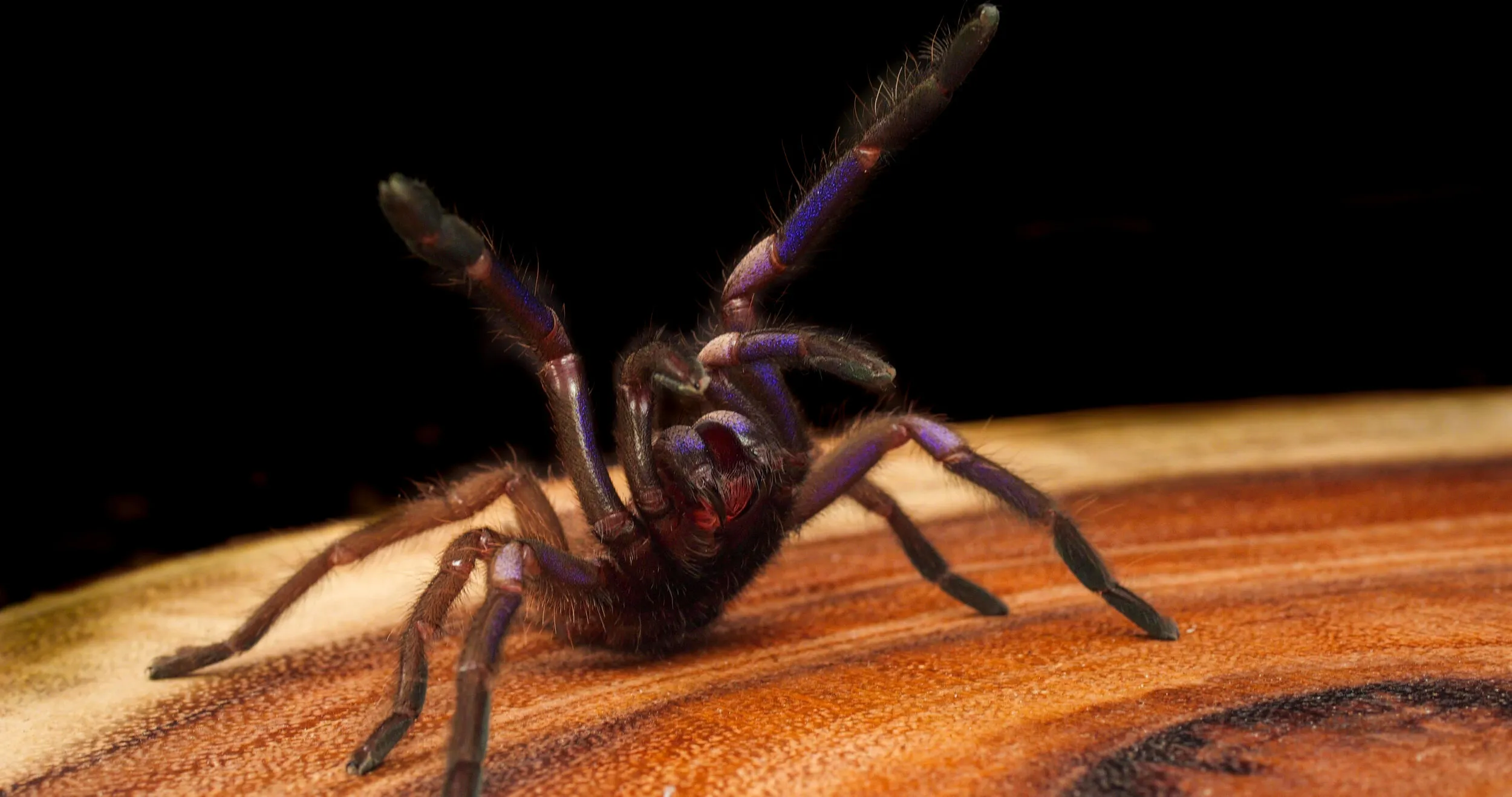
Tarantulas vary greatly in size, depending on the species. Some, like the Goliath Birdeater, are among the largest spiders in the world, with leg spans that can exceed 10 inches. Others, like certain dwarf species, are much smaller, measuring only a few inches across. Their bodies are covered in fine hairs, which provide sensory information and, in some cases, can be urticating, causing irritation upon contact. Coloration also varies widely, with species displaying an array of hues, from earthy browns and blacks to vibrant blues, oranges, and reds. The overall appearance of a tarantula, from its size to its coloration, is a significant factor in its appeal to pet owners. The diversity in size and appearance allows prospective owners to choose a tarantula that best suits their preferences and living situation. Considering the size and appearance is not only about aesthetics but also about understanding the space and care requirements of the chosen species.
Exotic Look

The exotic look of tarantulas often includes a combination of striking colors and a hairy exterior, making them visually distinct from more common pets. Their unique appearance, often featuring patterns and vibrant coloration, is a significant draw for those interested in exotic animals. The coloration can vary widely between species and even within the same species, offering a range of options for potential owners. Their size, coupled with their hairy bodies, gives them an imposing yet fascinating presence. The exotic appearance of tarantulas contributes significantly to their popularity in the UK, attracting individuals looking for pets that are both visually interesting and different from traditional choices. The distinctive look often sparks conversations and provides a unique talking point for owners.
Where Tarantulas Live
Tarantulas are found in various habitats worldwide, primarily in tropical and subtropical regions. Their natural habitats range from rainforests and grasslands to deserts and mountainous areas. The specific habitat of a tarantula species dictates its behavior and care requirements. As pets, they need to be housed in enclosures that mimic their natural environment. Understanding where tarantulas live naturally is crucial for providing appropriate care. The differences in habitats also explain the variety in their appearances, behaviors, and preferences. The diversity in their natural habitats contributes to the wide range of tarantula species available in the UK, each with unique requirements.
Natural Habitat
The natural habitat of tarantulas plays a critical role in their survival and behavior. Terrestrial tarantulas, for example, live on the ground, often burrowing or creating webs for shelter. Arboreal species, on the other hand, live in trees, using their strong claws to climb. These habitats provide the tarantulas with food, shelter, and protection from predators. The humidity, temperature, and substrate of their natural habitats are key factors in their well-being. Replicating their natural environment in captivity is essential for their health and longevity. Mimicking the natural habitat in a terrarium can make the tarantula feel more at home and thrive.
Types of Tarantulas

There are hundreds of tarantula species, each with unique characteristics. They are broadly classified based on their behavior and where they live. These include terrestrial, arboreal, and fossorial tarantulas. Terrestrial tarantulas live on the ground, while arboreal species live in trees. Fossorial tarantulas are burrowing spiders that spend most of their time underground. The diversity of tarantula species means that there is a tarantula to suit a range of preferences. Learning about the different types helps potential owners choose the right species for their experience level and lifestyle. Each type of tarantula has different needs when it comes to housing and care.
Popular UK Tarantula Species
Several tarantula species are popular choices for pet owners in the UK. The Chilean Rose Hair tarantula (Grammostola rosea) is often recommended for beginners due to its docile nature and relatively low maintenance. The Brazilian Black tarantula (Grammostola pulchra) is another popular choice, known for its striking appearance and calm temperament. Other popular species include the Mexican Red Knee (Brachypelma hamorii) and the Pinktoe tarantula (Avicularia avicularia). These species are generally available in UK shops and are known for their adaptability and relatively easy care requirements. The popularity of these tarantulas is also due to the availability of information and resources for their care.
Tarantula Behaviour
Tarantula behavior varies greatly depending on the species. Some tarantulas are docile and slow-moving, while others can be more defensive and quick to react. Their behavior is influenced by factors like their environment, age, and whether they are in a molting phase. Some species are more prone to hiding, while others are more active and like to explore their enclosures. Understanding the behavior of tarantulas is key to responsible pet ownership. Learning to read their body language and understanding their needs is essential for creating a safe and comfortable environment. It also helps in handling the tarantula and knowing when to avoid interaction.
Diet and Feeding Habits

Tarantulas are carnivorous and primarily eat insects. In the wild, they feed on a variety of prey, including crickets, mealworms, and other invertebrates. In captivity, their diet typically consists of commercially available feeder insects. The frequency of feeding depends on the tarantula’s age, size, and species. Younger tarantulas need to be fed more often than adults. It is important to provide a varied diet to ensure they receive all the necessary nutrients. The size of the prey should be appropriate for the size of the tarantula. Overfeeding can lead to health problems, so it is essential to feed them the right amount. Clean water should always be available for tarantulas to drink.
How to Feed Your Tarantula
Feeding tarantulas involves selecting the right prey, like crickets or roaches, and placing them into the tarantula’s enclosure. It’s essential to remove any uneaten prey within 24 hours to prevent stress for the tarantula. Feeding frequency varies based on the tarantula’s age and species. Always offer fresh, clean water in a shallow dish. Observe your tarantula’s feeding habits to adjust accordingly. Avoid handling your tarantula immediately after feeding. The correct feeding practices contribute significantly to the well-being and health of your tarantula. Make sure all the feeder insects are gut-loaded for added nutritional value.
Tarantula Lifespan
Tarantula lifespan varies greatly depending on the species and sex. Female tarantulas typically live much longer than males. Some female species can live for over 20 years, while males often only live for a few years after reaching maturity. Factors like diet, environmental conditions, and overall care can also influence their lifespan. Understanding the lifespan of different tarantula species helps owners plan for the long-term care and commitment involved in owning one. Providing proper care, including a suitable habitat and a balanced diet, can contribute to a longer and healthier life for your tarantula.
Female vs Male

One of the key differences between male and female tarantulas is their lifespan. Females generally live much longer than males, often 15 to 20 years or more, while males may only live for a few years after they reach maturity. This difference in lifespan is a significant factor when considering tarantula ownership. Males also tend to be smaller and less colorful than females in some species. In addition, the behavior of males often changes after they reach sexual maturity; they become more active as they seek a mate. The difference in lifespan and behavior between male and female tarantulas has implications on the commitment you are making.
Tarantula Care
Caring for a tarantula involves providing the right habitat, diet, and environmental conditions. This includes a suitable enclosure with the right substrate, temperature, and humidity. Maintaining proper hygiene in their enclosure is crucial to prevent health issues. Regular cleaning and water changes are important. Understanding their needs and providing the right care contributes to their health and well-being. Researching the specific needs of your tarantula species is essential. Different tarantula species have varying needs for their environment.
Tarantula UK Shop
When looking for a tarantula in the UK, a reputable shop is essential. A good UK tarantula shop should offer a variety of species, healthy specimens, and knowledgeable staff. They should be able to provide advice on care and habitat requirements. Checking reviews and ensuring the shop complies with animal welfare standards is important. Consider visiting the shop in person or checking their online presence. Reputable shops will often have a good reputation in the community. The best UK tarantula shop will make sure the tarantulas are healthy and well-cared for.
Best Shops to Buy Tarantulas

Finding the best shop to buy tarantulas involves research and due diligence. Consider shops that specialize in exotic pets and have experienced staff. Look for shops that prioritize the health and well-being of their animals. Check online reviews and ask for recommendations from other tarantula owners. Make sure the shop complies with the relevant legal requirements. A good shop will be able to answer your questions and provide advice on tarantula care. Visiting different shops can also give you a good idea of what is available and the level of care provided. Consider the shop’s commitment to animal welfare and their understanding of tarantula-specific needs.
Legal Requirements
In the UK, there are legal requirements for owning exotic pets, including tarantulas. You should make sure that you are aware of these requirements before acquiring a tarantula. The shop should be able to provide information on any permits or licenses you may need. You should also be aware of the regulations regarding animal welfare and transport. Ensuring you meet all legal requirements is crucial to responsible pet ownership. Staying informed about these requirements also ensures that you are not violating any local laws or regulations. Contacting your local authorities can help you learn more about these regulations.