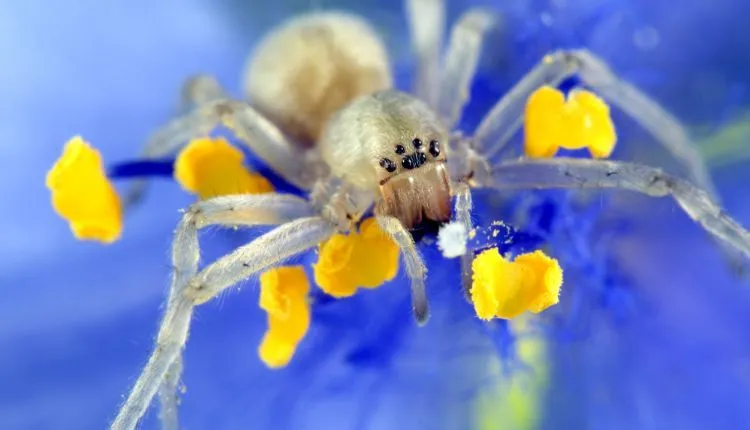
The Allure of Utah Tarantula Spiders
Utah tarantula spiders, despite their intimidating appearance, are fascinating creatures that spark curiosity and, for some, a bit of fear. These large, hairy spiders are a unique part of Utah’s diverse ecosystem, captivating both nature enthusiasts and arachnophobes alike. Their presence adds a layer of intrigue to the state’s already stunning landscapes, from the red rock deserts to the high mountain areas. Understanding these spiders involves more than just knowing their name; it means delving into their world, appreciating their role in the environment, and learning about the surprising facts that make them so intriguing. This article uncovers five shocking facts about Utah tarantula spiders, offering a glimpse into their lives and the environment they inhabit. Prepare to be amazed by the hidden lives of these incredible arachnids.
Fact 1: Size and Appearance
One of the most striking features of Utah tarantula spiders is their size. These spiders can have a leg span of up to five inches, making them quite noticeable and often the first thing people notice. Their bodies are covered in dense, brown hairs, which not only provide them with a unique texture but also serve a functional purpose – sensory perception. These hairs help them detect vibrations and changes in air currents, aiding in hunting and avoiding predators. The spiders’ coloration tends to blend with their surroundings, ranging from shades of brown to gray, allowing them to camouflage effectively in the desert environment. Their formidable size and hairy appearance contribute to their iconic, albeit sometimes frightening, reputation. Their fangs, although venomous, are primarily used for subduing prey rather than posing a significant threat to humans.
Detailed Description

A closer look reveals intricate details. The body is divided into two main parts cephalothorax and abdomen. The cephalothorax houses the spider’s eyes, mouthparts, and legs. The abdomen is where the internal organs are located. The eight legs are sturdy and covered in hairs, which are crucial for movement and sensing the environment. Their eyes are simple, enabling them to detect light and movement. The chelicerae, or fangs, are strong and can deliver venom to subdue prey. The spinnerets, located at the end of the abdomen, produce silk used for creating webs, lining burrows, and laying eggs. The overall appearance showcases a blend of functionality and adaptation, perfectly suited to the harsh conditions of their natural habitat. This detailed description highlights the remarkable adaptations of these creatures, making them well-equipped for survival in their environment.
Fact 2: Habitat and Distribution
Utah tarantula spiders are predominantly found in the southern parts of Utah, thriving in the warmer, drier climates. They make their homes in burrows, often constructed in the soil of the desert and arid landscapes. The availability of suitable habitats, like sandy or loamy soil, is crucial for their survival. They are not typically found in the more mountainous regions of the state, preferring the open spaces and milder temperatures of the desert. This geographic distribution is a key factor in their survival and lifestyle. Understanding their habitat gives insights into their behavior, from hunting strategies to shelter preferences. They are a vital part of the ecosystem of the desert, helping to control insect populations and serving as a food source for other animals.
Preferred Environments
Utah tarantula spiders favor environments that provide both shelter and ample food sources. Their burrows are carefully crafted to offer protection from the sun, predators, and extreme weather. They choose locations where the soil is easily diggable, such as areas with sandy or loamy composition. The presence of these burrows indicates a healthy spider population and a balanced ecosystem. Proximity to potential prey, such as insects and small reptiles, is also a key consideration. The spiders often stay close to areas where these food sources are abundant. The microclimates within these burrows help regulate their body temperature, keeping them comfortable during hot desert days and cooler nights. This habitat preference is essential for their survival, offering both protection and the resources needed to thrive. The presence of these spiders tells us a lot about the health and balance of their environment.
Fact 3: Venom and Danger

While Utah tarantula spiders are venomous, their venom isn’t considered highly dangerous to humans. Their fangs are primarily used to subdue their prey, injecting venom that paralyzes or kills insects and small animals. The bite from a tarantula is often compared to a bee sting, causing localized pain, swelling, and redness at the site of the bite. In some cases, there might be mild systemic symptoms, such as muscle cramps or nausea. However, serious reactions are rare. Their bite is more of a threat to those with allergies or sensitivities to insect venom. These spiders are generally docile and will only bite if provoked or feel threatened. Handling them is not advisable, but if you maintain a safe distance, the likelihood of being bitten is minimal.
Severity of Bites
The severity of a tarantula bite varies depending on the individual. Most bites result in minor symptoms that resolve within a few days. The initial pain is often followed by swelling and redness, which can be managed with over-the-counter pain relievers and topical treatments. However, it’s always important to monitor any bite for signs of infection, such as increasing pain, pus, or fever. In rare cases, those with allergies to insect venom might experience more severe reactions, requiring medical attention. This is similar to an allergic reaction to a bee sting. Children and the elderly may also be more susceptible to complications. Therefore, if bitten by a tarantula, it’s important to clean the wound thoroughly, apply a cold compress, and seek medical advice if the symptoms worsen. The reality is that tarantula bites are rarely life-threatening, yet it’s crucial to take all bites seriously.
Fact 4: Diet and Feeding Habits
Utah tarantula spiders are primarily carnivores, with a diet consisting mainly of insects, such as crickets, grasshoppers, and beetles. They are ambush predators, waiting patiently in or near their burrows for prey to come within striking distance. Their keen sense of vibration helps them detect the movement of potential meals. Once prey is close enough, the spider quickly pounces, injecting venom through its fangs to immobilize it. After subduing the prey, the spider uses digestive enzymes to liquefy the meal, then sucks up the nutrients. Their feeding habits play a vital role in controlling the insect population in their ecosystems. The spiders are opportunistic eaters, consuming whatever is available and manageable. Their diet is critical to their growth and survival in the harsh desert environment.
Prey Selection

The primary diet of Utah tarantula spiders consists of various insects and occasionally small reptiles or amphibians. They tend to target insects that are abundant in their habitat, such as crickets, grasshoppers, and other ground-dwelling insects. The size of their prey depends on the spider’s size, with larger tarantulas capable of taking down bigger meals. The spiders often choose prey that provides the most nutritional value with the least risk. They avoid dangerous insects or those that might fight back fiercely. When resources are scarce, they may resort to scavenging or even cannibalism. Their ability to adjust their diet based on the available resources ensures their survival in the arid conditions of their habitat. The prey selection of these spiders demonstrates their adaptability and their essential role in the ecological food web.
Fact 5: Lifespan and Behavior
Tarantulas have surprisingly long lifespans, with females often living much longer than males. Female Utah tarantula spiders can live for up to 25 years in the wild, while males typically live for only a few years. Their behavior varies throughout their lifecycle, with mating rituals being a significant aspect of their adult life. Males often leave their burrows in search of mates, traveling considerable distances and putting themselves at risk of predation. The spiders are mostly solitary, with the exception of mating season when females and males briefly interact. The female tarantulas lay eggs in a silken egg sac, which they fiercely guard until the spiderlings hatch. This long lifespan and unique behavior make them an exciting subject for study.
Mating and Reproduction
The mating season for Utah tarantula spiders usually occurs in the late summer or early fall. During this time, male tarantulas venture out in search of females. They locate them by following pheromone trails left by the females. When a male finds a female, he carefully approaches her, performing a mating dance or ritual. This dance helps to reassure the female and prevents her from mistaking him for prey. If the female is receptive, the male will mate with her, depositing sperm. The female will then use this sperm to fertilize her eggs. The eggs are laid in a silk egg sac, which the female diligently guards. The female spider protects the eggs and young spiderlings until they are ready to fend for themselves. After mating, the male often becomes a meal for the female, which is a stark reality in the spiders’ life cycle. Reproduction ensures the survival and continuation of the species within the ecosystem. The entire process of mating and reproduction is an impressive display of nature’s strategies for survival.