
What is Mexican Fireleg Tarantula Venom
The Mexican Fireleg Tarantula (Brachypelma boehmei) is a captivating species of tarantula, renowned for its striking orange and black coloration and relatively docile temperament, making it a popular choice among enthusiasts. But beyond its aesthetic appeal lies a potent defense mechanism a venomous bite. This venom, a complex mixture of proteins and enzymes, serves multiple purposes in the tarantula’s life, primarily for subduing prey and defending against threats. It’s crucial to understand that while the venom is not typically lethal to humans, it can cause considerable discomfort. The effects of the venom can vary depending on several factors, including the amount injected, the individual’s sensitivity, and the location of the bite.
How Mexican Fireleg Tarantulas Use Venom
Mexican Fireleg Tarantulas employ their venom in several crucial ways, primarily to secure their meals and to protect themselves from perceived dangers. When hunting, these tarantulas use their venom to quickly immobilize prey. They ambush insects, small rodents, or other invertebrates, injecting venom through their fangs. The venom works swiftly, paralyzing the prey, which then allows the tarantula to begin the process of digestion. The tarantula injects digestive enzymes alongside the venom, pre-digesting the prey’s internal organs, and making it easier for the tarantula to consume the resulting liquid nutrients. In self-defense, the tarantula will bite in response to a perceived threat, injecting venom to deter the aggressor.
The Composition of Mexican Fireleg Tarantula Venom
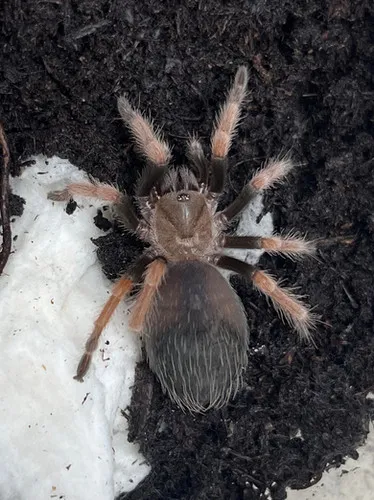
The venom of the Mexican Fireleg Tarantula is a complex mixture of various compounds, each playing a specific role in its effects. These compounds include a cocktail of enzymes, peptides, and proteins. These components work together to induce a range of effects, from localized pain and inflammation to more systemic reactions in some cases. While the exact composition can vary slightly between individuals, the primary components usually remain consistent. Research into tarantula venom is ongoing, and scientists are still working to fully understand the intricate mechanisms of its various components. This knowledge is not only important for understanding the tarantula itself but also for potentially developing new medicines based on the unique properties of its venom.
What are the Effects of the Venom
When a Mexican Fireleg Tarantula bites, the venom’s effects can manifest in a variety of ways, often depending on the individual and the amount of venom injected. Generally, the effects are not life-threatening to humans, but they can still be quite unpleasant. The effects can be split into two categories local reactions and systemic reactions. Local reactions are typically more common, involving symptoms near the bite site, while systemic reactions affect the whole body. The severity of these reactions can also vary based on individual sensitivity, with some people experiencing only mild discomfort, while others may have more pronounced symptoms.
Local Reaction Symptoms
Local reaction symptoms primarily affect the area around the bite. These symptoms often begin shortly after the bite occurs and can last for several hours or even days. Common local reactions include immediate pain at the bite site, often described as a sharp, stinging sensation. Redness and inflammation around the bite are also typical, as the body’s immune system responds to the venom. Itching and swelling may also occur, leading to further discomfort. Muscle cramps or spasms near the bite area are possible, and in some cases, there may be a small amount of bleeding. While these symptoms can be uncomfortable, they generally resolve on their own within a few days, with proper care and treatment.
Systemic Reaction Symptoms

Systemic reactions are less common but can occur in sensitive individuals or with larger venom doses. These symptoms affect the entire body, rather than just the bite area. They can range from mild to more severe, and it’s crucial to monitor for them. Possible systemic symptoms include nausea and vomiting, caused by the body’s reaction to the venom. Dizziness or lightheadedness may occur as the body attempts to cope with the effects. In rare cases, a headache may develop, along with muscle cramps or spasms throughout the body, rather than being localized to the bite site. Although extremely rare, some individuals may experience more severe reactions, like difficulty breathing or chest pain, requiring immediate medical attention.
Treatment for Mexican Fireleg Tarantula Bites
The treatment for a Mexican Fireleg Tarantula bite focuses on relieving symptoms and preventing complications. If bitten, it’s essential to remain calm and seek medical attention, especially if systemic symptoms develop. First, gently clean the bite area with mild soap and water to reduce the risk of infection. Apply a cold compress to the bite site to help reduce swelling and pain. Over-the-counter pain relievers, like ibuprofen or acetaminophen, can help manage pain. Antihistamines might reduce itching and swelling, especially if an allergic reaction is suspected. In more severe cases, a doctor may prescribe stronger pain relievers or anti-inflammatory medications. Always monitor the bite for signs of infection, such as increased redness, pus, or fever, and seek medical attention if these occur.
How to Reduce the Risk of Being Bitten
Preventing bites is the best strategy when dealing with Mexican Fireleg Tarantulas. If you own one or work with them, understanding their behavior and implementing safety measures is essential. Never handle a tarantula unless absolutely necessary, and even then, use extreme caution. Avoid any sudden movements near the tarantula, as these can be interpreted as a threat. Always supervise children around tarantulas and ensure they understand the importance of not touching the spider. Use appropriate tools, such as long tongs or forceps, when interacting with the tarantula during feeding or enclosure maintenance. Ensure the tarantula’s enclosure is secure, preventing escape, as an escaped tarantula can lead to stressful encounters and potential bites if mishandled.
Handling the Tarantula Safely

If you must handle a Mexican Fireleg Tarantula, do so with the utmost care and only when necessary. Wear appropriate protective gear, such as thick gloves, to minimize the risk of a bite. Approach the tarantula slowly and calmly, avoiding sudden movements that could startle it. Handle the tarantula over a soft surface, such as a bed or a container, to prevent injury if it falls. Avoid holding the tarantula for extended periods, as this can cause it stress. If the tarantula displays signs of aggression, such as rearing up or flicking hairs, immediately cease handling and allow it to retreat. After handling, wash your hands thoroughly with soap and water.
Safety Around the Enclosure
Ensuring safety around the tarantula’s enclosure is crucial for both the owner and any other individuals who may come into contact with the tarantula. Always keep the enclosure in a secure location, away from children and pets, to prevent accidental contact or tampering. Make sure the enclosure is properly sealed, with a secure lid or door to prevent the tarantula from escaping. Regularly inspect the enclosure for any potential escape routes, and address them immediately. Educate yourself and anyone else who interacts with the tarantula about the potential risks associated with a bite, and provide clear instructions on what to do in the event of one. Keep the enclosure clean, maintaining good hygiene to avoid attracting other pests that might pose a threat to the tarantula.