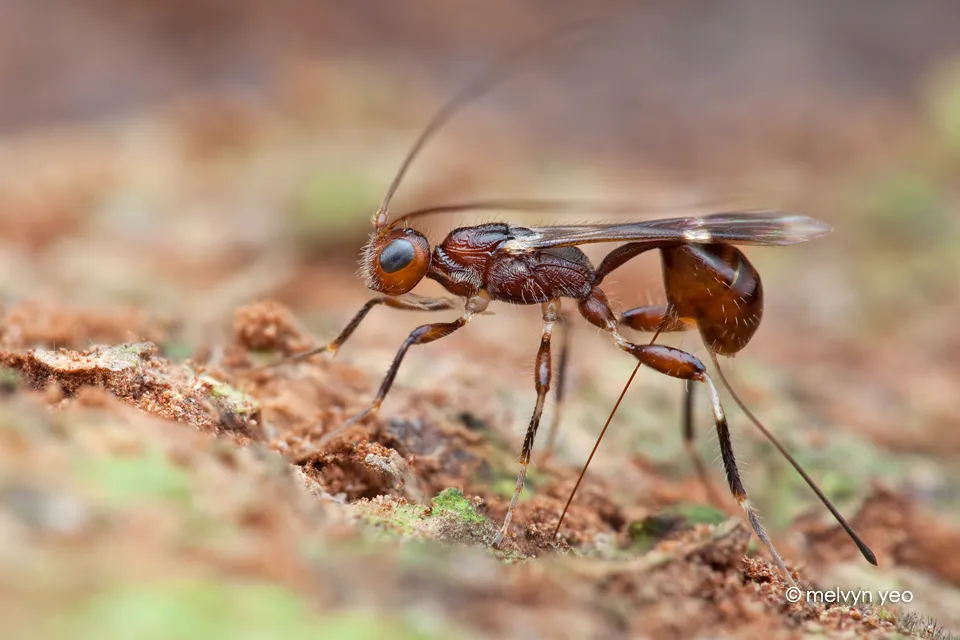
The Tarantula Hawk A Deadly Predator
The tarantula hawk, a formidable wasp, is a fascinating example of the intricate balance of nature, showcasing a remarkable predator-prey relationship. These wasps are renowned for their hunting prowess and their unique method of reproduction, involving the paralysis and use of tarantulas as hosts for their larvae. This article delves into the captivating world of the tarantula hawk, exploring its life cycle, behavior, and the ecological role it plays in its environment. Prepare to be amazed by the details of this insect, its place in the ecosystem, and its interactions with humans.
What is a Tarantula Hawk Wasp
The tarantula hawk is a species of the genus Pepsis, belonging to the family Pompilidae. These wasps are among the largest in the wasp family, with impressive sizes that can reach up to two inches in length. The tarantula hawk is recognized for its striking appearance, featuring a deep blue-black body and vibrant orange or rust-colored wings. This visual display is a warning to potential predators of the wasp’s potent sting. The tarantula hawk’s life revolves around a single purpose, hunting and paralyzing tarantulas to serve as hosts for their offspring. This behavior showcases a complex interplay of instinct and survival in the natural world.
Appearance and Identification

Identifying a tarantula hawk is relatively straightforward, thanks to its distinctive features. The combination of a dark, metallic blue or black body and bright orange wings is a clear indicator. The size of the wasp, typically between 1 to 2 inches, further assists in identification. When observing these wasps, one might notice their long legs and antennae, which are adapted for navigating the ground and searching for tarantula burrows. The contrast between the body and wings provides a visual alert, signifying a potent defense mechanism, and warns against potential threats. The coloration is not just aesthetic, it is a signal of their potent sting and sets them apart in their environment.
Habitat and Distribution
Tarantula hawks are primarily found in the southwestern United States, where they thrive in arid and semi-arid environments. Their range extends from the southwestern US into parts of Central and South America. These wasps prefer areas with a high population of tarantulas, which are essential for their life cycle. Habitats include deserts, grasslands, and scrublands. The specific distribution is influenced by the presence of their primary prey and suitable nesting sites. Understanding their habitat preferences is key to appreciating the ecological role they play. The tarantula hawk’s presence is often an indication of a healthy ecosystem. The picture is a good representation for the tarantula hawk habitat.
The Hunt The Tarantula Hawk’s Predatory Behavior
The tarantula hawk’s hunting process is a remarkable display of predatory skill. The female wasp, driven by instinct, seeks out tarantula burrows, patiently searching for her target. Once located, she engages in a dangerous but strategic encounter with the tarantula. The wasp uses its strong mandibles and legs to flip the tarantula onto its back and then delivers a paralyzing sting. This sting is aimed at a specific nerve ganglion in the tarantula’s nervous system, instantly immobilizing the spider. The process is quick, precise, and showcases the effectiveness of the wasp’s predatory skills. The hunt is a combination of agility and strategy, honed by evolution to secure the survival of the wasp’s offspring.
The Sting Why Is It So Painful

The sting of the tarantula hawk is legendary for its excruciating pain, ranked as one of the most painful insect stings in the world. The venom contains a neurotoxin that rapidly paralyzes the target, but unlike other venomous insects, it doesn’t cause immediate death. The wasp injects venom directly into the tarantula’s nervous system, causing an intense and lasting pain that incapacitates the spider. The pain from the sting is described as causing immediate and intense agony. This incapacitation allows the wasp to safely transport the tarantula. Despite the extreme pain, the sting is rarely fatal to humans, but the pain is enough to be a deterrent and a memorable experience for those unfortunate enough to be stung. This is an image of the tarantula hawk sting.
How the Wasp Paralyses the Tarantula
The tarantula hawk wasp’s ability to paralyze a tarantula is a marvel of natural adaptation and strategy. The wasp’s venom works by targeting the tarantula’s nervous system, specifically affecting the nerve ganglia. The wasp’s sting is highly precise, injecting venom into the ganglia. This precise targeting prevents the tarantula from moving, which is crucial for the wasp’s next step, which is to transport the paralyzed spider to a safe location. The paralyzed spider remains alive but is completely immobilized. The wasp knows exactly where to sting the tarantula. This process showcases the wasp’s mastery of its prey’s anatomy and nervous system. It’s an efficient and effective means of subduing the much larger spider.
Egg Laying The Wasp’s Reproductive Strategy
Once the tarantula is paralyzed, the female tarantula hawk drags it to a pre-prepared burrow or a suitable hiding place. The wasp then lays a single egg on the tarantula’s abdomen. This is the crucial step in the wasp’s reproduction cycle, ensuring the offspring has a ready food source. The egg is carefully positioned so that when the larva hatches, it can easily access the tarantula. The wasp’s behavior shows a high level of maternal care, ensuring the survival of its offspring. The egg-laying process is a remarkable example of precise placement and survival strategy. This picture illustrates a tarantula hawk egg.
The Larval Stage The Tarantula as a Host

After the egg hatches, the wasp larva begins to feed on the paralyzed tarantula. Initially, the larva feeds on the non-essential parts of the spider, ensuring that the tarantula remains alive as long as possible. This strategy maximizes the food supply for the developing larva. As the larva grows, it consumes more of the tarantula, eventually killing its host. The larva grows quickly, undergoing several molts before pupating. The tarantula serves as a living pantry for the larva, providing sustenance throughout its development. The tarantula is not dead but completely paralyzed. This picture is a representation of the larva stage.
Development and Metamorphosis
The tarantula hawk larva goes through several stages of development, feeding and growing within the tarantula’s body. Once the larva has consumed the entire tarantula, it spins a cocoon and enters the pupa stage. Inside the cocoon, the larva undergoes a complete metamorphosis. During this transformation, the larva restructures into an adult wasp, complete with wings, legs, and all the characteristics of its adult form. The pupa stage can last several weeks, depending on the environmental conditions. The development of the larva is a remarkable process. After metamorphosis, the adult wasp emerges from the cocoon and starts the cycle again.
Life Cycle of the Tarantula Hawk
The tarantula hawk’s life cycle is a fascinating example of complete metamorphosis. It begins with the egg stage, laid on the paralyzed tarantula. The larva hatches and feeds on the tarantula. The larva then transforms into a pupa within a cocoon. The pupa undergoes metamorphosis and transforms into an adult tarantula hawk. The entire cycle, from egg to adult, can take several weeks to months. The adult wasp then repeats the cycle, mating, hunting, and laying eggs on other tarantulas. Each stage of the life cycle is intricately linked to the other, with the tarantula acting as a central part of this predatory relationship. This picture shows the different life cycle stages.
Mating and Nesting Habits

The mating habits of tarantula hawks involve the males searching for females. The males are typically smaller than the females. The male tarantula hawks patrol their territories, looking for potential mates. After mating, the female begins the hunt for tarantulas, initiating the reproductive cycle. The nesting habits involve the females using existing burrows or creating their own, where they will store the paralyzed tarantula and lay their egg. The nesting habits of the tarantula hawk are essential for the survival of the species, with the nesting site protecting the developing larva from environmental dangers. They make their nests safe from other predators.
Conservation Status and Threats
Tarantula hawks are not currently listed as endangered or threatened. However, they face some threats from habitat loss and pesticide use. Habitat destruction, due to urbanization, agriculture, and climate change, can reduce the availability of both tarantulas and suitable nesting sites for the wasp. The use of pesticides can directly harm the wasps or indirectly affect their food supply by killing tarantulas. The conservation efforts should focus on habitat protection and reduce pesticide use to secure the future of this fascinating species. Monitoring populations and promoting the preservation of their natural environment are essential for the wasp’s survival.
Interactions with Humans
Humans primarily interact with tarantula hawks through accidental encounters, often during outdoor activities. While the sting is known for its intense pain, it is rarely life-threatening to humans. However, the pain can be debilitating, and medical attention may be needed. Understanding the behavior and habitat of tarantula hawks can help minimize encounters and avoid stings. These wasps do have a positive impact on human activities, primarily through their role in controlling tarantula populations, which can sometimes be a nuisance in urban areas. Public education and promoting awareness are crucial in coexisting peacefully with this fascinating predator. The picture displays a good example of human interaction.