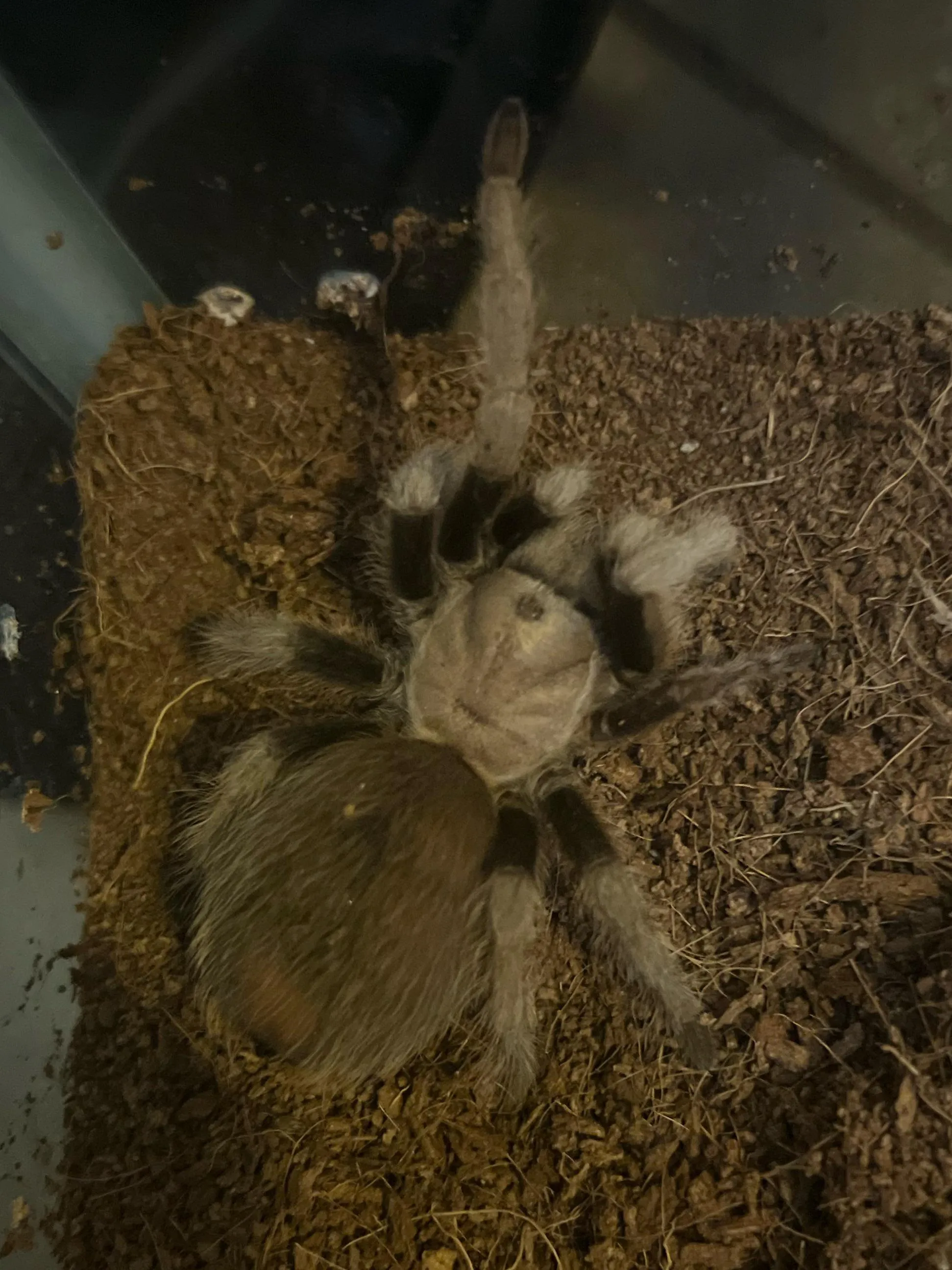
Why Tarantula Not Eating?
Owning a tarantula can be a fascinating experience. These eight-legged creatures are generally low-maintenance pets, but when your tarantula stops eating, it can be a cause for concern. Several factors can contribute to a tarantula’s loss of appetite, and understanding these reasons is crucial for ensuring your pet’s well-being. This guide delves into the top five reasons why your tarantula might not be eating, offering insights and solutions to help you address the issue effectively. Whether you’re a seasoned tarantula owner or a beginner, this information will equip you with the knowledge to care for your arachnid companion.
Molting
One of the most common reasons for a tarantula’s refusal to eat is molting. Molting is the process by which a tarantula sheds its exoskeleton to grow. During this time, the tarantula will typically stop eating, and may also become lethargic. The frequency of molting depends on the tarantula’s age and species, with younger tarantulas molting more frequently than adults. Recognizing the signs of an impending molt can help you prepare and avoid unnecessary worry.
Signs of Molting

Several indicators can suggest your tarantula is preparing to molt. The most noticeable is a change in behavior, such as a decrease in activity and a preference for staying in a burrow or hiding spot. You might observe a darkening or dulling of the tarantula’s colors, as well as a swollen abdomen. The tarantula may also create a web mat or close off its burrow entrance. If you see these signs, it’s best to avoid disturbing the tarantula and continue to offer food, but do not be concerned if it is refused.
What to do
During the molting process, it’s critical to avoid disturbing your tarantula. Ensure the enclosure has adequate humidity, as this aids in the molting process. Do not offer food during molting; the tarantula will not eat, and the presence of prey could stress the tarantula. After the molt is complete, wait a few days for the tarantula’s new exoskeleton to harden before offering food again. The tarantula may be more receptive to food during this time.
Pre-Molting Fasting
Even before the visible signs of molting, many tarantulas will stop eating. This pre-molt fasting period can last from a few days to several weeks, depending on the species and age of the tarantula. It’s a natural part of the molting process, and there’s generally no need to worry unless the fasting period extends for an unusually long time, especially after ruling out the other issues. Observe the tarantula’s behavior, and ensure the enclosure conditions are appropriate to support a healthy molt.
Temperature and Humidity

Maintaining the correct temperature and humidity levels in your tarantula’s enclosure is essential for its health and appetite. Tarantulas are ectothermic, meaning they rely on external sources to regulate their body temperature. If the environment is too cold or dry, the tarantula may become lethargic and lose its appetite. Similarly, an environment that is too hot or humid can also cause stress and affect feeding habits. Regularly monitor the conditions inside the enclosure using a thermometer and hygrometer to ensure optimal conditions.
Ideal Temperature and Humidity
The ideal temperature for most tarantula species ranges from 75 to 85 degrees Fahrenheit (24 to 29 degrees Celsius). Humidity levels should typically be between 60% and 80%, but this can vary depending on the species. Tropical species require higher humidity levels than desert species. Research the specific needs of your tarantula species to ensure you provide the best possible environment. Providing a water dish and misting the enclosure are two common ways to maintain appropriate humidity.
How to adjust
If you determine that the temperature or humidity levels are incorrect, take steps to adjust them. For temperature, you can use a heat lamp or pad for warmth, ensuring it doesn’t overheat the enclosure. To increase humidity, mist the enclosure with dechlorinated water or add a larger water dish. If the humidity is too high, improve ventilation by adjusting the enclosure’s lid or using a small fan. Regular monitoring and adjustments are vital to ensure your tarantula’s well-being.
Stress

Stress can significantly impact a tarantula’s appetite. Tarantulas are sensitive creatures, and various factors can cause stress, leading them to stop eating. Identifying and mitigating these stressors is crucial for maintaining your pet’s health and encouraging it to feed. Remember that stress can weaken the immune system, making the tarantula more susceptible to illness.
Common Stressors
Several factors can cause stress in tarantulas. Frequent handling is a major stressor, as tarantulas prefer to be left undisturbed. Loud noises, vibrations, or sudden movements near the enclosure can also be stressful. Overcrowding in the enclosure, lack of suitable hiding places, and inappropriate substrate can contribute to stress. Ensure that the enclosure is appropriately sized for the tarantula and provides ample space for it to move and hide. Inadequate ventilation or poor environmental conditions will also cause stress.
How to reduce stress
Minimize handling and avoid sudden movements near the enclosure. Provide a secure and stable enclosure with appropriate substrate and plenty of hiding places, such as a cork bark or a hollow log. Ensure the enclosure is in a quiet location, away from loud noises and vibrations. Maintain optimal temperature and humidity levels. If you suspect your tarantula is stressed, observe its behavior and adjust its environment to create a calm and comfortable habitat. Providing a stable and enriching environment is key.
Illness and Parasites

While tarantulas are generally hardy creatures, they can occasionally become ill or be infested with parasites. Illness or the presence of parasites can lead to a loss of appetite. It’s essential to recognize the signs of illness and take appropriate action to protect your tarantula’s health. Regular observation and a proactive approach to health management are key to preventing and addressing these issues.
Signs of illness
Several signs may indicate that your tarantula is ill. These include lethargy, loss of appetite, unusual posture, or tremors. Physical signs like discoloration, lesions, or visible parasites are also cause for concern. If you observe any of these symptoms, it’s crucial to investigate the issue promptly. It may be caused by environmental factors or the presence of a parasite. Be vigilant in your observations.
Seeking Professional Help
If you suspect your tarantula is ill or infested with parasites, consult a veterinarian specializing in exotic pets. They can perform tests and provide an accurate diagnosis and treatment plan. Do not attempt to self-treat your tarantula without professional guidance, as this could worsen its condition. Keeping your enclosure clean and providing appropriate environmental conditions is also key to preventing illness. Early intervention is crucial for improving the chances of a full recovery.
Conclusion

When a tarantula stops eating, it’s essential to investigate the underlying cause. Molting, environmental factors, stress, and illness are the most common reasons. By understanding these factors and providing appropriate care, you can ensure your tarantula remains healthy and well-fed. Regular observation of your pet’s behavior and environment is critical to identifying and addressing any issues promptly. With the correct knowledge and care, you can enjoy a long and rewarding relationship with your fascinating arachnid companion. Remember to consult with a veterinarian if you have any concerns about your tarantula’s health.