Choosing the right enclosure is a critical decision when you’re setting up a home for your tarantula. Among the various options available, a wooden tarantula cage presents a unique set of advantages. This guide aims to provide a comprehensive overview, helping you make informed choices and create an ideal habitat for your eight-legged friend. Understanding the benefits, features, and maintenance requirements of a wooden cage is essential for ensuring your tarantula’s well-being and your peace of mind. This guide provides insights into why a wooden enclosure might be the perfect choice for your tarantula. From humidity control to aesthetic appeal, the advantages are numerous, but it is also important to consider the maintenance required to keep your tarantula’s habitat in top condition.
Why Choose a Wooden Tarantula Cage
Wooden tarantula cages have gained popularity among tarantula keepers for several compelling reasons. Their natural properties make them an excellent choice for maintaining the specific environmental conditions that tarantulas thrive in. Unlike glass or plastic enclosures, wood offers superior insulation, which helps in regulating temperature and humidity levels. They also offer a more natural aesthetic, blending seamlessly into any home decor. Furthermore, wooden cages often provide enhanced security due to their sturdy construction and secure locking mechanisms, minimizing the risk of escape. The visual appeal of a wooden enclosure can also contribute to a more enjoyable pet-keeping experience, allowing owners to create a visually appealing habitat. Choosing the right wooden tarantula cage can greatly improve the quality of life for your pet.
Benefits of Wooden Tarantula Cages
The benefits of wooden tarantula cages extend beyond their aesthetic appeal. Wood offers several practical advantages that can significantly improve the well-being of your tarantula. The natural insulation properties of wood are particularly beneficial, helping to maintain a stable temperature inside the enclosure. This can be especially crucial in environments where temperature fluctuations are common. Wooden cages can also assist in humidity regulation. By absorbing and releasing moisture, wood can contribute to the creation of an ideal environment for your tarantula. Many wooden cages are crafted from durable materials, ensuring they withstand the test of time. This longevity makes them a cost-effective choice over time. Wooden enclosures are often preferred for their ability to provide a more natural environment for tarantulas to thrive in. The right choice of a wooden cage ensures your pet thrives.
Humidity Regulation in Wooden Cages

One of the significant advantages of using a wooden tarantula cage is its ability to regulate humidity. Wood naturally absorbs and releases moisture, creating a more stable environment than glass or plastic enclosures. This characteristic is especially beneficial for tarantulas, which require specific humidity levels to molt properly and stay healthy. The wood’s ability to absorb moisture helps prevent the buildup of condensation, which can lead to mold growth and other issues. To enhance humidity control, it is crucial to choose a wooden cage constructed from appropriate materials and incorporate adequate ventilation. This ensures that the enclosure provides the correct balance of moisture. Proper humidity management in a wooden cage is key to the long-term health and well-being of your tarantula.
Durability and Longevity
Wooden cages are known for their durability and longevity, offering a reliable home for your tarantula for years to come. Unlike plastic enclosures that can crack or glass enclosures that can break, a well-constructed wooden cage can withstand the test of time. The sturdy construction provides a secure environment that protects your tarantula from external disturbances. Many wooden cages are designed to resist warping and degradation caused by moisture, ensuring they maintain their structural integrity. This long-lasting nature makes wooden cages a cost-effective investment over time. Regular maintenance, such as applying a sealant or protective coating, can further extend the lifespan of your wooden tarantula cage. Choosing a durable cage is important for your pet’s safety and your financial investment.
Considerations Before Buying a Wooden Cage
Before purchasing a wooden tarantula cage, several factors should be carefully considered to ensure it meets your tarantula’s specific needs. The species of tarantula you plan to house will greatly influence the type of cage you need. Some species require higher humidity levels than others, which will affect your choice of wood and ventilation design. It is important to ensure the cage offers adequate ventilation to prevent the buildup of excess moisture and harmful gases. Consider the ease of cleaning and maintenance. Look for features like removable substrate trays and easy-to-access areas for cleaning. Think about the aesthetics and how the cage will fit into your home. A well-designed cage can complement your decor while providing a suitable habitat for your pet. By carefully considering these factors, you can select a cage that provides a safe and enriching environment for your tarantula.
Tarantula Species and Cage Suitability

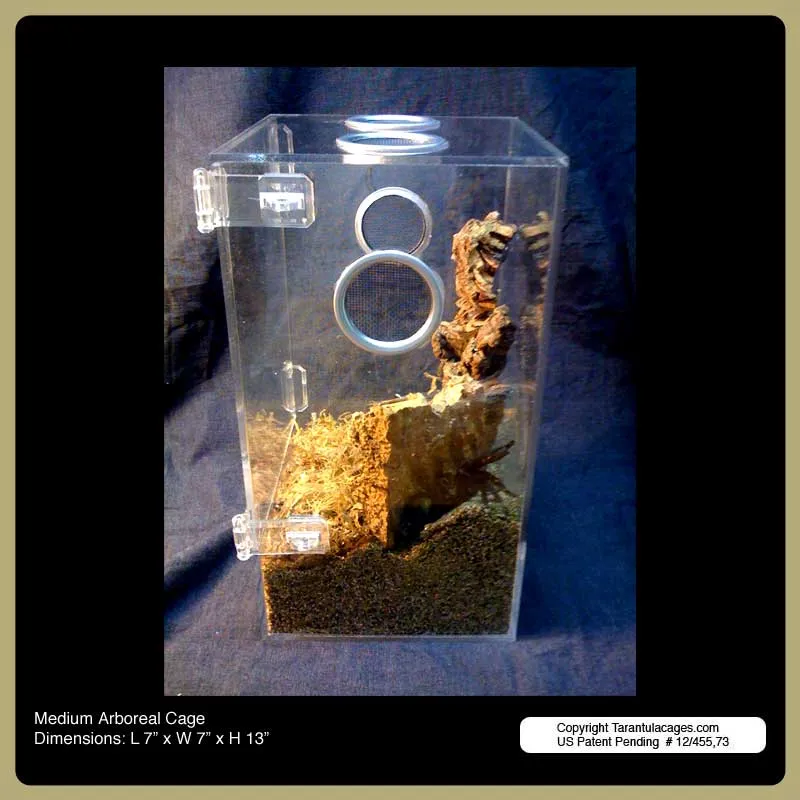
The choice of a wooden tarantula cage should always be tailored to the specific needs of the tarantula species you plan to keep. Different species have varying requirements in terms of humidity, ventilation, and temperature. Arboreal species, which live in trees, may require taller enclosures with more vertical space and increased ventilation. Terrestrial species, those that live on the ground, will generally need wider, shorter enclosures with less ventilation. Some species, like the Chilean Rose, thrive in drier environments, while others, such as the Greenbottle Blue, need high humidity. Researching the specific needs of your tarantula species is essential before making any purchase. Consider the wood type as some woods may be more resistant to moisture and decay, making them ideal for species that require high humidity. Matching the cage design to the tarantula species will guarantee an appropriate and comfortable home for your pet.
Ventilation Requirements
Proper ventilation is crucial for maintaining a healthy environment inside a wooden tarantula cage. Adequate airflow helps regulate humidity, prevent mold growth, and ensure a supply of fresh air. The design of the ventilation system should be appropriate for the specific needs of the tarantula species. For species that require higher humidity, ventilation should be balanced to prevent excessive drying of the enclosure. The placement and size of ventilation openings also play a crucial role. Ventilation is often located near the top of the cage to allow warm, humid air to escape. Some cages incorporate cross-ventilation, with vents on opposite sides of the enclosure to promote better airflow. It is important to avoid placing the cage in direct sunlight or near a heat source, which could compromise ventilation and lead to overheating. Selecting a cage with well-designed ventilation will promote a healthy and comfortable environment for your tarantula.
Substrate Considerations
The choice of substrate plays a vital role in the overall well-being of your tarantula. The substrate is the material that lines the bottom of the cage and provides a surface for your tarantula to live on. When selecting a substrate for a wooden cage, several factors should be considered. The substrate should be capable of absorbing moisture to maintain humidity levels. The texture of the substrate should be suitable for the tarantula species. Some popular substrate choices include coconut fiber, peat moss, and vermiculite. Ensure the substrate is free from pesticides, chemicals, and other harmful substances. Proper substrate depth is also important, with varying depths recommended depending on the size and burrowing behavior of your tarantula species. A well-chosen substrate contributes to a comfortable and enriching environment, allowing your tarantula to express its natural behaviors. The right substrate supports the tarantula’s health, as well as its overall well-being.
Size Matters Choosing the Right Cage Size
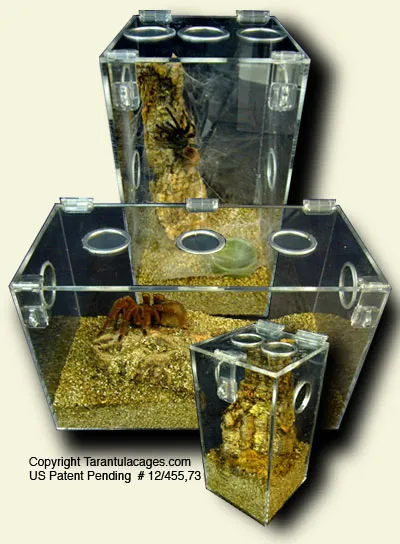
Choosing the right size wooden tarantula cage is a crucial aspect of providing an optimal living environment for your pet. The cage should be large enough to allow your tarantula to move around and express its natural behaviors, but not so large that it feels stressed or overwhelmed. The size of the cage should primarily depend on the tarantula’s size and species. As a general rule, the width of the cage should be at least twice the leg span of the tarantula. Height requirements will vary depending on the species and its natural behaviors. Before purchasing a cage, research the specific needs of your tarantula species. Providing the correct size enclosure ensures a healthy and comfortable environment. If your tarantula is still growing, it’s wise to anticipate its adult size and choose a cage accordingly. An adequately sized cage is important for the overall health and happiness of your tarantula.
Determining Cage Size by Tarantula Size
Determining the appropriate cage size involves a careful assessment of your tarantula’s current size and its growth potential. Start by measuring your tarantula’s leg span, which is the distance from the tip of one leg to the tip of the opposite leg. This measurement is a good indicator of the minimum width needed for the enclosure. For terrestrial tarantulas, the width is more important than the height, while arboreal species need more vertical space for climbing. Consider your tarantula’s burrowing habits and provide adequate substrate depth. Consult care guides or online resources specific to your tarantula species for recommended cage dimensions. Remember that a cage that is too small can restrict movement and lead to stress, while one that is too large may make it difficult for the tarantula to find food or feel secure. A well-sized cage ensures a comfortable environment and promotes healthy behavior.
Cage Dimensions for Different Tarantula Types
The ideal cage dimensions will vary significantly depending on the type of tarantula you own. Terrestrial tarantulas, which live on the ground, typically require a wider enclosure with a moderate height. Arboreal tarantulas, on the other hand, need a taller enclosure to accommodate their climbing habits. Species-specific research is essential for determining the appropriate dimensions. For example, a mature Goliath Birdeater (Theraphosa blondi) may need an enclosure that is significantly larger than a smaller species such as a Cobalt Blue (Cyaneopubescens). Reviewing care sheets and online guides will provide you with precise measurements for your tarantula species. When in doubt, it’s generally better to err on the side of a slightly larger cage, as this will provide more space for your tarantula to move around and express natural behaviors. Providing the right dimensions, will ensure the comfort and well-being of your tarantula.
Cage Features to Look For

When selecting a wooden tarantula cage, certain features can significantly enhance the safety, functionality, and overall appeal of the enclosure. Look for cages with secure lids and locking mechanisms. These are essential to prevent escape and ensure the safety of your tarantula and your household. Consider the ventilation design; it should promote adequate airflow while preventing drafts. Front-opening cages often make it easier to access and maintain the enclosure, which is especially helpful for terrestrial species. Top-opening cages might be more suitable for arboreal species. Examine the materials used in the construction of the cage. Ensure the wood is non-toxic and treated with safe sealants. Consider the overall design, including the presence of features like pre-drilled holes for decorations, or a removable substrate tray for easy cleaning. Selecting a cage with the right features can greatly simplify maintenance and enhance your tarantula’s living environment.
Secure Lids and Locking Mechanisms
A secure lid with a reliable locking mechanism is a fundamental feature of any wooden tarantula cage. Tarantulas are incredibly strong and capable of escaping from enclosures that are not properly secured. A secure lid prevents accidental escapes, protecting both your pet and the environment. Look for cages with lids that fit snugly and are held in place by latches, clips, or other locking mechanisms. Ensure the locking mechanism is robust and not easily manipulated by your tarantula. Consider cages that have multiple locking points for added security. Frequent checking of the lid and locking mechanism is also essential to ensure they are functioning correctly. Regular inspection will prevent potential escapes and provide peace of mind. Prioritizing a secure lid is essential for responsible tarantula ownership.
Front vs Top Opening Cages
The choice between a front-opening and a top-opening wooden tarantula cage depends on your tarantula’s species, its habits, and your personal preferences. Front-opening cages are generally preferred for terrestrial species, as they allow easier access for feeding, watering, and cleaning without disturbing the tarantula’s web or burrow. Top-opening cages may be more suitable for arboreal species, as they can be accessed from above, mirroring their natural habitat. Consider the ease of maintenance. Front-opening cages often make it easier to reach all areas of the enclosure. Top-opening cages may require you to reach down into the enclosure, which could potentially stress your tarantula. Think about your tarantula’s temperament and how it responds to being handled. Choose the opening style that best suits your needs. Careful consideration of these factors ensures a safe and convenient experience for both you and your tarantula.
Aesthetic Considerations

The aesthetic appearance of your wooden tarantula cage can contribute to a more visually appealing and enjoyable pet-keeping experience. Wooden cages naturally blend with a wide range of decor styles, making them an attractive addition to any room. When selecting a cage, consider the wood type and finish. A well-chosen finish can enhance the beauty of the wood while also providing a protective layer against moisture. Think about the overall design of the cage and how it complements your home decor. A natural-looking cage can also create a more enriching environment for your tarantula, providing a visually stimulating space. You can enhance the aesthetic appeal with appropriate substrate and decorations. The aesthetic aspect of your cage adds to the overall enjoyment of owning and caring for your tarantula.
Placement and Decor
The placement and decor of your wooden tarantula cage play a critical role in creating a comfortable and enriching environment for your pet. Choose a location that is away from direct sunlight, drafts, and excessive noise. Consider the humidity and temperature of the area. Place the cage in a spot where the environment is stable. Inside the cage, provide a natural habitat for your tarantula. The substrate is essential. Include hides, such as cork bark or artificial plants, to provide a sense of security. Arrange the decor in a way that mimics the tarantula’s natural habitat. Ensure all decorations are non-toxic and safe for your tarantula. Be mindful of the size and stability of any items you place in the enclosure to prevent injury. Careful consideration of the placement and decor will enhance your tarantula’s well-being.
Creating a Natural Habitat
Creating a natural habitat inside your wooden tarantula cage is a fundamental step toward ensuring your pet’s well-being and happiness. Start with the substrate. Choose a substrate that suits the needs of your species, such as coconut fiber, peat moss, or a mix of materials. Add hides, such as cork bark or artificial caves, where your tarantula can retreat and feel secure. Include climbing structures, such as branches or artificial plants, if your tarantula is an arboreal species. Provide a water dish that is shallow and accessible. Consider adding live or artificial plants to enhance the natural look and feel of the habitat. Avoid using sharp objects that could harm your tarantula. Research the specific requirements of your tarantula species. Creating a naturalistic enclosure will encourage your tarantula to exhibit its natural behaviors.
Maintaining the Wooden Tarantula Cage

Regular maintenance is essential to ensure the long-term health and well-being of your tarantula and to extend the life of your wooden cage. Regular cleaning is a vital part of this process. Remove any uneaten food, shed exoskeletons, and waste regularly to prevent the buildup of mold and bacteria. Regularly check the substrate for moisture levels and replace it as needed. Monitor the humidity and temperature levels inside the cage. Inspect the cage for any signs of damage or wear and tear. You can maintain the condition of the wood and protect it from moisture damage by applying a sealant or protective coating. By following these maintenance practices, you can provide a healthy and safe environment for your tarantula. Maintaining your cage properly will contribute to its long life and ensure your tarantula’s safety.
Cleaning and Maintenance
Cleaning and maintenance of your wooden tarantula cage are crucial tasks that must be performed regularly to provide a healthy and safe living environment for your pet. Remove any uneaten food items, shed exoskeletons, and waste material, usually with tweezers or a small scoop. Regularly clean the water dish, ensuring fresh, clean water is always available. It is also necessary to check and adjust the substrate’s moisture level. The frequency of cleaning will depend on your tarantula’s species and the size of the enclosure. A complete substrate change may be required every few months or annually, depending on the setup. Use a mild, pet-safe cleaner to wipe down the cage’s interior surfaces. Avoid using harsh chemicals or strong detergents. Regular cleaning and maintenance helps prevent the buildup of harmful bacteria. Consistent maintenance is important for maintaining a clean, safe home for your tarantula.
Preventing Mold and Mildew
Preventing the growth of mold and mildew is a critical part of maintaining a healthy environment in your wooden tarantula cage. Mold and mildew can thrive in humid conditions, and they can be harmful to your tarantula’s health. Ensure the cage has adequate ventilation. This will help to regulate the humidity levels. Avoid overwatering or excessively misting the enclosure, as this can lead to a build-up of moisture. Inspect the cage regularly for any signs of mold or mildew. Use a pet-safe cleaner to clean the surfaces. If mold or mildew is detected, remove it immediately and address the source of the moisture. Keep the substrate clean and replace it as needed. Consider using a substrate that is resistant to mold. By taking proactive measures to prevent mold and mildew, you can ensure your tarantula’s health.
Common Issues and Solutions

Tarantula keepers may encounter several common issues when using a wooden cage. Understanding these problems and how to address them is essential. One common problem is maintaining the appropriate humidity levels. To combat this, ensure adequate ventilation and choose a substrate that retains moisture. Another potential issue is the growth of mold or mildew. Regular cleaning and maintenance, along with proper ventilation, will reduce the risk. Escape attempts can also be an issue. Ensure the lid is secure and the locking mechanisms are functioning correctly. Sometimes, tarantulas may not eat, which could be due to stress, improper temperatures, or illness. Monitor the enclosure’s temperature, humidity, and overall environment. The ability to recognize and solve these common issues is important. Quickly addressing problems will contribute to the health and safety of your tarantula.
Addressing Humidity Problems
Maintaining the correct humidity levels is crucial to the well-being of your tarantula. Low humidity can cause molting problems, while high humidity can lead to mold growth and other health issues. Monitor the humidity levels with a hygrometer. If the humidity is too low, increase it by misting the enclosure with water or adding a water dish. For species that require higher humidity levels, ensure the substrate is moist but not saturated. If the humidity is too high, improve ventilation by adjusting the vents. A well-designed wooden cage will contribute to humidity regulation. Regular observation and adjustment of humidity levels are essential for your tarantula’s comfort and health. Always monitor your tarantula’s behavior, as it can be an indicator of the environmental conditions.
Dealing with Escape Attempts
Dealing with escape attempts is a serious concern for tarantula keepers. Tarantulas are capable of squeezing through small openings. Ensure the lid of your wooden cage fits securely and is equipped with a reliable locking mechanism. Check the cage for any gaps or openings. Inspect the cage regularly. Never place the cage near areas where a tarantula could potentially escape and find shelter. If your tarantula does escape, remain calm. Search for it carefully in the immediate area. Use a container to safely capture the tarantula. Preventative measures are crucial to avoid escape attempts. A secure cage, regular checks, and responsible pet-keeping practices will minimize the risk of escapes and keep your tarantula safe and sound.
Choosing a wooden tarantula cage is a significant decision that requires careful consideration of your tarantula’s specific needs. By understanding the benefits, features, and maintenance requirements of these cages, you can create a safe, comfortable, and visually appealing habitat for your eight-legged friend. Proper care will not only enhance your tarantula’s well-being but also create a more enjoyable pet-keeping experience. With the right wooden cage and diligent care, you can provide your tarantula with a long and healthy life.